Author: Mu Zi Zhuang Zhu
Source of the article: Molecular Manor
Nucleic acids, as a type of biological macromolecule, can stably disperse and not precipitate in aqueous solutions due to the existence of three non-covalent forces:Electrostatic interaction, van der Waals forces, hydrogen bonds.
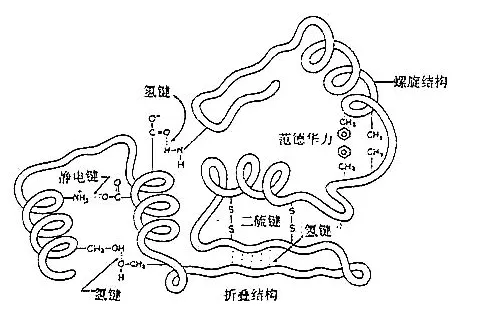
Nucleic acid molecules have multiple phosphate groups and are highly negatively charged. The molecules repel each other, thus preventing agglomeration.
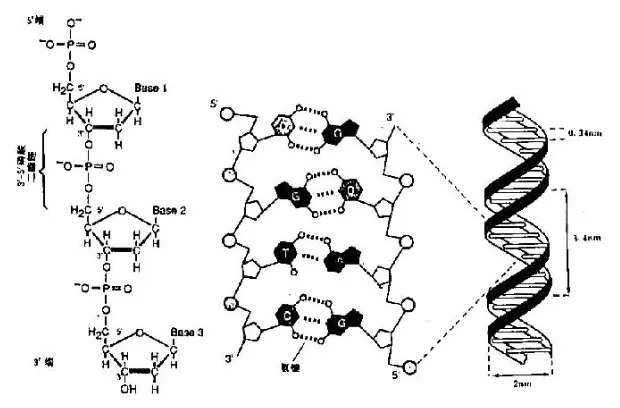
In addition, nucleic acid molecules in aqueous solution combine with a large number of water molecules around them through hydrogen bonds and van der Waals forces, forming a hydration layer, which also prevents the aggregation of molecules.
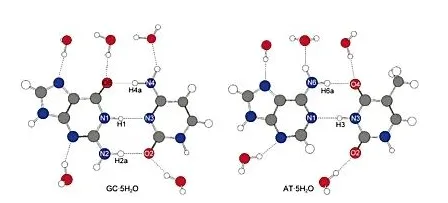
Therefore, in order for nucleic acid molecules to bind to the surface of magnetic beads, it is necessary to weaken the above-mentioned forces, shield the electrostatic repulsion in the solution, and at the same time destroy the hydration layer on the surface of nucleic acid molecules so that they can come into contact with the surface of magnetic beads, thereby generating adsorption.
Magnetic beads are added to the cracked mixture. When the liquid environment is slightly acidic (PH5.0), the free DNA molecules are adsorbed onto the magnetic beads. Adding a slightly alkaline (PH8.0) TE buffer solution to the washed magnetic beads can separate the magnetic beads from the DNA, thereby obtaining a pure DNA solution.
1. Types of magnetic beads for extraction
Hydroxyl-modified magnetic beads
The surface of hydroxyl magnetic beads is modified with a large number of silanol groups (hydroxyl groups), which can specifically adsorb nucleic acids in the solution through hydrophobic interaction, hydrogen bonding interaction and electrostatic interaction under high salt and low pH conditions, without combining with other impurities (such as proteins).
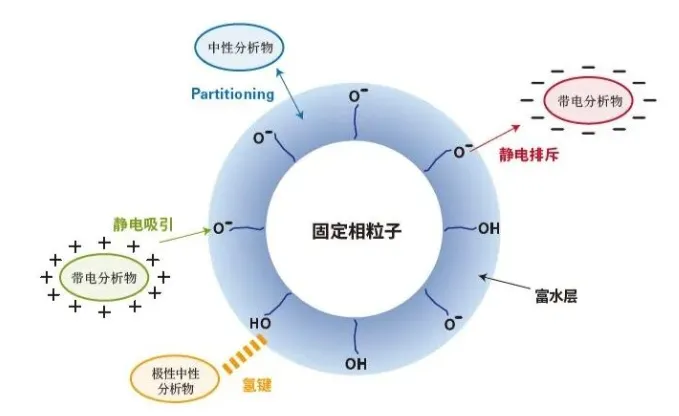
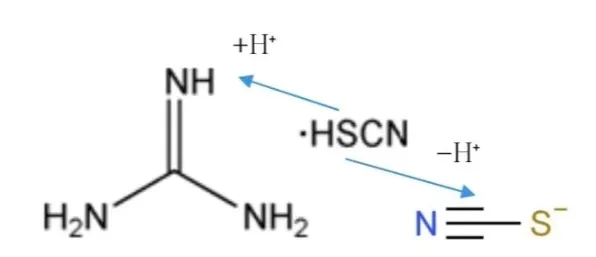
When extracting nucleic acids using silanol magnetic beads, high concentrations of liquid salts (such as NaI (sodium iodide), NaClO₄ (sodium perchlorate), GuHCl (guanidine hydrochloride), GuSCN (guanidine isothiocyanate), etc.) are usually required. High concentration of salt ions can effectively shield the electrostatic repulsion in the solution.
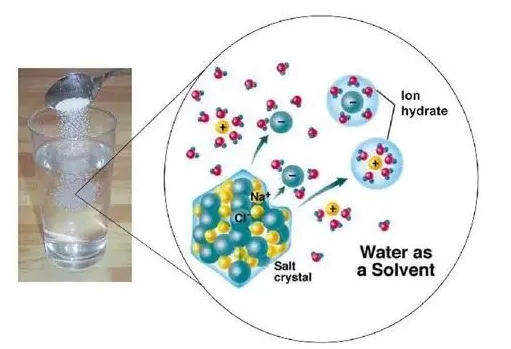
Meanwhile, the liquid salt ions can also competitively combine with the surface of the magnetic beads and nucleic acid molecules, destroying the original hydration layers on their surfaces and promoting the adsorption between the surface of the magnetic beads and nucleic acid molecules.
Knowledge Post: The Action of Liquid salts
When ions dissolve in water, they interact with water molecules to form hydrated ions. The formation of this hydrated ion is due to the interaction between the polarity of water molecules and the charge of the ion.
Since commonly used liquid salts such as guanidine ions ([CH₆N₃]⁺) have inhibitory effects on PCR, they must be removed in the subsequent washing steps.
Knowledge Post: Guanidine, Guanidine Salt, Guanidine Hydrochloride, Guanidine isothiocyanate
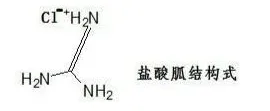
A. Guanidine is a nitrogen-containing organic compound, also known as "imiuret", which is a highly hygroscopic colorless crystal and readily soluble in water. Guanidine is a very strong monoprotic base, with a alkalinity similar to that of sodium hydroxide. It can absorb carbon dioxide in the air to form guanidine carbonate salts.
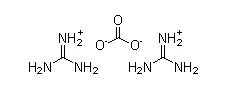
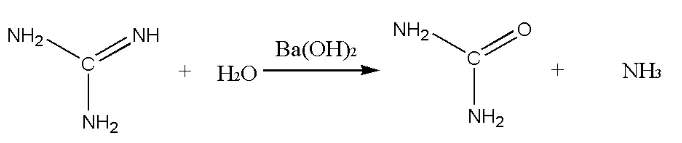
Guanidine can form salts with acids. Its conjugate acid, the guanidine salt cation (or guanium), is [CH₆N₃]⁺, with a pKa of 14.5.Guanidine is unstable under alkaline conditions and is prone to hydrolysis into ammonia and urea. It is relatively stable under acidic conditions, so it is generally made into its salt for preservation.
Finally, the nucleic acid was eluted from the magnetic beads under conditions of low salt and high pH.
2) Carboxyl-modified magnetic beads
a. Classification
I. Silicon oxide carboxyl magnetic beads
Ii. Polymer carboxyl magnetic beads
b. Adsorption principle
Under appropriate ionic strength and pH conditions, negatively charged carboxyl groups can form electrostatic interactions with the phosphate skeleton of nucleic acids.
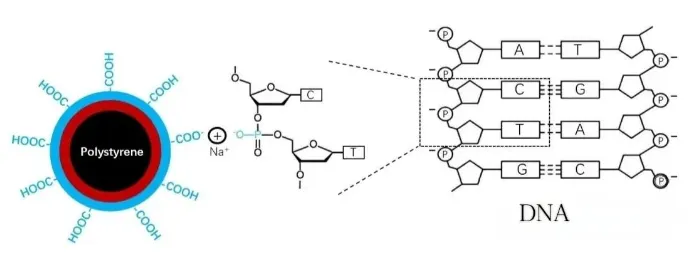
Common nucleic acid extraction binding solutions, such as Si-OH magnetic beads and Si-COOH, can all effectively adsorb nucleic acids. Generally speaking, in the liquid salt system, Si-OH magnetic beads have a relatively better adsorption effect on nucleic acids. In the PEG system, Si-COOH has a relatively good adsorption effect on DNA and RNA.
| High salt content is different | Guanidine isothiocyanate >2M, with a DNA recovery rate as high as 80%. |
| Alcohols are heterogeneous | The DNA/RNA recovery rate of 2M guanidine hydrochloride/isopropanol (30%) was as high as 85%. |
| Polyethylene glycol mesomers | The recovery rate of DNA/RNA is as high as 85%. |
Magnetic beads of different sizes have significant differences in suspension. The smaller the size, the better the suspension performance, but the magnetic response will weaken. It is generally used for small samples with low nucleic acid content. Magnetic beads with good suspension performance are more effective.
3) Magnetic beads with positive charges such as amino/imidazole groups
The isoelectric point of amino (NH₃) is approximately 9.5 to 9.9. When the pH value of the solution is less than 9.5, the surface charge of amino magnetic beads is positive.
Amino-modified magnetic beads (isoelectric point pH9.6) carry a positive charge under acidic conditions and can combine with the negative charge of nucleic acids (isoelectric point pH4.0) through electrostatic, hydrogen bond and other interactions.
Amino magnetic beads have a strong binding ability with DNA, making them highly suitable for the enrichment and separation of nucleic acids in complex samples. However, due to their strong binding ability, the conditions for the release of nucleic acids from the surface of the magnetic beads are rather strict. If DNA dissociation is required, the pH of the elution buffer is recommended to be above 10.
a. Adsorption
Unlike hydroxyl magnetic beads, amino magnetic beads with a positively charged surface have relatively simple binding conditions with DNA. When the pH is between 5.0 and 8.0 and in a salt ion solution of an appropriate concentration, it is more conducive to the adsorption of DNA by amino magnetic beads.
Under certain pH conditions, the more amino groups there are on the surface of magnetic particles, the more DNA is adsorbed.
b. Elution
Increasing the pH of the solution can cause DNA to be removed from the amino magnetic beadsSurface desorption. In addition, phosphate ions and high-concentration NaCl (2-3M) also have the same effect.
PEG modification can reduce non-specific adsorption and improve the purity of nucleic acids. For instance, when handling blood samples, this kind of magnetic bead can solve the problem of hemoglobin interference.
2. Magnetic beads and silica gel columns
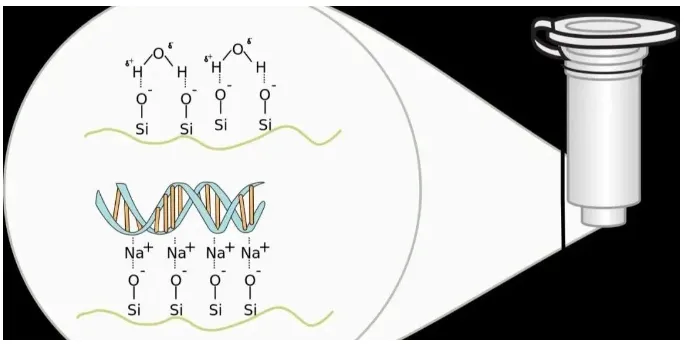
The principle of DNA recovery in silica gel columns is similar to that of magnetic beads. The difference is that in most centrifugation columns, the layer that adsorbs DNA is a silica gel membrane, which is actually a layer of glass fiber. Its surface has a large number of modified silanol groups (Si-OH). After the silanol groups dissociate in the solution, they also carry a negative charge and then form Bridges with positively charged salt ions and negatively charged DNA, thereby adsorbing DNA.
References
[1] Decoding the Surface Chemistry of Magnetic Beads: How It Affects the Effect of Nucleic Acid Extraction - Old Wang from the Department of Life Sciences
[2] Carboxyl magnetic bead supplier - Shanghai Yipurui Bio
[3] In the magnetic bead method for nucleic acid DNA extraction, carboxyl and hydroxyl magnetic beads are commonly used. Are there any differences between the two? - Clove experiment
[4] The Usage principles of Three Common Types of magnetic Beads - Jianshu
[5] Nucleic Acid Knowledge Series (Part 3) : RNA, DNA, Guanidine Hydrochloride, Nucleic Acid, Ethanol, Concentration - Health World
[6] A method for the preparation of nucleic acid extraction lysis/binding solution, nucleic acid extraction solution system and kit
[7A Comprehensive Guide to Nucleic Acid Extraction by Magnetic Bead Method - Hubei Xinzongke
[8] NGS: A Comprehensive Guide to Magnetic Bead Nucleic Acid Extraction - Health Watch Corner
0756-8699969
Address: No. 88, Shuian 1st Road, Xiangzhou District, Zhuhai City, Guangdong Province
Email: marketing@biori.com
Wechat official account |
Product consultation |
Join us |
Video Account |