
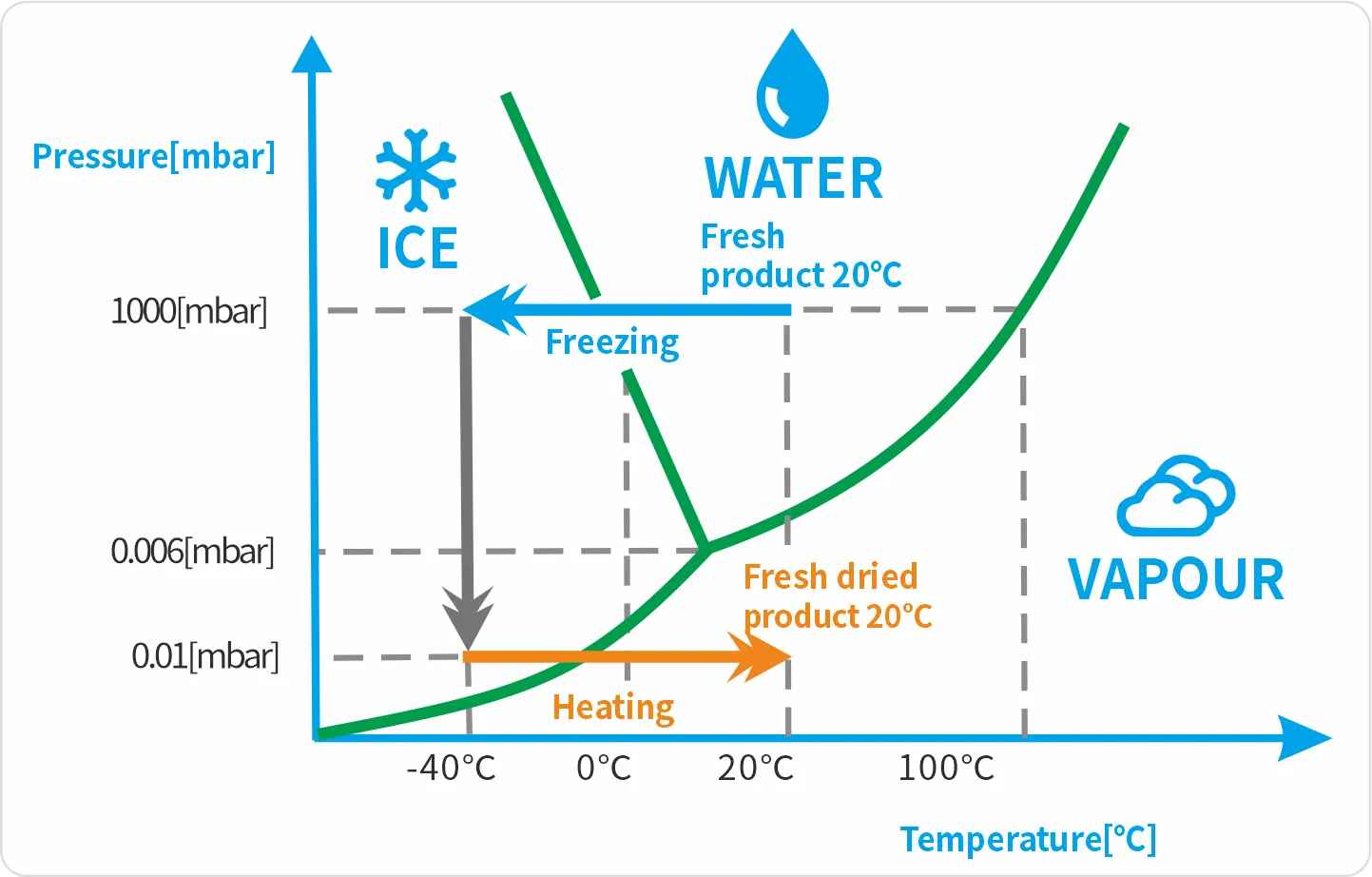
Why is freeze-drying protective agent needed
Unlike freeze-dried products such as food or pet snacks, which often only require the removal of moisture for better storage and transportation; Conventional in vitro diagnostic test reagents contain bioactive components (such as various enzymes and protein additives, etc.). Besides meeting the transportation requirements, it is also necessary to ensure that they can still function normally after freeze-drying and reconstitution, and their functions can remain basically the same as those of the liquid reagents before freeze-drying.
However, throughout the freeze-drying process, there are many stresses, including low-temperature stress, freezing stress (formation of dendritic ice crystals, increase in ionic strength, change in pH value, phase separation, etc.), and drying stress (loss of water molecules on the protein surface), etc. These stresses often directly or indirectly cause active components such as proteins to lose their natural conformations, resulting in denaturation or inactivation. At this point, freeze-drying protectants are needed to protect these active components.
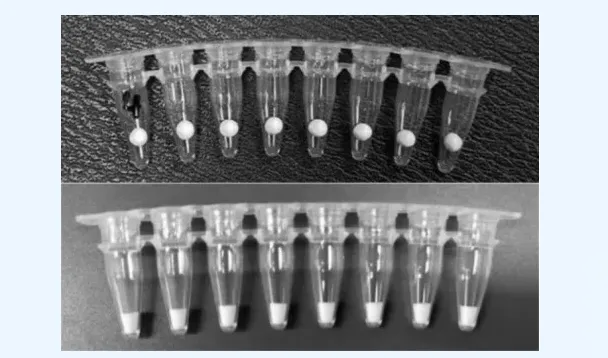
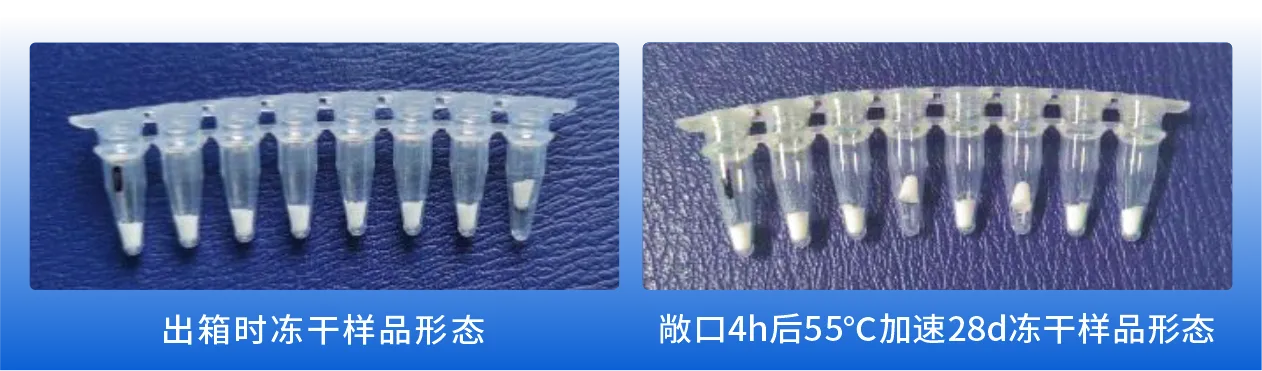
Apart from functionality, whether the form after freeze-drying is normalIt is also one of the indicators of successful freeze-drying
The principle of protein protection by freeze-drying protectants has been studied and discussed for decades. Although no unified theory has been formed, there are still some generally accepted understandings. The protective effect of freeze-drying protectants on proteins during the freezing and drying stages of the freeze-drying process is different in principle.
Priority effect
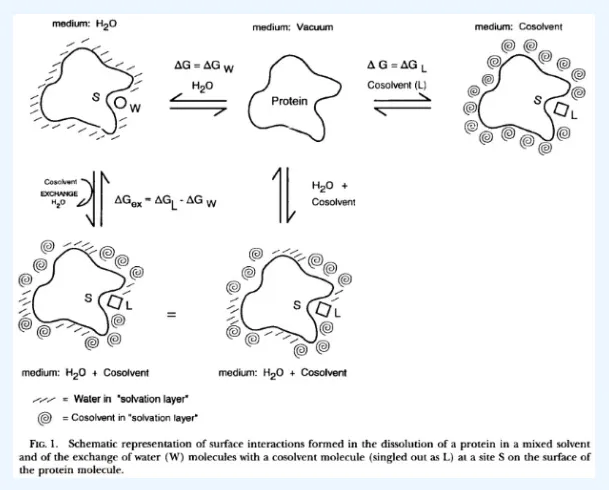
During the freezing stage, the main hypothesis is "priorification", that is, there is a hydrated layer around the protein, which can maintain the stability of its properties and conformation. Among them, there are two priorities, "preferred hydration" and "preferred rejection".
Before reaching the maximum frozen concentration, the protein solution preferentially interacts with water and repels the protective agent molecules. The chemical potential of the protein increases, and there are more water molecules on the surface. After the protective agent is added, it may have non-specific interactions with the protein surface or individual amino acids, peptide main chains and other sites, and preferentially enter the solution from the protein surface, protecting its natural conformation.
Vitrification
There are mainly two hypotheses in the drying stage, namely "vitrification" and "water displacement".
Vitrification refers to a state in which substances exist in an amorphous form, with extremely high viscosity and the properties of a liquid. However, due to the high viscosity, molecular movement is restricted and fluidity is poor. The glass transition state is closely related to temperature. The temperature at which the glass transition occurs when the solution concentration reaches the maximum frozen concentration state is called the glass transition temperature (Tg).
During the freeze-drying process, if the temperature exceeds the Tg of the product, the viscosity of the product will rapidly decrease, the surface will shrink, the microstructure will be damaged, and collapse will occur. The basis of the vitrification state-protected protein theory is to fix proteins in a rigid, amorphous glass sugar matrix, which slows down the molecular conformational transition and conformational relaxation, thereby maintaining the structure and function of the molecules.
During the freeze-drying process, the protective agent in the protein solution interacts with multiple amino, hydroxyl and carboxyl groups in the protein molecule, increasing the glass transition temperature of the frozen mixture and significantly enhancing the stability of the protein.
Water replacement/water substitution
The water displacement theory refers to the fact that during the drying process, protective agents form hydrogen bonds with proteins, thereby replacing the hydrogen bonds between water and proteins. This protects the connection sites of hydrogen bonds from being directly exposed to the surrounding environment, and through this alternative hydrogen bond, the natural conformation of proteins is maintained.
In the past, many researchers agreed with the "water displacement" hypothesis. However, Grasmei-jer et al. found that during the storage of freeze-dried protein preparations, as long as there is a sufficiently high glass transition temperature, that is, when Tg is 10 to 20 ° C higher than the storage temperature, water displacement is the main stabilizing mechanism; However, when the storage temperature approaches or exceeds Tg, glass transition becomes a limiting factor for stability. This indicates that the protection of proteins by protective agents is a complex issue, and there is no unified theory that can fully explain it. The stabilization mechanisms of proteins in various processes cannot be solved by a single hypothesis.
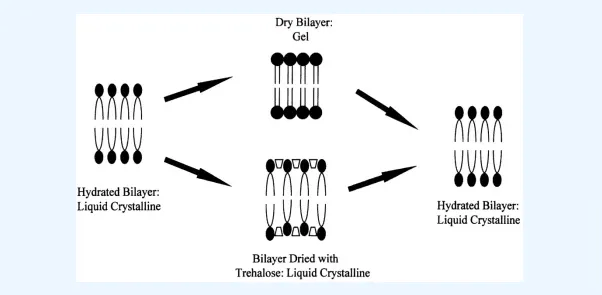
The maintenance effect of trehalose on structure in a dehydrated state
Classification of conventional freeze-drying protective agents
Regardless of the hypothesis, the principle that should be followed for freeze-drying protectants is basically the same: preventing the denaturation of active components.
Freeze-dried protective agents can be classified by function, including five categories:
① pH buffers, such as Tris, histidine, citric acid, etc.
② Ligands can optimize the thermodynamic stability of proteins;
③ Stabilizers, typically disaccharides such as sucrose and trehalose, can provide protection by inhibiting protein unfolding and offering a glass-like matrix.
④ Nonionic surfactants can reduce the aggregation of proteins;
Fillers, such as mannitol, glycine, hydroxyethyl starch, serum albumin, etc., can improve the physical formability of the product. When the total solid content of freeze-dried materials is less than 2%, fillers are usually added to them.
The advantages and disadvantages of conventional freeze-drying protectants Advantages
The composition of the protective agent does not affect the pcr reaction itself or avoids the inhibition of the reaction system to the greatest extent.
2. As a solid agent, the protective agent does not collapse during sublimation, protecting the enzyme activity while ensuring the shape of the freeze-dried product.
The freeze-dried product has a dry, loose and porous structure, which shortens the resolubility process time.
4. After freeze-drying and vacuum storage, it can be kept for a long time at room temperature.
Disadvantage
The compatibility of the protective agent is insufficient, which can easily lead to freeze-drying failure when dealing with complex systems or in the presence of low Tg components.
2. Due to its loose and porous structure, while resolubility is rapid, it is also prone to quick moisture absorption, which can lead to the loss of activity of the active ingredients.
3. The components are relatively single, making it difficult to take into account all the evaluation indicators. For instance, the shape of the product leaving the box is normal, but it is prone to shrinkage when subjected to pressure tests at 37℃ or 45℃ or even higher temperatures.
The proposal of anti-hygroscopic freeze-drying protective agents
Most of the above-mentioned shortcomings are focused on the breakthroughs in functional verification, but an important issue is often overlooked, which is the highly hygroscopic feature brought by the freeze-dried structure.Traditional freeze-dried pharmaceutical biological products are mainly freeze-dried in vials. After the freeze-drying is completed, the initial sealing of the vials is achieved by the lifting and lowering of the freeze dryer's plate layers, and then they are taken out of the warehouse and transferred to a low-humidity workshop for secondary sealing. However, for molecular diagnostic reagents, their freeze-drying containers are often PCR tubes, 8-strip tubes, 96-well plates, etc., which are non-traditional standard containers for freeze-drying. This further raises the threshold for automatic stopping and often requires manual capping and sealing after removal from the warehouse. If the reaction reagents are prepared into freeze-dried balls, a portioning operation after freeze-drying and removal from the chamber is required. The freeze-dried balls should be portioned into the detection containers and sealed with a lid. Therefore, for these products that cannot be capped in the freeze dryer, the capping process should be carried out in a low-temperature and low-humidity environment (typically with a humidity requirement of 10% or lower) when they are taken out of the warehouse, repackaged, and capped.
To meet such requirements, it is necessary to control the humidity and temperature throughout the entire workshop. Such extreme temperature and humidity control will cause significant energy consumption. Either customize isolation covers or glove boxes, etc., and reduce humidity by passing high-purity inert gas through the isolation covers or glove boxes. However, performing operations such as sub-packaging and capping through thick gloves will greatly reduce production efficiency. Moreover, when the output is high, more manpower is needed. If there are not enough personnel, the speed of closing the LIDS will be slow. The time that the same batch of dried preparations is in contact with the air will be different, causing differences. Moreover, if they are exposed to the air for a long time, they are prone to absorbing moisture and rehydration, which greatly affects the quality of the products.Therefore, the lower the water content in freeze-dried products, the higher their stability. However, the level of water content also directly affects the cost of freeze-drying.
Therefore, taking these factors into account, a requirement has been put forward: Could a freeze-drying protective agent be developed that not only inherits the advantages of conventional protective agents but also, after being left open for a period of time under certain humidity conditions and then encapsulated, simulate the scenario of long-term repackaging, still provide a certain guarantee for the preservation of subsequent freeze-dried products?
Biori
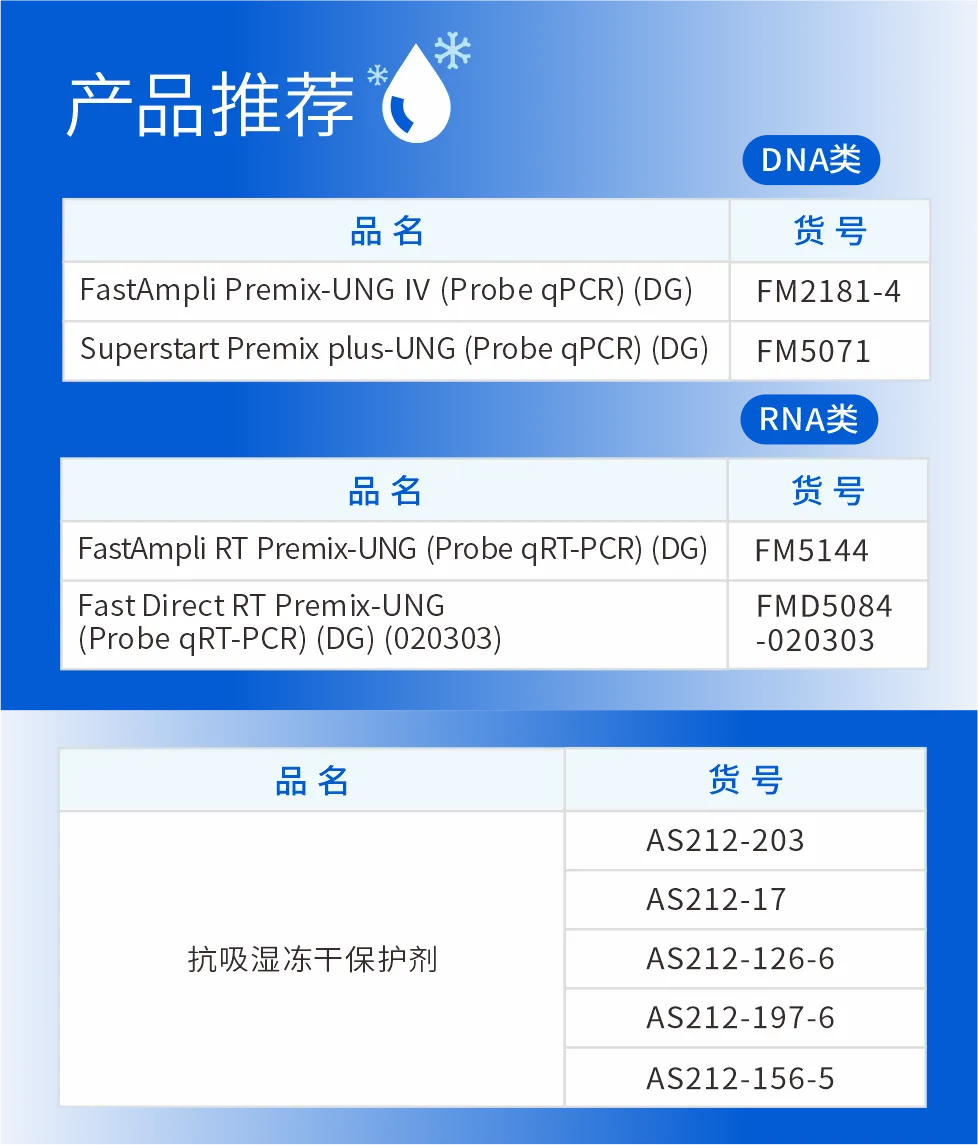
Baorui Biological Anti-Moisture Protective Agent
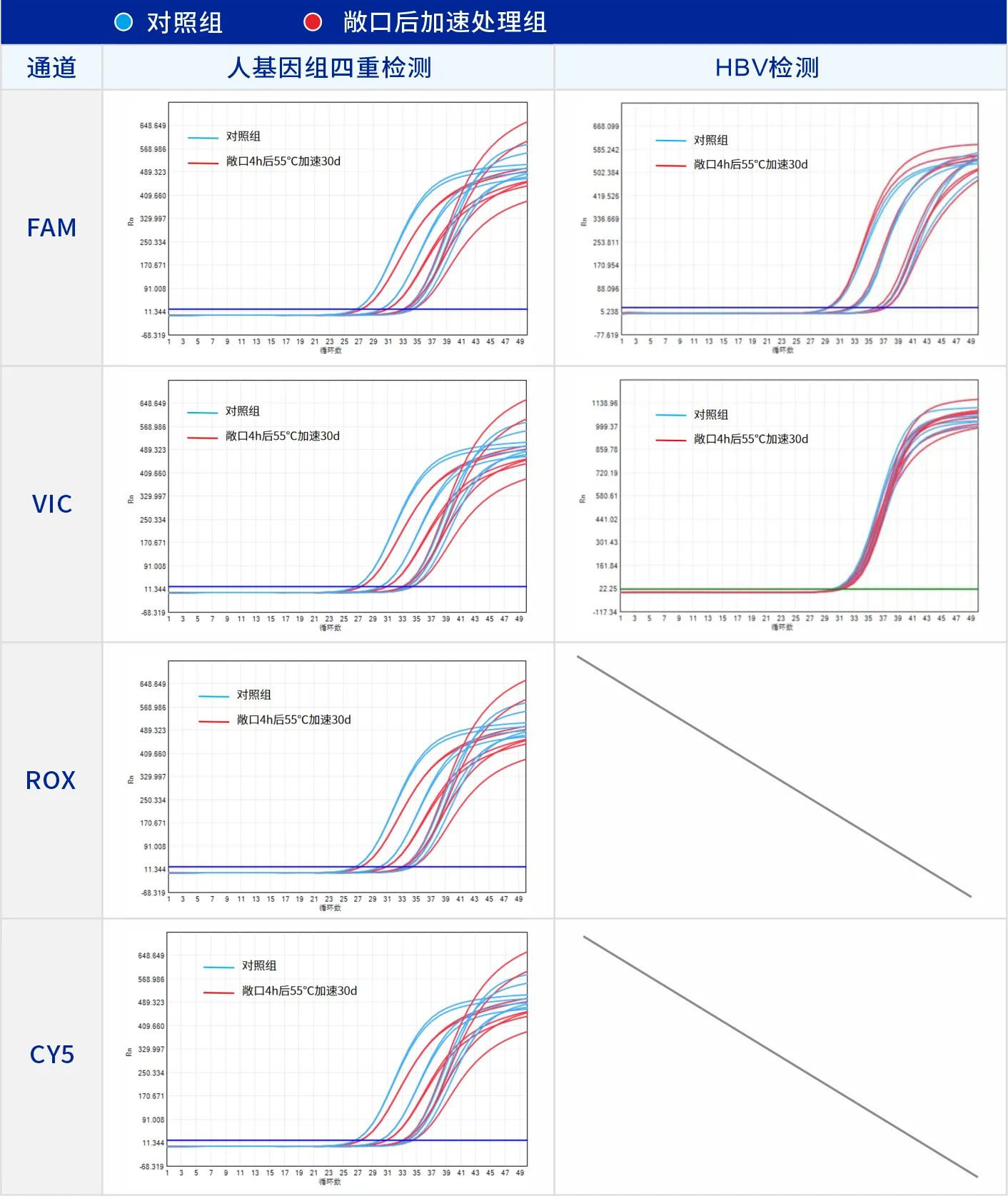
Baorui Biology has developed a new anti-hygroscopic freeze-drying protective agent by readjusting and researching the formula of the freeze-drying protective agent. The freeze-dried products combined with the new anti-hygroscopic freeze-drying protective agent are left open at room temperature with a humidity of 20-25% for 4 hours and then vacuum-packed with a lid.
The freeze-dried products treated above were accelerated at 55℃ for 30 days. The morphology remained normal and the amplification performance under different detection systems could still be basically consistent with that of the liquid control group.
Note
The control group consisted of liquid reagents without freeze-drying protective agents.
2. Open 4-hour accelerated group: It refers to the samples that are left open for 4 hours at 25℃ and 20-25% humidity, then covered with the lid, placed in an aluminum foil bag, vacuum-sealed and packaged, and finally accelerated in an oven at 55℃.
Biori
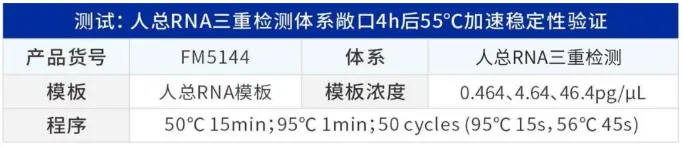
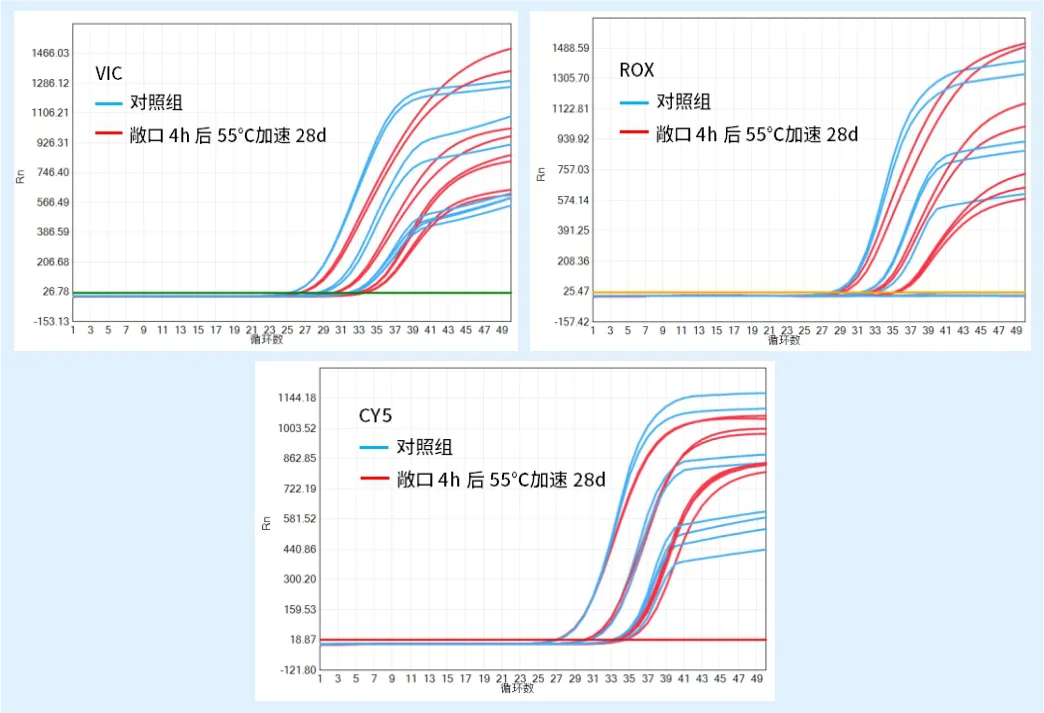
Note: The control group consisted of liquid reagents without the addition of freeze-drying protective agents

Product consultation
All PCR/ constant temperature detection raw materials of Baorui Biology support freeze-drying formulas
0756-8699969
Address: No. 88, Shuian 1st Road, Xiangzhou District, Zhuhai City, Guangdong Province
Email: marketing@biori.com
Wechat official account |
Product consultation |
Join us |
Video Account |