Since the emergence of autofluorescence quantitative PCR technology, it has been rapidly applied in clinical, food and environmental detection due to its high specificity, high sensitivity, quantification ability and direct reading of results, especially playing an important role in pathogen detection. However, the traditional fluorescence quantitative PCR method requires professional equipment, takes a long time, and has high demands on the experimental environment and operators, making it difficult to meet the needs of modern rapid nucleic acid testing.
In COVID-19 testing, antigen testing has been widely used in many countries due to its advantages such as simplicity, ease of use, self-interpretation, and low cost. However, compared with nucleic acid testing, the main drawback of antigen testing is its relatively low sensitivity, and there is a possibility of missing the detection of individuals with low viral loads.
Isothermal amplification methods can make up for the deficiencies of qPCR and antigen detection methods. Samples can rapidly complete amplification reactions at a single temperature, significantly reducing the requirements for equipment, shortening the detection time, and better meeting the requirements of rapid nucleic acid testing.
Baorui Biotechnology has obtained Bst2.0 through a high-throughput screening platform. This enzyme has been highly praised by customers for its excellent sensitivity and anti-inhibition performance. Meanwhile, through the research and development of the protein modification technology platform, it has taken the lead in launching the hot-start version of the domestic Bst enzyme, BST2.0HS, further enhancing the specificity and sensitivity of LAMP reagents. Based on this, Baorui Biology has developed a series of productsVisual method, fluorescent dye method, probe method, etcAll kinds of LAMPS and RT-LAMP isothermal amplification reagent. All the above raw materials can be provided with corresponding freeze-drying version products.

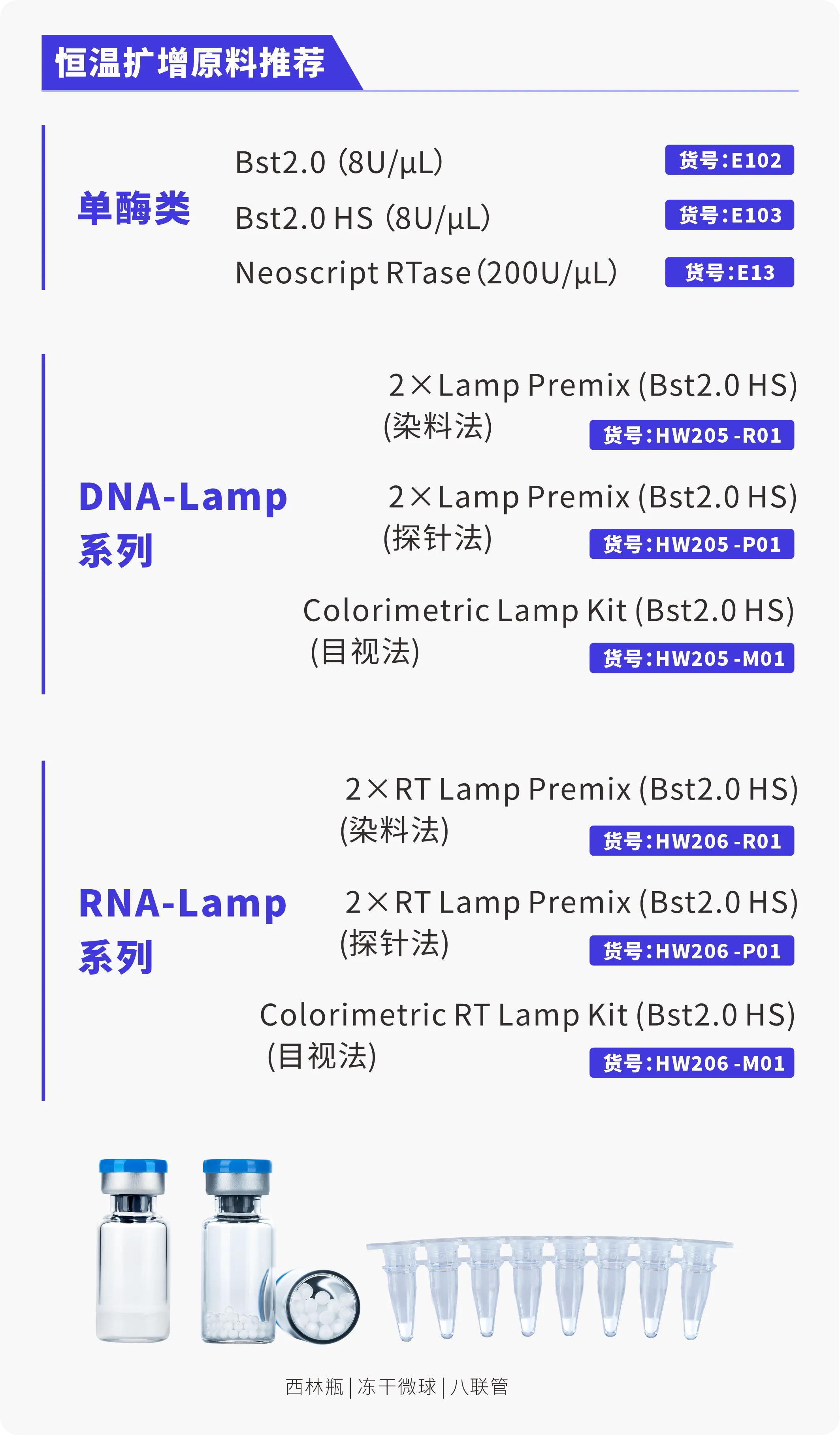

In response to the common non-specificity issue of LAMP, Baorui Biotechnology has developed Bst 2.0HS DNA polymerase, which can perfectly replace imported products.
Bst 2.0HS is a hot-start isothermal polymerase obtained by using reversible modification technology based on Bst 2.0 DNA polymerase. It can completely block the enzyme's activity at room temperature, establish reactions at room temperature, prevent non-specific amplification, and improve reaction efficiency. In addition, Bst 2.0HS DNA polymerase does not require a separate activation step.

1.1 Specific Detection

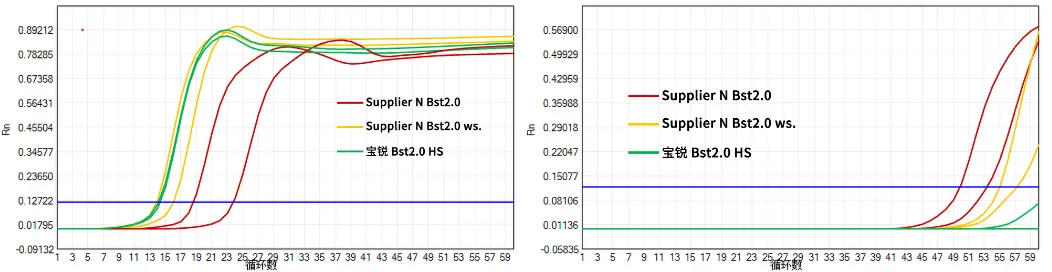
The Baorui BST 2.0HS can perfectly replace imported products.Baorui Bst 2.0HS can achieve the same specificity as competing products and is superior to conventional BST enzymes.
1.2Stability test at room temperature

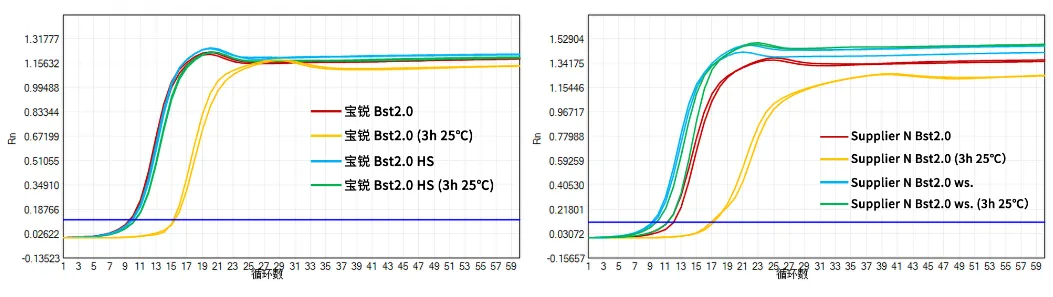
The Baorui Bst2.0 can operate at room temperature.
Experiments show that after adding the template to prepare the fully mixed reaction system, under two conditions of incubation at 25 degrees for 3 hours (green) and immediate reaction after preparation (blue), the Bst2.0HS of Baorui is compared with the imported control Bst2.0ws. With the same reaction characteristics, the reaction performance of the Bst enzyme chamber without thermal start modification declined after 3 hours of warm bath. The Bst enzyme with thermal start modification could have the same performance as the one prepared immediately, effectively maintaining the stability of the reaction performance.

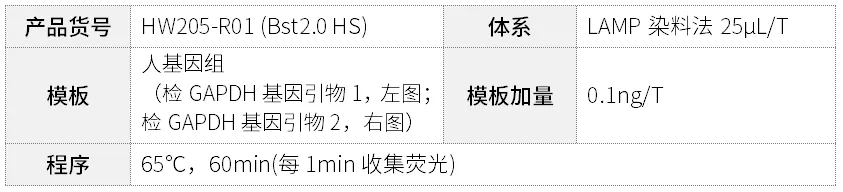
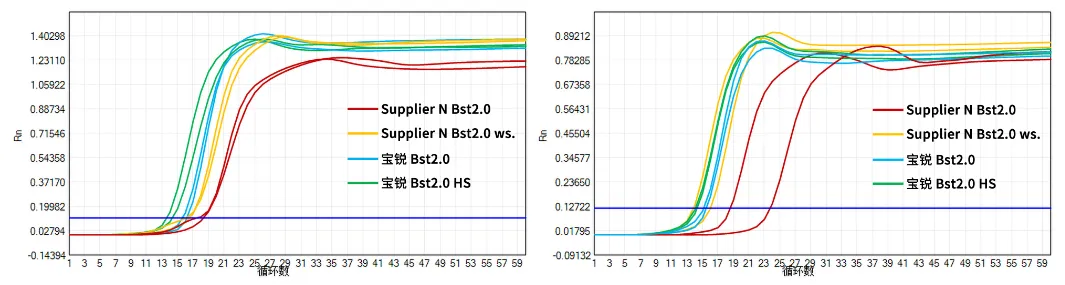
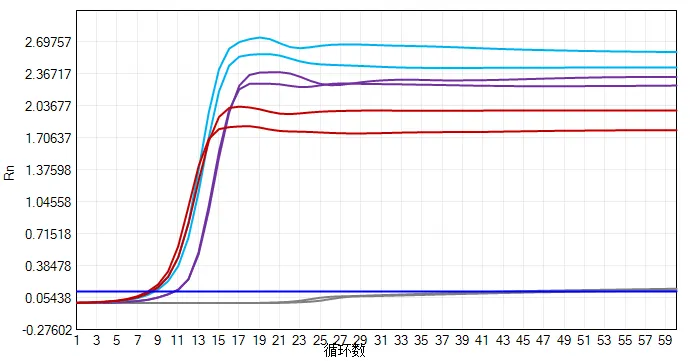
2.1 Performance Comparison of DNA Purification Templates
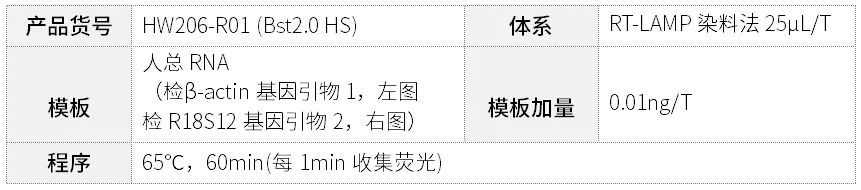
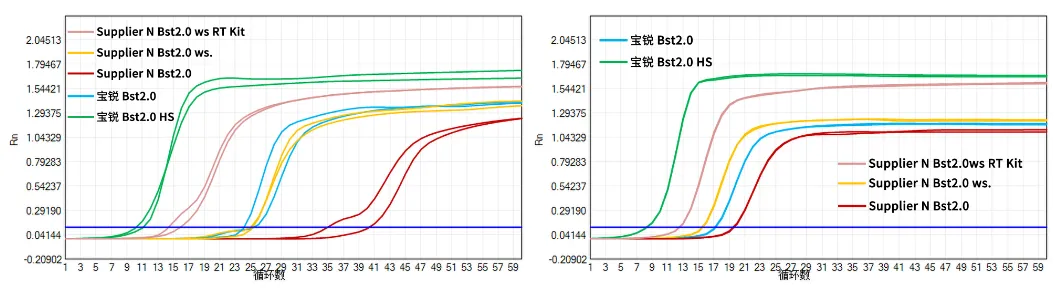
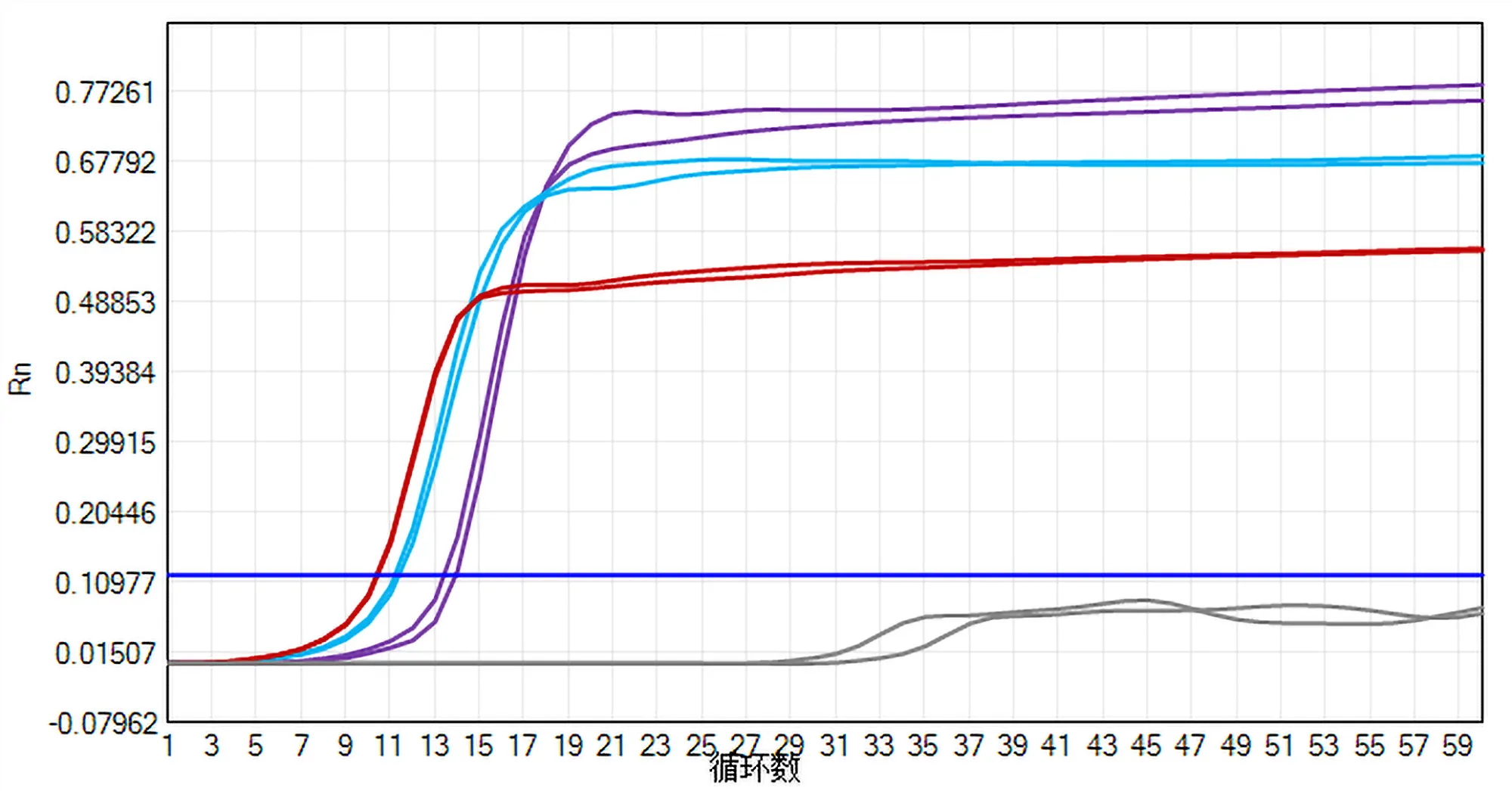
2.2 Performance Comparison of RNA Purification Templates

3.1 Direct diffusion performance in Whole blood (dye method, RNA detection)

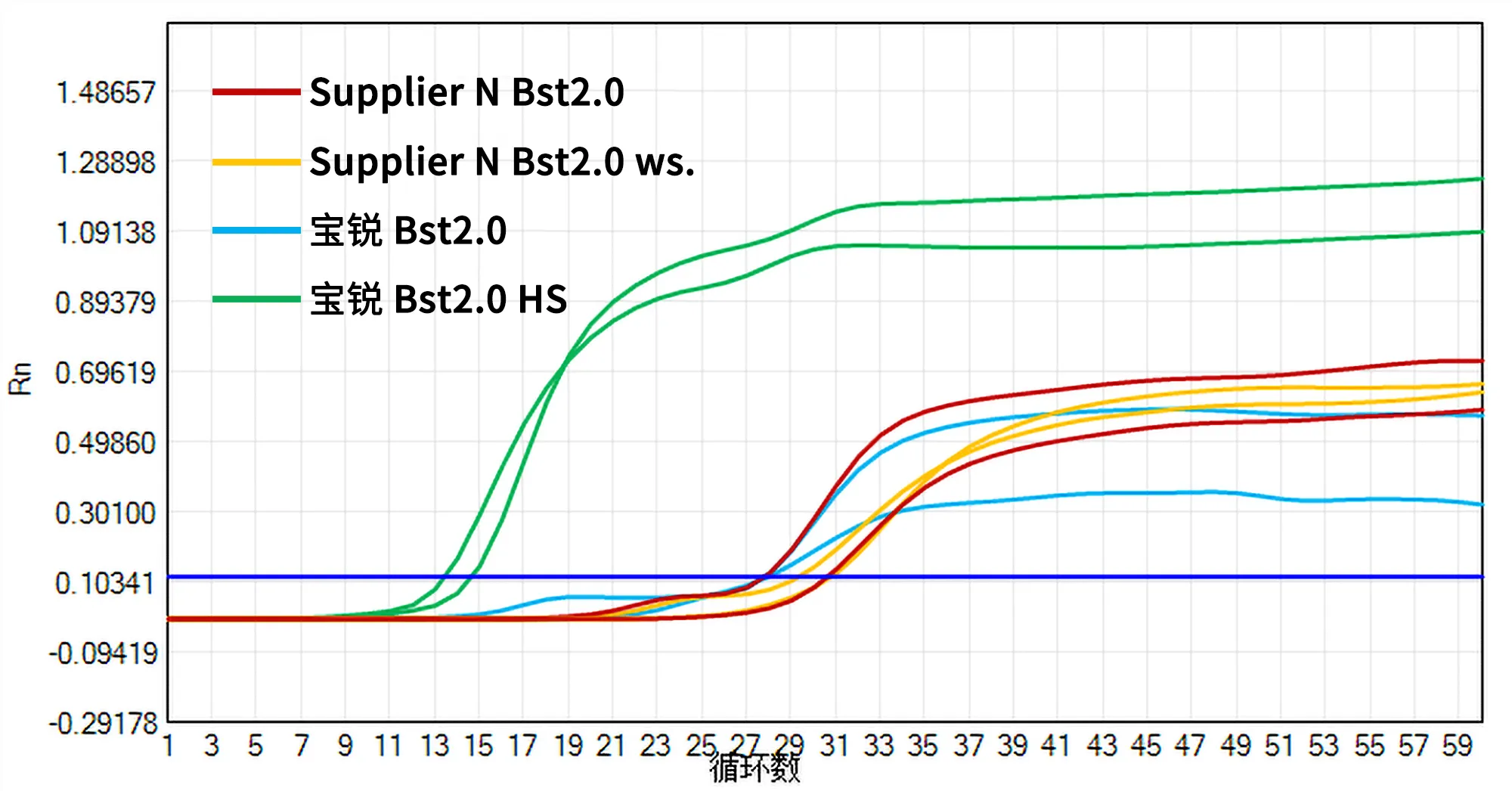
3.2 Direct expansion Performance of Oral Swabs (Dye method, RNA detection)

Oral swab sampling method:
withHold the handle of the sampling swab with your hand (be careful not to touch the sampling head with your hand or other objects), insert it into one side of your mouth (touch the inside of your cheek), and rub it up and down 15 times with the force of brushing your teeth. Repeat this action on the other side. Put the swab into a solution containing 1mL of TE Buffer, stir 10 times, discard the swab, and the swab solution will be obtained。
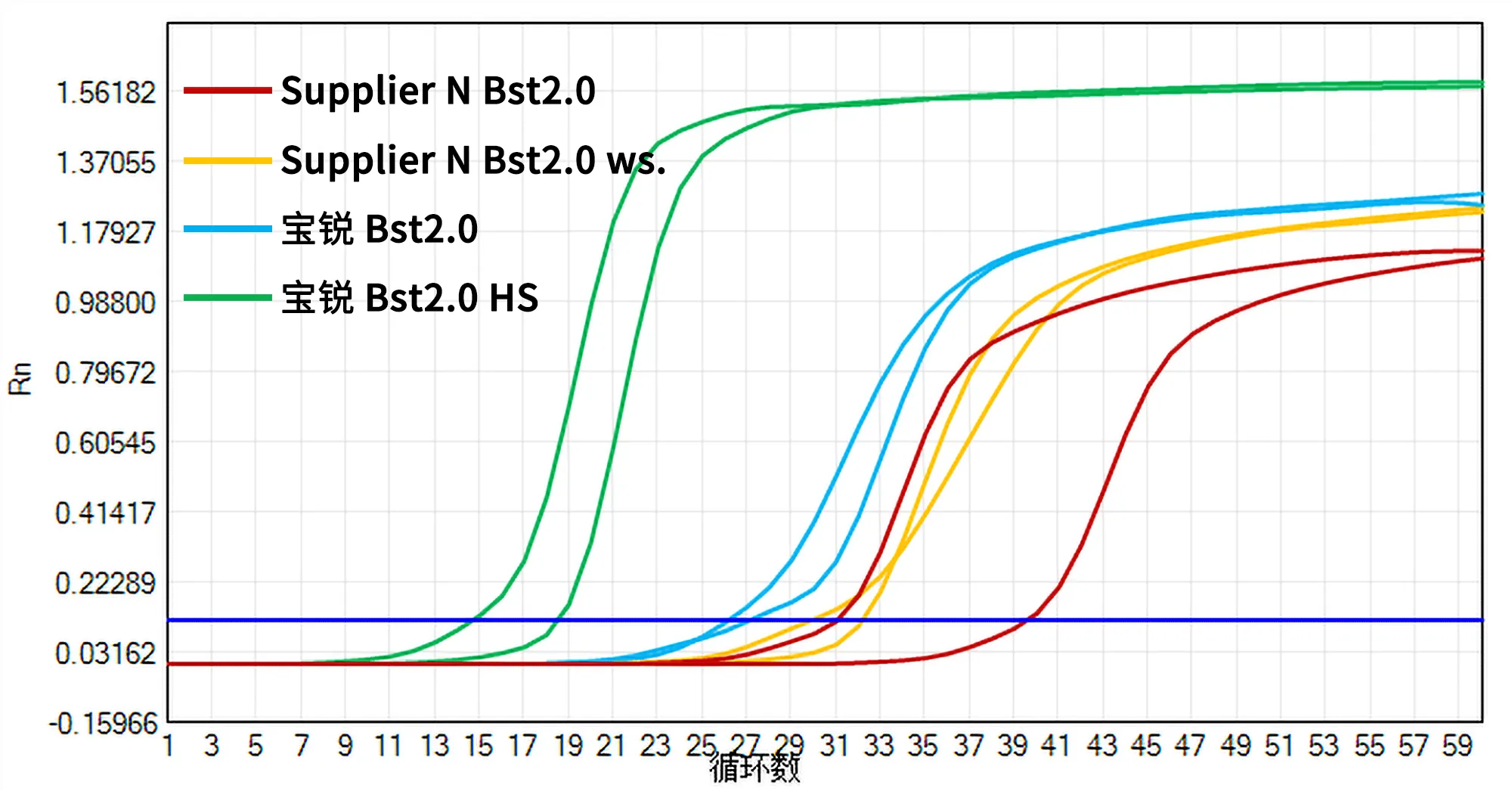
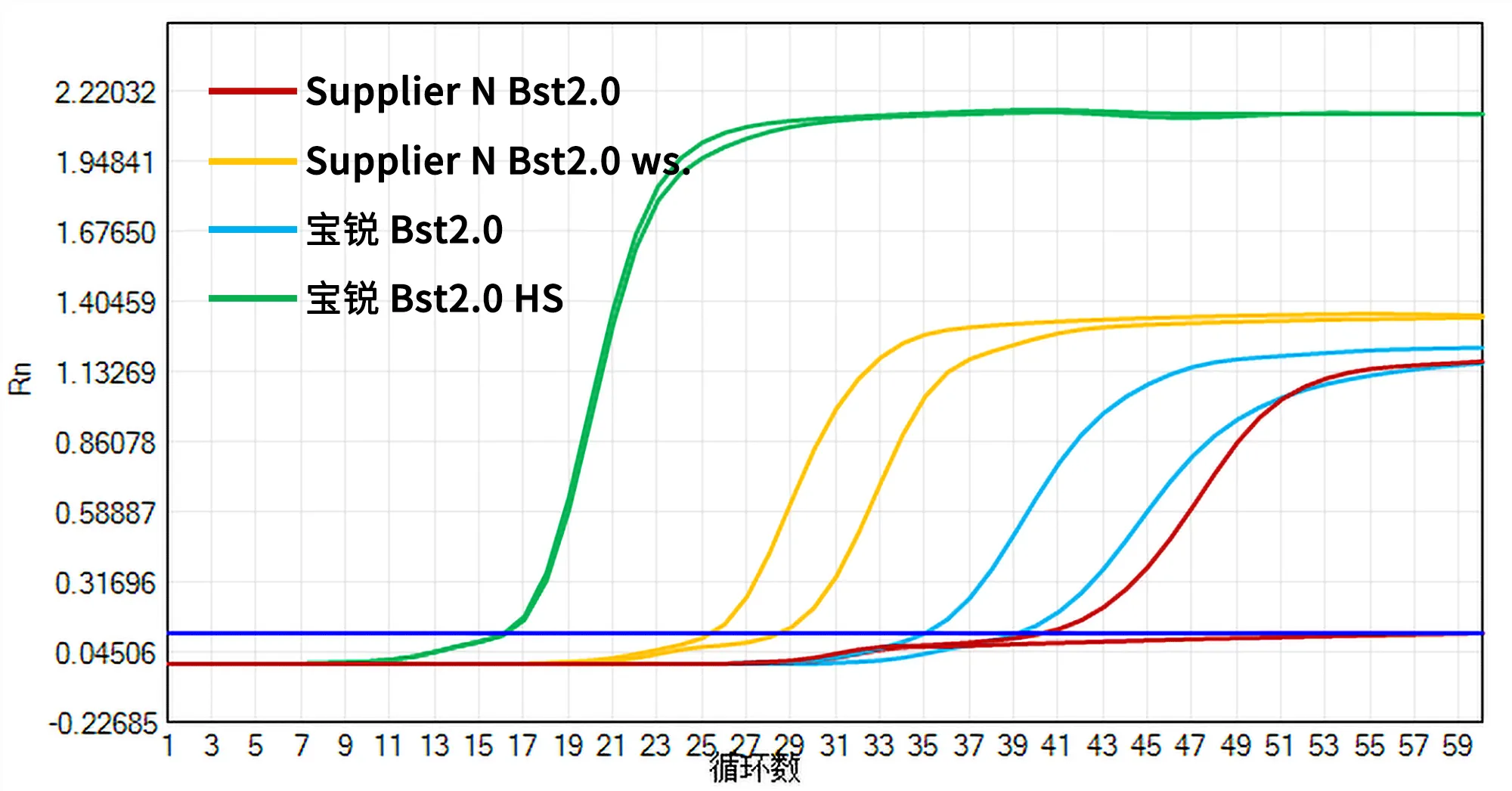
3.3 Direct expansion performance in Saliva (dye method, RNA detection)

Sampling method
When collecting saliva samples, use your tongue to scrape the upper and lower jaws several times, and at the same time, use your teeth to slightly scrape your tongue to ensure the number of shed cells in the saliva.



0756-8699969
Address: No. 88, Shuian 1st Road, Nanping Science and Technology Park, Xiangzhou District, Zhuhai City, Guangdong Province
Email: marketing@biori.com
Wechat official account |
Product consultation |
Join us |
Video Account |