real-time quantitative polymerase chain reaction (real-time qPCR) has been widely applied in clinical diagnosis and other fields, and has become an indispensable technique in medical diagnosis and treatment. However, as common and extremely complex samples in clinical practice, whole blood and others contain various inhibitors that can affect the interpretation of qPCR results, posing certain challenges to molecular diagnosis. Therefore, the pretreatment of samples is an unavoidable and headache-inducing task for researchers.
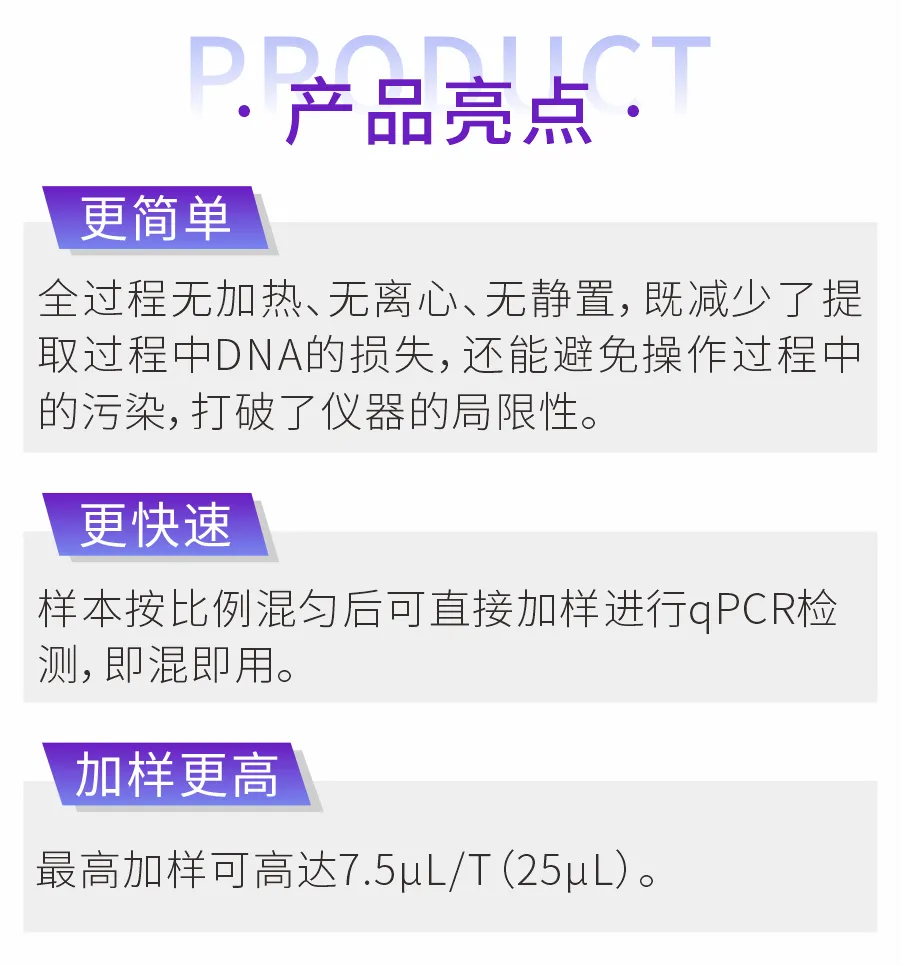
At present, most of the available whole blood release agents on the market require operations such as heating, centrifugation, and standing still, which have significant limitations. The latest whole blood release agent launched by Baorui Biology is faster to operate! Simpler!

Apply for a trial

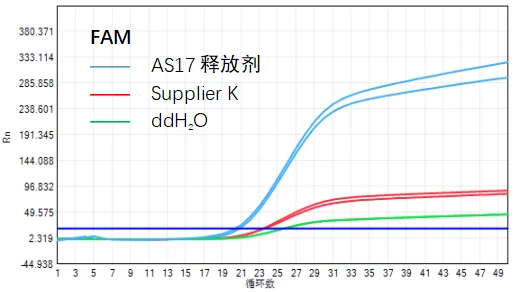
Comparison of direct expansion effect with similar products

Whole blood sample processing: Take 20 μL of whole blood and 60 μL of release agent into an EP tube, and slowly pipette 15 to 20 times to avoid the formation of bubbles. After mixing well, directly add the sample for nucleic acid amplification detection without extraction.
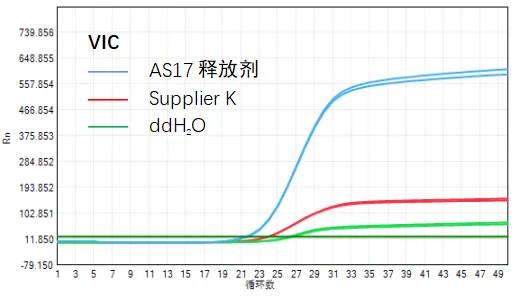
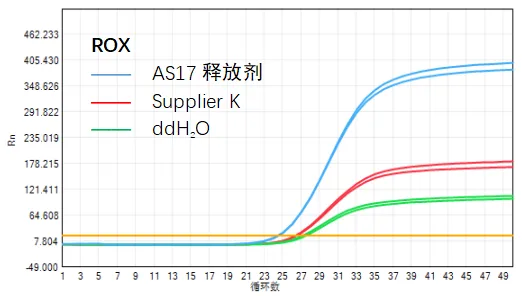
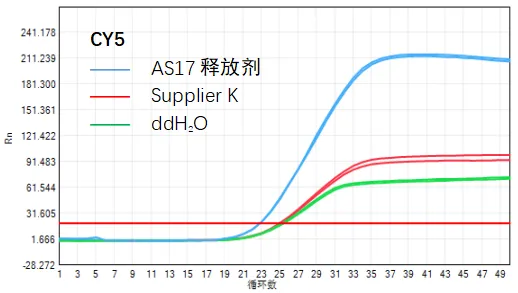
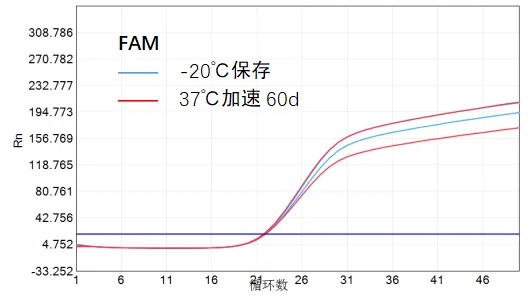
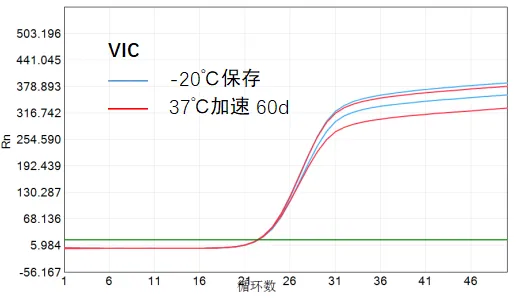
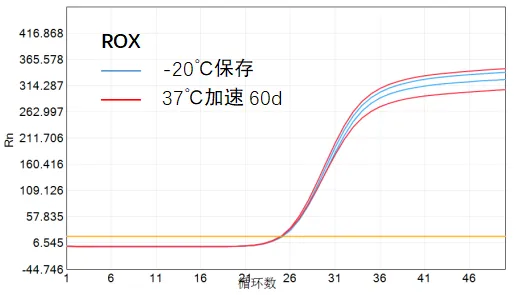
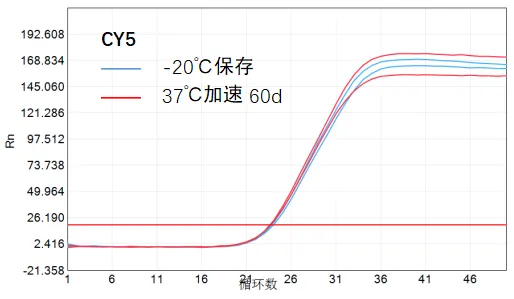
Accelerated stability test of whole blood release agent

Whole blood sample processing: Take 20 μL of whole blood and 60 μL of release agent into an EP tube, and slowly pipette 15 to 20 times to avoid the formation of bubbles. After mixing well, directly add the sample for nucleic acid amplification detection without extraction.
Related product recommendations
1. Rapid direct amplification DNA qPCR reagents: : :;2×Fast Direct Premix-UNG(Probe qPCR)
Item No. : MD2071】
2. Rapid direct amplification RNa-based qPCR reagents
2×Fast Direct RT Premix-UNG(Probe qRT-PCR)
Item No. : MD2084
3. Direct-spread DNA qPCR reagents
2×SensiDirect Premix-UNG(Probe qPCR)
Item No. : MD2091
4. Direct expansion RNA qPCR reagents:
2×SensiDirect RT Premix-UNG(Probe qRT-PCR)


Scan the code to apply for a trial package