Article Source: IVD InformationNew Perspectives on IVD
Autoimmune Disease Diagnostics: Global Markets
Diagnosis of autoimmune diseases-Overview of the Global Market
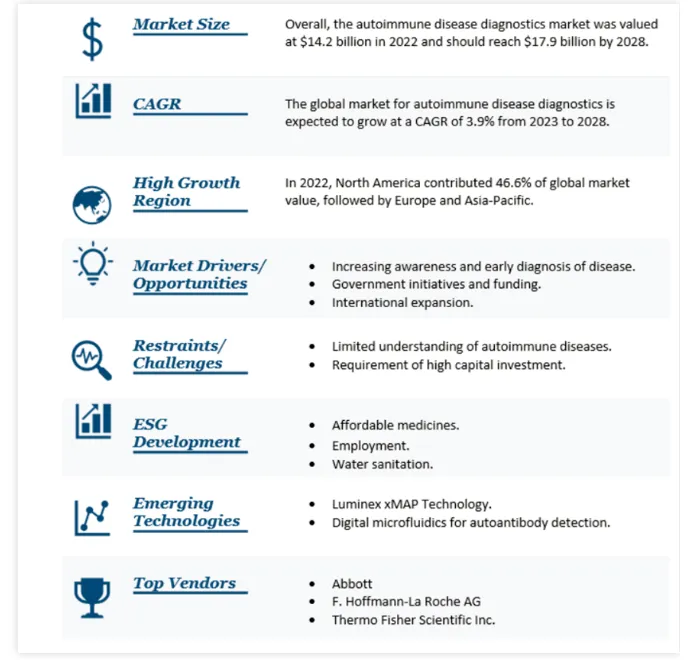
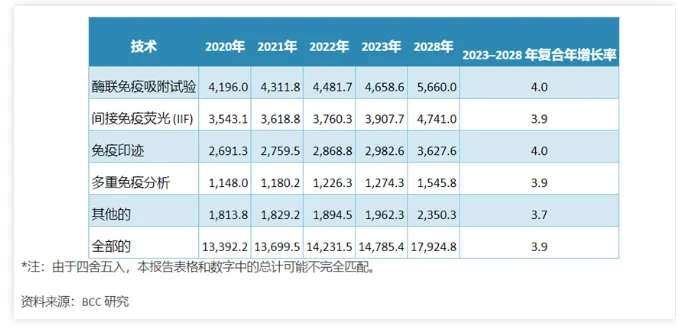
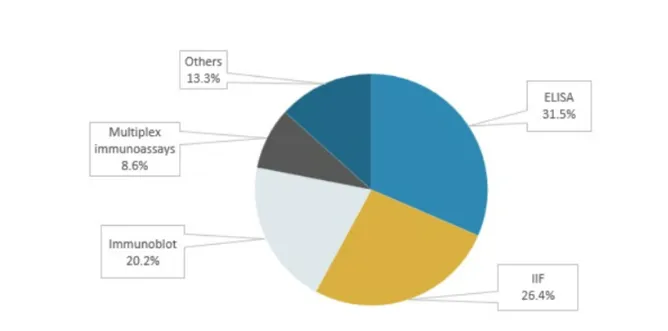
Due to the continuous increase in the prevalence of these diseases, they are autoimmuneDiseaseIt is crucial to conduct market research for diagnosis. It offers valuable insights into current trends, growth opportunities and competitive analysis. Enterprises can formulate strategies and assess their competition based on the obtained data. Understanding the market size and predicting potential growth are crucial for decision-making. It can also help stakeholders understand regulatory and reimbursement situations. Market research has revealed R&D gaps and promoted the innovation of diagnostic tools. Feedback from patients and doctors can be collected to customize solutions that meet their needs. Understanding the global market landscape is crucial for expansion. Investors and funding organizations can utilize these studies to assess the potential for investment returns. In addition, public health organizations can also benefit from data and insights, thereby making informed decisions and allocating resources.
The diagnosis of autoimmune diseases refers to various methods and procedures used to identify and confirm whether an individual has an autoimmune disease. Autoimmune diseases are a group of disorders in which the human immune system mistakenly attacks its own healthy cells and tissues, leading to a variety of diseases.Accurate and timely diagnosis is of vital importance for the effective management and treatment of autoimmune diseases. Diagnostic tests may involve detecting specific autoantibodies, inflammatory markers or other biomarkers in blood or tissue samples. These tests can help healthcare professionals identifyAutoimmune diseasesAssess its severity and monitor the progression of the disease to formulate an appropriate treatment plan. The diagnosis of autoimmune diseases is crucial for improving the treatment outcomes and quality of life of patients by promoting early intervention and personalized care for individuals affected by these complex and diverse diseases.It covers government regulations related to the in vitro diagnostic industry, especially those concerning the diagnosis of autoimmune diseases. The challenges brought by laboratory conditions related to autoimmune testing are only partially in line with the latest developments in regulatory frameworks, such as EN/ISO15189 certification and in vitro diagnostic medical device regulation (IVD-R). Furthermore, regardingAutoantibody detectionTo meet the requirements, more explicit international recommendations, guidelines and disease standards are needed.To address these issues, laboratory experts from countries such as France, Germany, Greece, Hungary, Italy, Austria, Belgium, Croatia, Estonia, Finland, Norway, Poland, Portugal, South Africa, Spain, Sweden, the Netherlands and Switzerland have collaborated to collect information and share national experiences. The objective is to identify quality issues related to autoantibody testing, which require consensus on the interpretation of regulatory frameworks and guidelines. The European Autoimmune Standardization Initiative (EASI) organized this process. The newly implemented in vitro Diagnostic Regulation (IVD-R) in the European Union and similar global regulations have set strict standards for diagnostic test kits.The autoimmune disease diagnosis market is driven by factors such as the continuous rise in the global prevalence of autoimmune diseases, thereby increasing the demand for accurate diagnostic tools. The advancement of diagnostic techniques, the enhancement of awareness, and the emphasis on early detection have greatly promoted the expansion of the market. The continuous expansion of the elderly population and their higher susceptibility to autoimmune diseases have further driven the growth of the market. The improvement of healthcare infrastructure, the increase in R&D investment, and the identification of new biomarkers have driven the development of innovative diagnostic solutions.The increasing demand for personalized medicine has promoted the integration of advanced technologies with the diagnosis of autoimmune diseases. The collaboration between diagnostic companies and research institutions has promoted the development of cutting-edge diagnostic tools. In addition, the integration of artificial intelligence in diagnosis has enhanced efficiency and accuracy. The government's measures to improve overall healthcare have contributed to market growth, as has the increasing incidence of autoimmune diseases, especially among women.The availability of non-invasive diagnostic methods and the continuous expansion of molecular diagnostic applications contribute to the diversification of diagnostic products. The adoption of next-generation sequencing and the emergence of point-of-care testing are significant trends in the market. Driven by the continuous growth of healthcare spending and the surging demand for rapid and precise diagnostic tools, the global in vitro diagnostics market is expanding.Incorporating advanced imaging techniques into the diagnosis of autoimmune diseases has further broadened the scope of diagnostic capabilities. The emphasis on healthcare and the increasing burden of chronic diseases have highlighted the importance of reliable diagnosis of autoimmune diseases. The globalization of the autoimmune disease diagnosis market has enhanced accessibility and market penetration, making diagnoses more accessible in different regions.In 2022, the value of the autoimmune disease diagnosis market was estimated at 14.2 billion US dollars and is expected to grow to 17.9 billion US dollars by 2028.The global market value of autoimmune disease diagnosis was nearly 14.2 billion US dollars in 2022. The market is expected to grow at a compound annual growth rate (CAGR) of 3.9% and reach 17.9 billion US dollars by 2028. The technological advancements in global detection of autoimmune diseases have driven the growth of this market.In 2022, the enzyme-linked immunosorbent assay (ELISA) field held the highest market share, approximately 31.5%, followed byIndirect immunofluorescence(IIF) accounted for 26.4%, and Western blotting accounted for 20.2%.to2028Global autoimmunity in the yearDiseaseDiagnostic market (segmented by technology)(Millions of dollars2022Annual Global market share of autoimmune disease diagnosis (by technology type) (%)In 2022, the global market value of autoimmune disease diagnosis was 14.2 billion US dollars. The advancement of autoimmune disease detection technologies worldwide has driven the growth of this market. The market is expected to reach 17.9 billion US dollars by 2028.It is expected that the market will grow at a compound annual growth rate of 3.9% from 2023 to 2028. This growth is driven by the enhanced awareness of autoimmune diseases and significant investment.Among different techniques, enzyme-linked immunosorbent assay (ELISA) is expected to achieve a compound annual growth rate of 4.0% during the forecast period. The application of ELISA in the diagnosis of autoimmune diseases benefits from its technical advantages, multi-functionality, cost-effectiveness, as well as the continuous progress of research and technology. The reliability of this method and its applicability to various autoimmune diseases contribute to its increasing adoption in clinical practice.In 2022, North America held a leading market position compared with other regions around the world. This advantage can be attributed to medical policies that advocate preventive measures, a preference for precision medicine, and a well-developed medical infrastructure.The Asia-Pacific market is expected to grow at a compound annual growth rate of 4.6% during the forecast period. The continuous growth of healthcare spending in emerging countries such as India and China is the main driving force behind this increase.