The application fields of mRNA technology mainly include: immunotherapy, protein replacement therapy, gene editing and regenerative medicine therapy. Among them, tumor immunity and preventive vaccines in immunotherapy are currently the research hotspots and also the most mature technical fields.
According to the relevant regulations on vectors in the Technical Guidelines for Pharmaceutical Research of mRNA Vaccines for the Prevention of the Novel Coronavirus (Trial), the following are the provisions:
// Template design, transcription template plasmid construction and strain library research data //

1. Objective: Antigen selection basis and source
1.1
Clarify the source of the target antigen, amino acids, gene sequence and protein structure, and analyze the nucleotide and amino acid homology with the current prevalent strains.
1.2
Clarify the basis for the selection of target antigens and the role or mechanism of action of their expressed proteins in the prevention of the novel coronavirus。
1.3
Provide important structural information such as the theoretical sequence, molecular weight, molecular formula, disulfide bond (if any), and modification (if any) of the target product。
2. DNA transcription template sequence design and structure
2.1
This paper comprehensively elaborates on the design of DNA transcription templates. Besides the mRNA sequences involved in the target antigen, it is necessary to focus on providing the design of its functional components and confirming the research results, such as the cap structure design, the selection of transcription promoters, the design of 5’UTR and 3’UTR, and the design of signal peptides. Poly(A) tail structure/length design, type of nucleoside triphosphate (NTP) used and its modification information, etc。
2.2
If any modification, sequence remodeling or sequence optimization (such as codon optimization, etc.) has been carried out on the mRNA sequence encoding the target antigen, the basis and purpose of the modification or sequence alteration (such as improving mRNA translation efficiency, reducing innate immunogenicity, increasing stability, etc.) should be provided in detail. Structural diagrams and other materials should be provided, and the pros and cons of gene modification or sequence alteration should be weighed and analyzed, along with confirmed supporting research results. If possible, the immunogenicity of the constructed mRNA vaccine itself should be evaluated。
2.3
In some cases, if the constructed gene sequence includes other gene sequences besides the antigenic target gene, the role and selection basis of the additional introduced gene sequence should be analyzed, such as additional insertion sequences that are conducive to the formation of S protein trimers, etc., and the corresponding sequence design and confirmation of the research data results should be provided。

1
The control elements of the transcription template and the sequences and sources of the selected markers should be elaborated, such as the analysis of transcription promoters, transcription termination sequences, antibiotic resistance markers, etc. The use of antibiotics should comply with the relevant requirements of the Chinese Pharmacopoeia。
2
Detailed information and steps for the construction and preparation of transcription template plasmids, as well as methods for identification and confirmation, should be provided。
3
For the plasmid of the transcription template, a full gene sequence analysis and confirmation should be conducted in combination with the verification of the engineering bacteria seed bank, providing the full-length nucleotide sequence of the transcription template used for mRNA production. In particular, the control elements of the transcription template, the inserted target gene sequence, and whether there are any variations in the selected marker genes should be analyzed。

Engineered bacteria should establish a seed bank system in accordance with the relevant provisions of the "Pharmacopoeia of the People's Republic of China" or international common requirements, and provide the corresponding verification report from the national drug inspection institution.
1
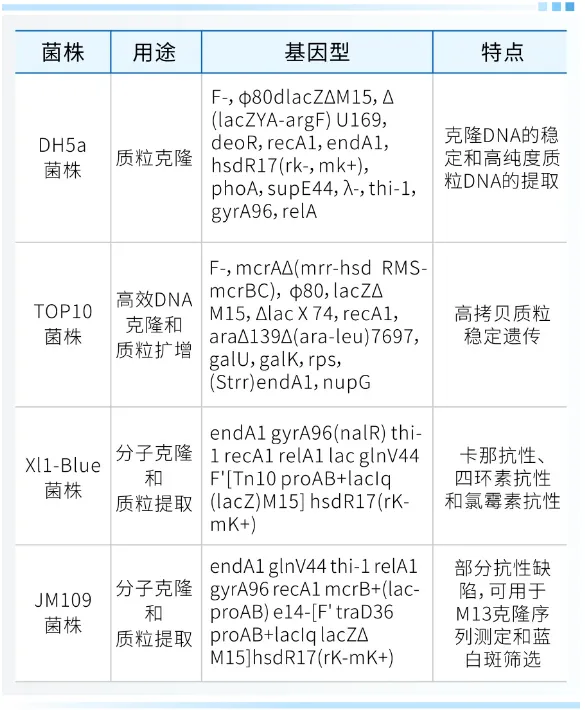
Clarify the source, genotype, phenotype of the host bacteria and the process of target clone screening. Encourage the identification research on host bacteria. The identification project may include: identification, antibiotic sensitivity, etc。
2
Establishment and identification of engineered bacteria: After optimizing the transformation conditions, qualified target plasmids are transformed into suitable engineered bacteria. After cloning and screening, a seed bank system is established。
3
Seed bank verification: It is necessary to ensure that the seed bank is free from exogenous factor contamination and the accuracy of the target gene sequence and other elements, including bacterial morphology, culture purity, plasmid-restricted enzyme digestion map, sequencing of the target gene and other elements, etc. Encourage the verification of indicators such as the activity of engineered bacteria, plasmid retention rate, identification, and antibiotic resistance。
4
Passage stability study: Conduct genetic stability analysis of seed banks (sequence size, sequence accuracy, plasmid-restricted enzyme digestion map, plasmid copy number) and clarify the limited passage generations and basis for each level of seed banks. Describe the preparation scale, preservation conditions, amplification conditions, and the allowable number of passages of each level of seed bank, etc。

Template identification, DNA template concentration/content, sequencing, purity, linear efficiency (if applicable), impurity residue, microbial limit, endotoxin and other tests should be conducted. Encourage applicants to establish quality control over the in vitro transcriptional activity of DNA transcription templates. Residual impurities in the transcription template may include host bacterial DNA, host bacterial RNA, and host protein residues, etc.
The preparation process of plasmid templates: It is necessary to confirm the key process parameters and their control ranges for the preparation of transcription templates, and establish corresponding process control detection standards.
1
Plasmid concentrationConcentration before enzymatic digestion, concentration after enzymatic digestion. Plasmid linearization enzyme concentration: The differences in linearization processes with enzymes of different concentrations。
2
Incubation timeThe relationship between enzyme digestion time and enzyme type, enzyme digestion time and system, and enzyme digestion time and template type。
3
4
5
6
If storage is required, the storage conditions and methods should be clearly defined and relevant supportive research should be conducted. It is recommended to consider the following quality control project:
Identification: PCR identification, enzyme digestion identification, sequencing;
DNA template concentration/content: micro spectrophotometer, HPLC;
Purity: HPLC;
Linear efficiency (if applicable) : HPLC;
Residual impurities: including host bacteria DNA, host bacteria RNA, host protein residues, etc.
Microbial limits: Detection Methods and Standards for microbial Limits in the Chinese Pharmacopoeia;
Endotoxin and other detection: Methods and standards for endotoxin detection in the Chinese Pharmacopoeia.
The following table shows the uses and characteristics of commonly used seed bank strains:

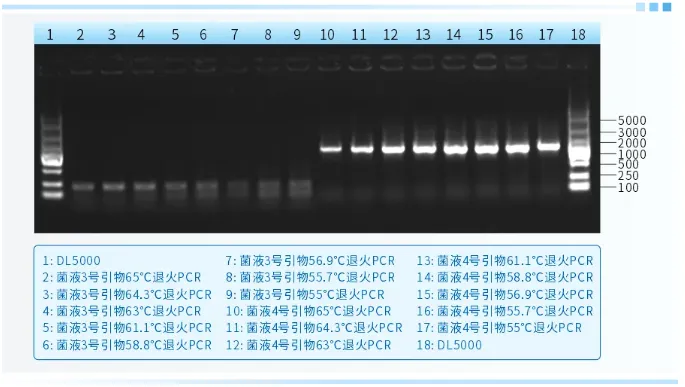
PCR identification of bacterial liquid
Bacterial liquid PCR is a rapid and high-throughput method for screening the presence of target fragments, and it is simple to operate. Determine the positive clones based on the agarose gel electrophoresis diagram.
When designing PCR identification primers, the following points should be noted: Preferably: before the T7 promoter - after the poly(A) tail; Required: ATG- Stop codon.
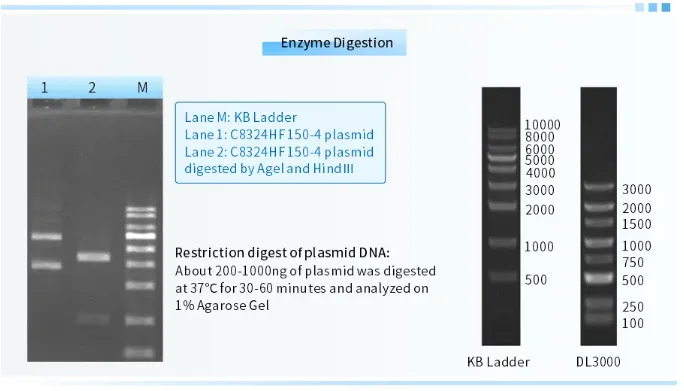
2. Enzymatic digestion identification
The bacterial liquid of the positive clones was expanded for culture, and the plasmids were extracted and identified by double enzyme digestion of the plasmids. Double cleavage of plasmids successfully constructed with recombinant vectors will result in double bands.
3. Sequencing identification
Finally, sequencing is used to further identify whether there is a target gene sequence. The sequencing results are compared with the target sequence. If the construction is successful, there will be a 100% alignment rate. However, it should be noted that the sequencing range must be at least before the T7 promoter and after the poly(A) tail. If sequencing anomalies occur, it is necessary to determine whether the deletion occurs within the sequence and whether it affects codon production. Mutation - Whether the site where the mutation occurs will affect the reading of codons.

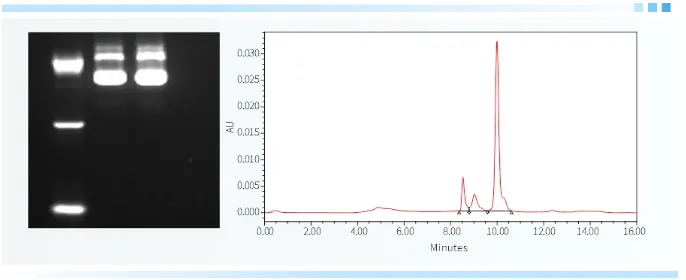
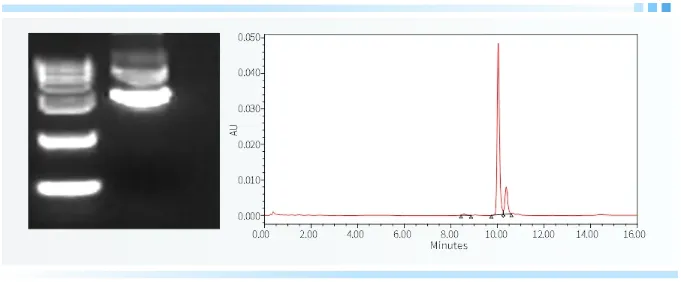
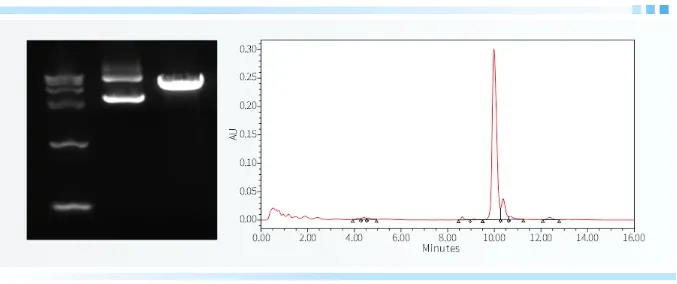
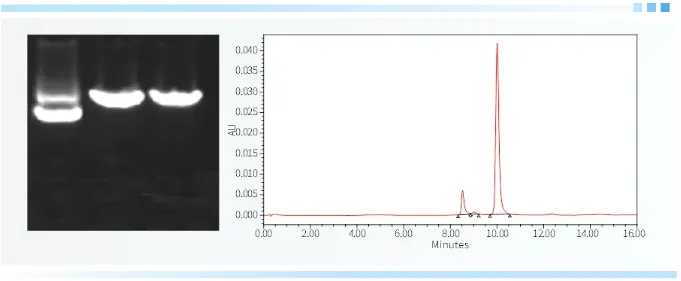
Studies have shown that standard plasmid DNA has three basic structures: superhelical (Supercoiled, abbreviated as SC), Linear (Linear), and open-ring (opencircular, abbreviated as OC), and these three types of particles have various polymeric forms. Superhelix is regarded as a plasmid form that can most effectively enhance transfection efficiency and the expression of target genes. In the research of gene therapy and mRNA vaccines, there are clear requirements for the superhelix content of medicinal plasmids (FDA:>80%, NMPA:≥90%, SMPA:>85%).
The successfully constructed recombinant plasmid can be continuously optimized to obtain a plasmid with a superhelical ratio that meets the experimental requirements, and thereby obtain the linearized template we want. The corresponding plasmid electrophoresis and HPLC images are shown as follows:
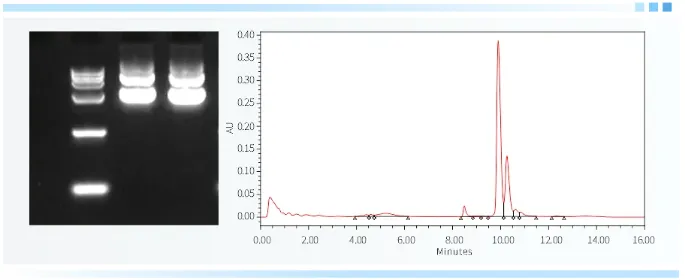
The purity of the corresponding superhelical plasmid: 62.75%
The purity of the corresponding superhelical plasmid: 77.06%
The purity of the corresponding superhelical plasmid: 83.82%
The purity of the corresponding superhelical plasmid: 84.33%
The purity of the corresponding superhelical plasmid is 88.05%
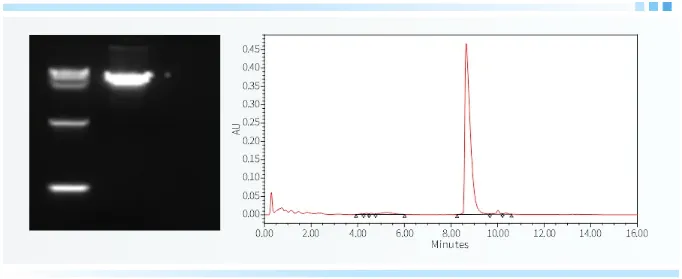
The purity of the corresponding superhelical plasmid: 94.55%
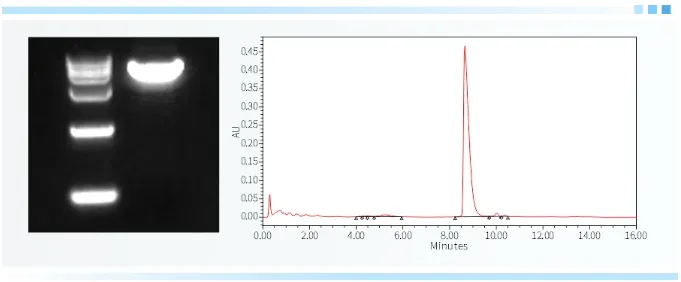
The purity of the corresponding superhelical plasmid: 94.31%

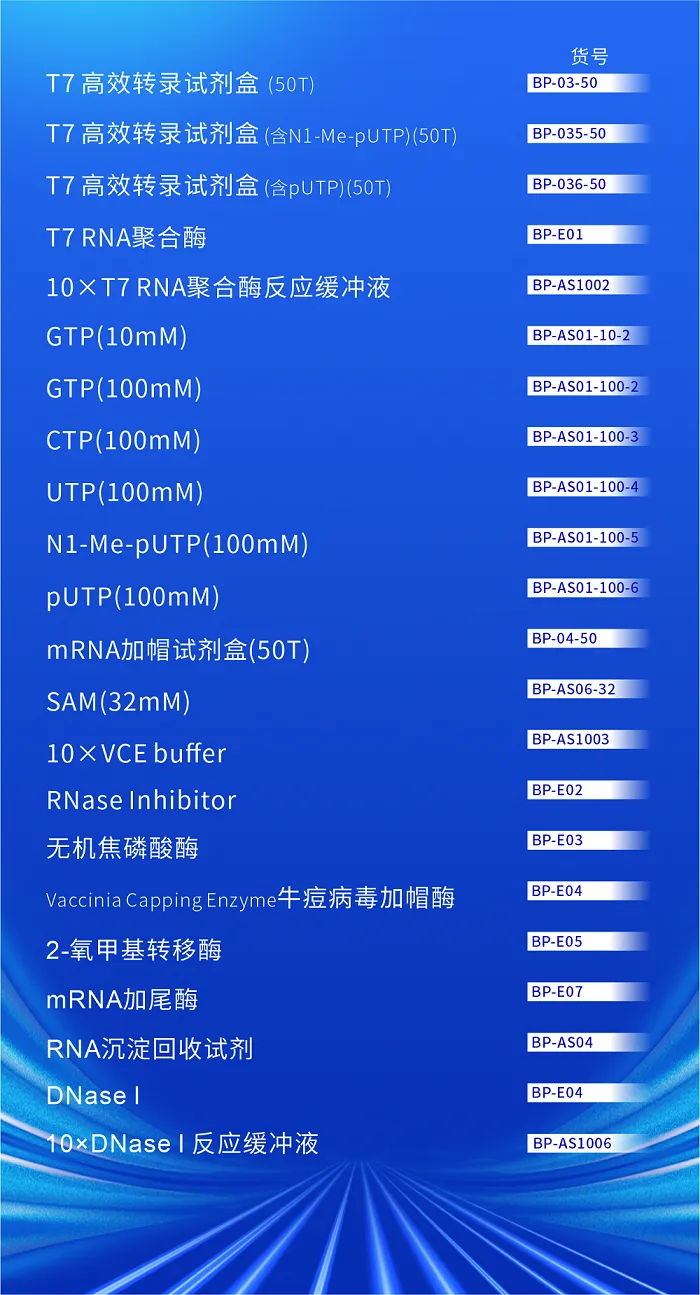
Baorui Biotech actively lays out the development of mRNA vaccine raw material enzymes in the biopharmaceutical field. Relying on its complete R&D platform and development experience, and adhering to its consistent attitude of striving for excellence in products, it has successfully launched a series of core raw material enzymes for mRNA vaccine production. This series of products includes T7 RNA polymerase, varnpox virus capping enzyme, dimethyltransferase, mRNA caudase, inorganic pyrophosphatase, RNase inhibitors, etc., making contributions to ensuring the supply of upstream raw materials for China's biopharmaceutical industry.

References
Miao Hefan, Guo Yong, Jiang Xinxiang, et al. Research progress and challenges of mRNA vaccines [J]. Journal of Immunology, 2016, 32(05):446-449.
2. Schmid A . Considerations for Producing mRNA Vaccines for Clinical Trials[J]. Methods Mol Biol, 2017, 1499:237-251.
3. FDA. Guidance for Industry-Considerations for Plasmid DNA Vaccines for Infectious Disease Indications. CBER. November 2007.
4. FDA. Guidance for Industry-Liposome Drug Products Chemistry, Manufacturing, and Controls; Human Pharmacokinetics and Bioavailability; and Labeling Documentation. CDER. April 2018.

0756-8699969
Address: No. 88, Shuian 1st Road, Nanping Science and Technology Park, Xiangzhou District, Zhuhai City, Guangdong Province
Email: marketing@biori.com
Wechat official account |
Product consultation |
Join us |
Video Account |