Highly sensitive, fully premixed, and freeze-drying technology to support the melting curve of multiplex pcr!
Detection methods such as pathogen typing, multiplex detection of pathogen targets, and drug resistance gene detection can provide corresponding clinical evidence for precise risk stratification, guiding clinical intervention, and optimizing screening efficiency. Among them, HPV typing test combined with cervical cytology examination (such as TCT) has become the gold standard tool for the prevention and treatment of cervical cancer.
The clinical symptoms of respiratory pathogen infections have a high degree of overlap, which leads to a long identification cycle and complex operation of pathogens, making the clinical demand for multiplex nucleic acid detection technology increasingly urgent.
The Multiplex Fluorescence Melt Curve Analysis (FMCA/MMCA) technology is based on the fluorescence PCR melting curve platform and uses double-labeled, self-quenched TaqMan probes or molecular beacons. The technology of obtaining different melting temperature Tm values by taking advantage of the different number of bases/base sequences matched by the target sequence and the probe, thereby achieving parallel detection of multiple genes and multiple loci, and conducting known multi-pathogen detection, genotyping and mutation detection.
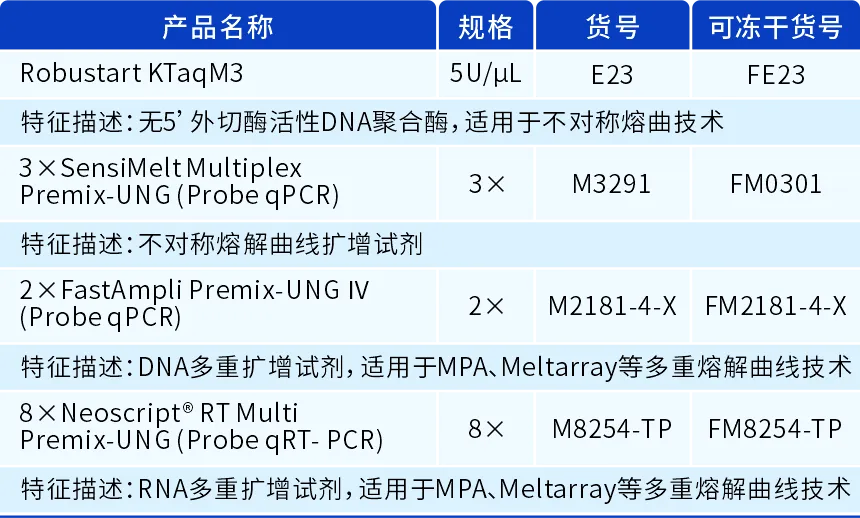
The newly launched product M3291 by Baorui Biotechnology utilizes asymmetric amplification melting curve technology and employs DNA without 5 '-3' exonuctase activityPolymerase, avoiding probe hydrolysis, improves detectionWith high sensitivity, it achieves the purpose of single-tube multiple detection, effectively assisting in pathogen detection, drug resistance gene detection, reproductive genetic screening, food safety testing, etc.




Sensitivity test
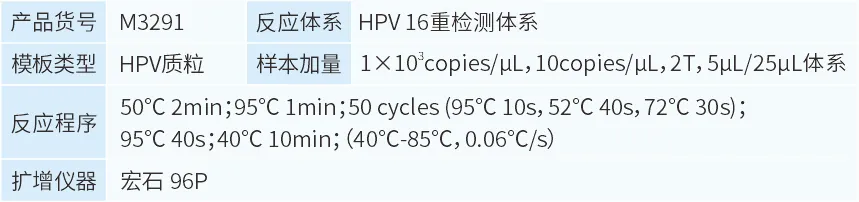
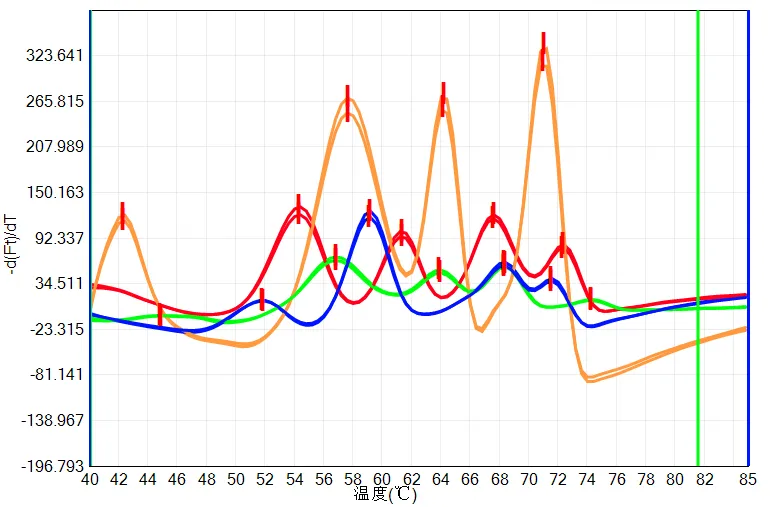
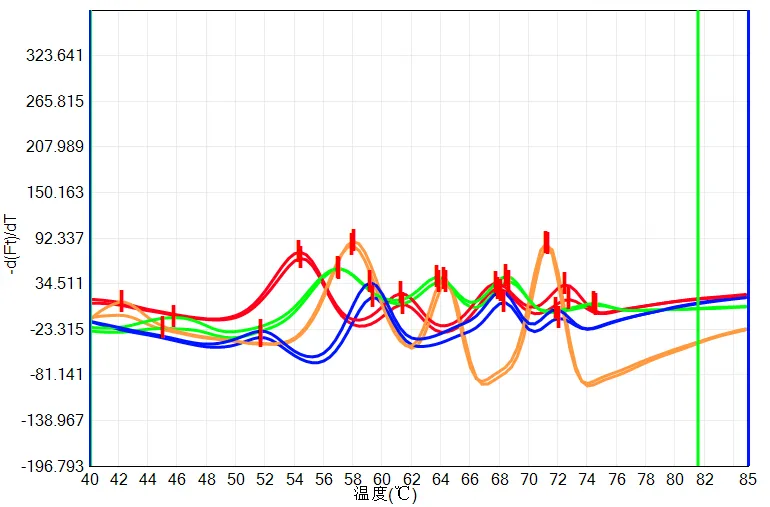
Figure 1: HPV 1×10³copies/μL amplification detectionFigure 2: HPV 10copies/μL amplification detection
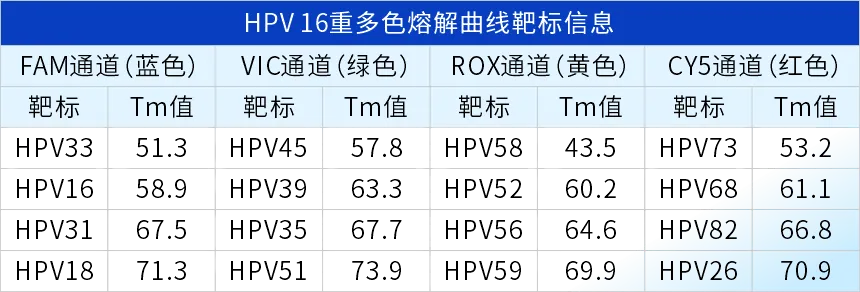
Table 1: Target information of HPV 16 multi-color Melting Curve
The Baorui M3291 can accurately type HPV samples of 10copies/μL.
Stability test - Reagent stability
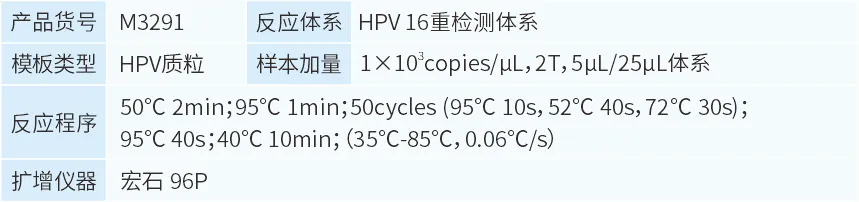
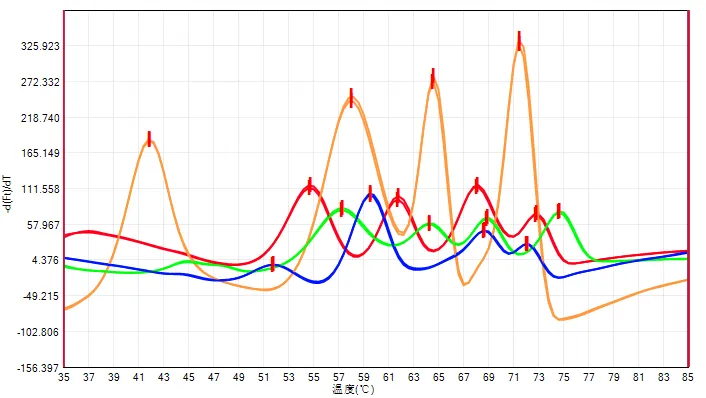
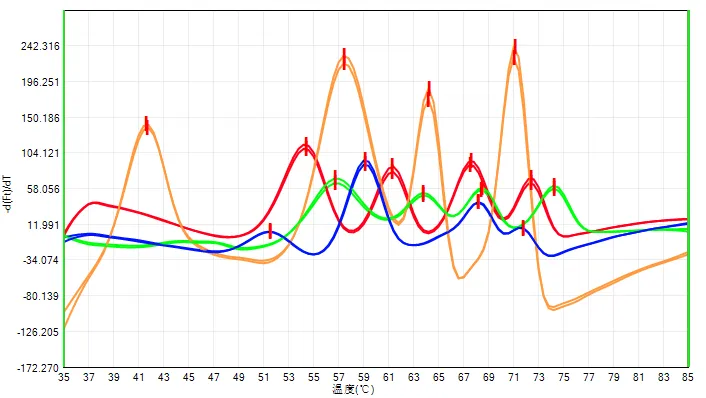
Figure 3Instant amplification effectFigure 4The amplification effect of the premix at 37℃ for 14 days
The Baorui M3291 reagent can achieve single-tube detection of multiple targets, and the premix remains stable after being accelerated at 37℃ for 14 days.
Stability test: Fully premixed stability at 2-8℃
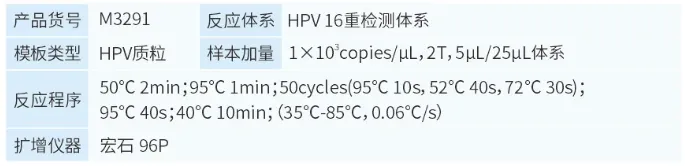
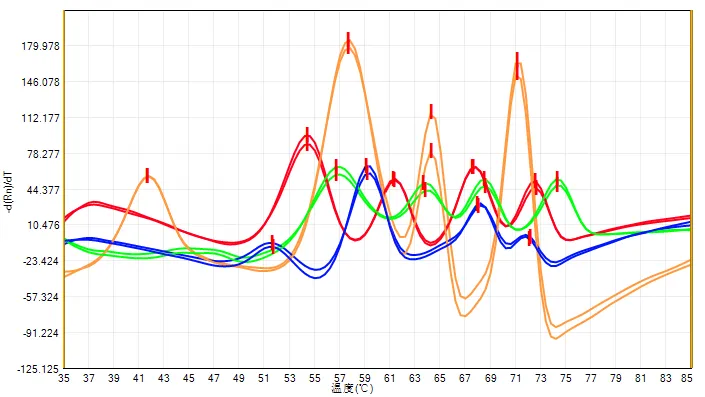

Figure 5: liquid reagent instant amplification effect figure 6: liquid reagent 2-8 ℃ placed 7 d amplification effect
After the Baorui M3291 primer-containing probe was prepared into a single-tube fully premixed reagent and placed at 2-8℃ for 7 days, its amplification performance remained stable.

Freeze-drying stability test
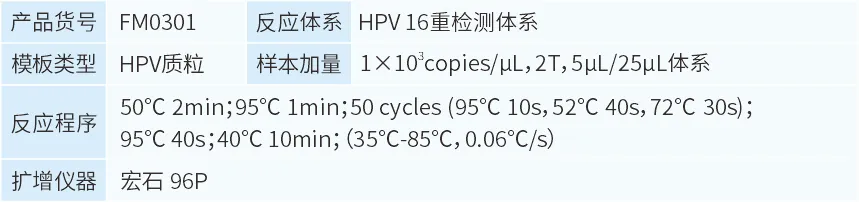
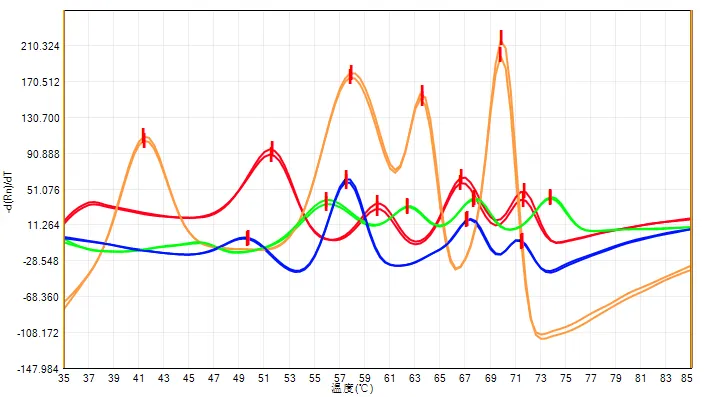
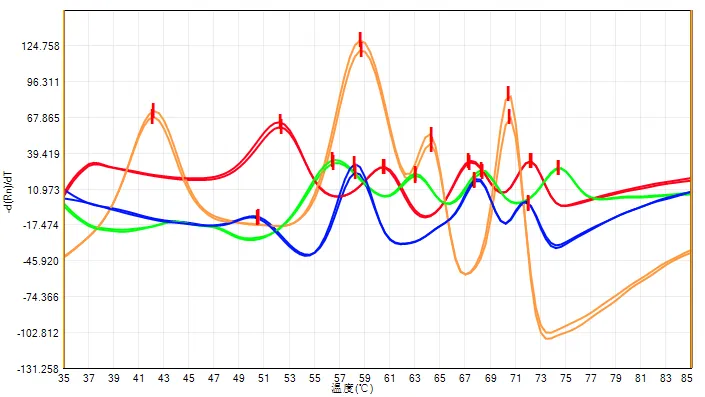
Figure 7Liquid reagent instant amplification effectFigure 8The amplification effect of freeze-dried reagents accelerated at 55℃ for 30 days
After being prepared into freeze-dried powder, Baorui FM0301 remained basically stable after being kept at 55℃ for 1 meter.
Related products

Scan the product code for consultation