Guide
messenger RNA(mRNA) serves as an intermediate for genetic information and a template for biological protein expression. It can introduce exogenous mRNA into target cells to express the target protein. Successful cases on the market have shown that RNA vaccines have a short research and development cycle, can quickly develop new candidate vaccines to deal with viral mutations, induce dual mechanisms of humoral immunity and T-cell immunity, have strong immunogenicity, do not require adjuvants and are easy to be mass-produced, and support global supply. In addition, the advantages of vaccine and drug development based on mRNA lie in:
▶Broader applicationsmRNA can express proteins in the cytoplasm to fulfill its functions without entering the nucleus and can play a role in slowly dividing or non-dividing cells, greatly enriching the application scenarios of mRNA.
▶ Higher securityDue to its transient expression and the extremely low possibility of genomic integration, it reduces the two major risks associated with gene vaccines and drugs (integration of the host genome and mutations in key regions).
▶ ControllableIts efficacy and pharmacokineticsThe half-life and expression abundance of mRNA synthesized in vitro can be determined through structural and component design, which enables better control of the pharmacokinetics (PK) of mRNA vaccine drugs.
These advantages have created favorable conditions for the Good Manufacturing Practice (GMP) of mRNA vaccines and drugs. In addition, proteins expressed through the natural mechanisms of cells possess natural post-translational modifications and appropriate protein folding effects, which offer more advantages than recombinant proteins synthesized in vitro. In recent years, mRNA, as a therapeutic approach, has increasingly gained attention in the field of gene therapy. In vitro transcribed mRNA has been applied in preclinical and clinical trials, including vaccine development, cancer treatment, and protein replacement drugs, etc。
Vaccines represented by mRNA, with their own characteristics, have rapidly changed the landscape of the vaccine industry and opened up a brand-new track for the biopharmaceutical field. With the expansion of mRNA vaccine production capacity, the demand for raw materials has soared, and the global competition for highly specialized production raw materials for vaccines has become increasingly fierce.
Baorui Biotech is actively laying out the development of mRNA vaccine raw material enzymes in the biopharmaceutical field. Relying on a complete R&D platform and development experience, and adhering to the consistent high-quality requirements for products, We have now developed a series of core raw material enzyme products for mRNA vaccine production, including T7RNA polymerase, varicella virus capping enzyme, dioxomethyltransferase, mRNA caudase, inorganic pyrophosphatase, and RNase inhibitors, which are contributing to the industrialization process of domestic mRNA vaccines.


T7RNA polymerase has a high degree of promoter specificity. Through genetic modification, Baorui Biotechnology has successfully developed T7RNA polymerase targeting the T7 promoter. Compared with competing products, it has obvious advantages in both purity and enzyme activity.
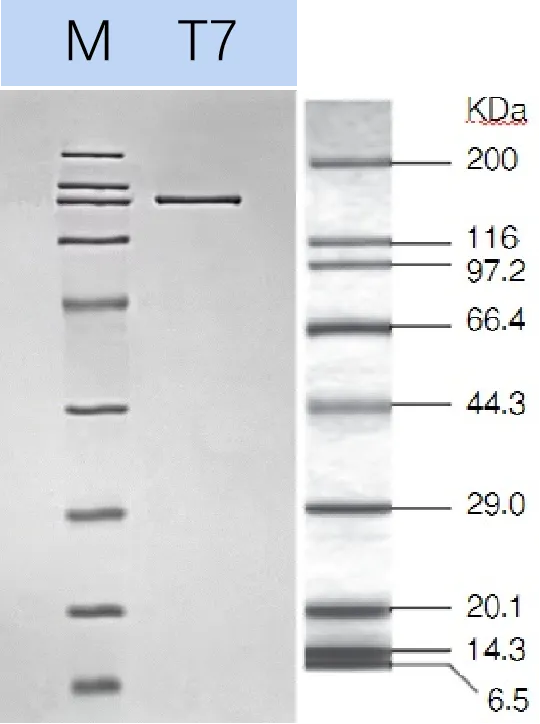
Figure 1 High-purity T7RNA polymerase
In combination with the meticulously optimized transcription reaction buffer by Baorui, the T7RNA polymerase can precisely and efficiently recognize the T7 promoter region (5'-TAATACGACTCACTATAG-3') using DNA containing the T7 promoter sequence as a template. Starting from G in this region, The subsequent DNA sequence was efficiently and stably transcribed into single-stranded RNA using substrate NTPs.
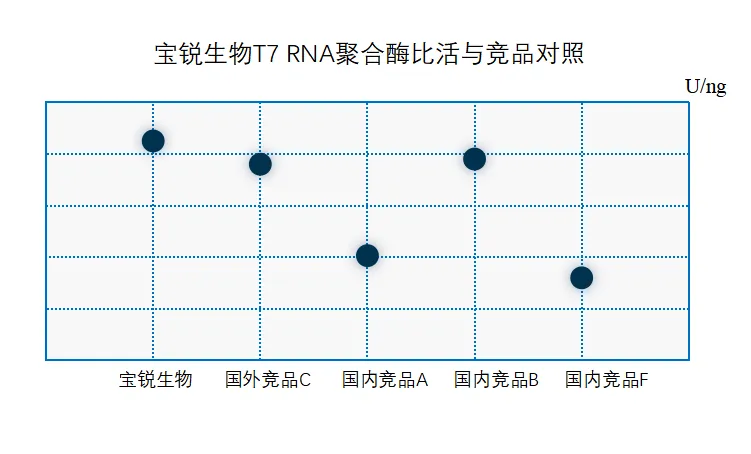
Figure 2 Baorui Biotech T7 High-Efficiency Transcription Kit

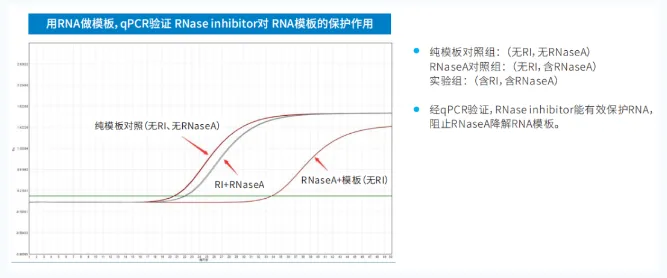
Inorganic pyrophosphatase produced through fermentation by Escherichia coli can catalyze the hydrolysis of inorganic pyrophosphate to orthophosphate. In nucleic acid amplification experiments, avoiding the inhibition of the reaction system by its by-product pyrophosphate and enhancing the reaction kinetics can increase the yield of RNA in in vitro transcription reactions. In addition, in response to the possible RNase contamination during the transcription process, the RNase inhibitor of Baorui Biotech can form a complex with RNase through non-covalent bonds, inhibiting various types of RNase and effectively protecting RNA from degradation.

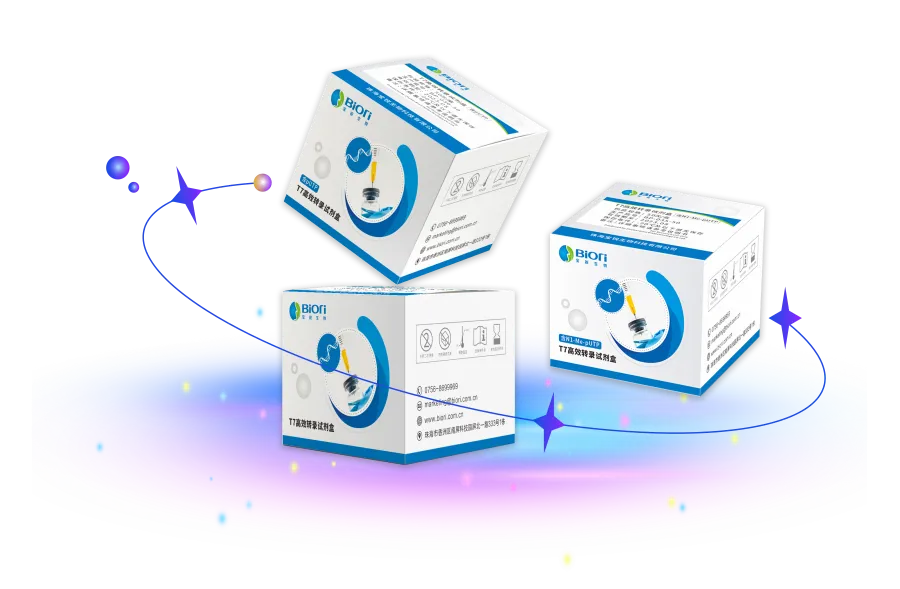
Relying on a complete series of mRNA synthase raw materials, Baorui Biotechnology has developed the T7 high-efficiency transcription kit (Catalog No. : BP-03-50), which is optimized for different templates and nucleotide types. This kit can obtain a large amount of RNA at one time through short-term in vitro transcription. A template input of 1μg can yield approximately 160μg to 200μg of the product.
In addition, by adding Cap0 or Cap1 and other cap structures or cap structure analogues to the reaction substrate, mRNA with cap structures can also be transcribed through this kit.
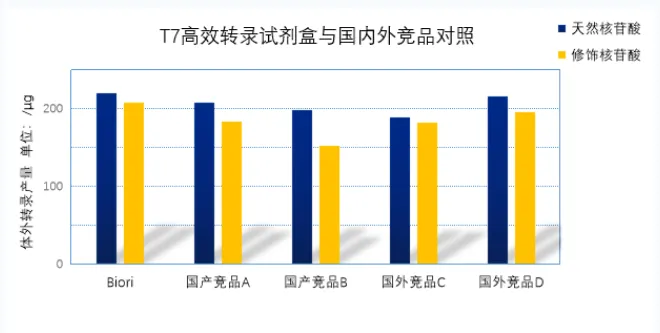
Figure 4 Baorui Biotech T7 High-Efficiency Transcription Kit
The transcription yield is consistent with that of foreign competitors and superior to that of domestic competitors
A large number of internal and customer process validations have shown that the T7 high-efficiency transcription kit produced by Baorui Biotech has a significant advantage in transcription yield among similar products in the market. The purity of its products, whether tested by electrophoresis or HPLC, remains at a relatively high level.
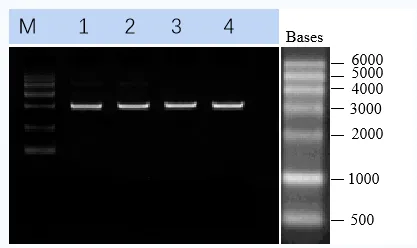
Figure 5 Baorui Biotechnology's High-Efficiency Transcription Kit
Agarose electrophoresis diagram of the transcription product
NoteM:ssRNA ladder 6000
1: T7 High-Efficiency Transcription Kit Transcription Product I
2: T7 High-Efficiency Transcription Kit Transcription Product II
3: T7 High-Efficiency Transcription Kit Transcription Products (including pUTP)
4: T7 High-Efficiency Transcription Kit Transcription Products (Containing N1-Me-pUTP)
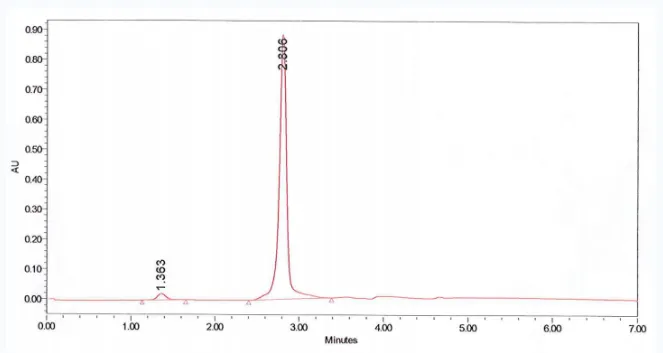
Figure 6 shows the HPLC of the Baorui Biotech T7 high-efficiency transcription Kit
During the mRNA production process, the residue of dsRNA is an urgent problem to be solved. Through extensive process optimization and formula screening, Baorui Biotechnology has produced the T7 high-efficiency transcription kit, which can to a certain extent inhibit the production of dsRNA and control the residual amount of dsRNA from the source. Data shows that the dsRNA content of mRNA produced using the T7 high-efficiency transcription kit from Baorui Biotechnology is at a relatively low level compared with that of competing products.
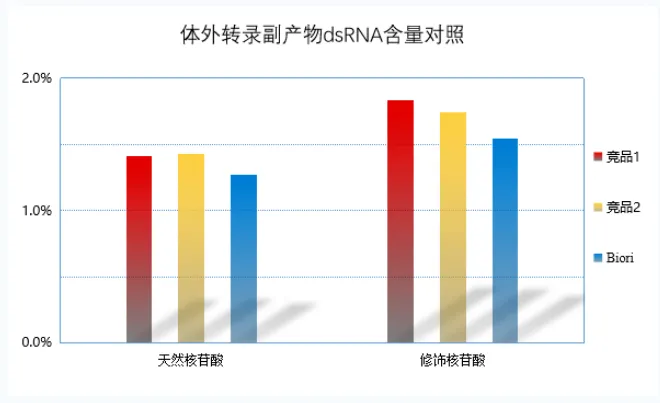
The dsRNA content of the transcription product is lower than that of the competing products

The cap structure at the 5' end of mature mRNA, namely the m7GPPPN structure, also known as the methylguanosine cap, not only protects mRNA from being cleaved by RNase but also extends its half-life. It can also enhance the stability of mRNA during translation, splicing and export from the cell nucleus.
The Vaccinia caping enzyme (VCE) launched by Baorui Biotechnology integrates the necessary activities of caping enzymes such as mRNA triphosphatase, guanosine acyltransferase and guanine methyltransferase, with S-adenosylmethionine (SAM) as the methyl donor. The m7G cap structure can be directly added to the 5' end of the mRNA. This structure is closely related to the stability, transport and translation of mRNA, and can significantly improve the stability and translation ability of mRNA used for cell validation and in vivo expression.
Baorui Biotech simultaneously launched 2'O-methyltransferase, which uses RNA with Cap0 structure as the substrate and S-adenosylmethionine (SAM) to modify the Cap0 structure into Cap1, further reducing the immunogenicity of the mRNA itself. Increase the expression level of the encoded protein after transfection.
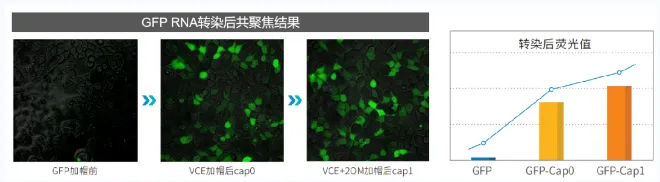
The expression of GFP after capping with dioxymethyltransferase

In the process of mRNA production, the mRNA with A Poly(A) tail transcribed using a plasmid template carrying a poly(A) sequence is the first. For special processes, it may be necessary to adopt the method of post-transcription tailing.
Based on this application scenario, Baorui Biotech has launched A template-independent mRNA cawing enzyme that can catalyze ATP to be successively incorporated into the 3' end of RNA in the form of AMP, that is, to add a polyA-tail at the 3' end of RNA. This enzyme has A very high tail addition efficiency. By controlling the dosage of this enzyme, 20 to 200 poly(A) tails of different lengths with A-bases can be stably added to the 3' end of RNA, enhancing the stability of mRNA and the efficiency of translation.
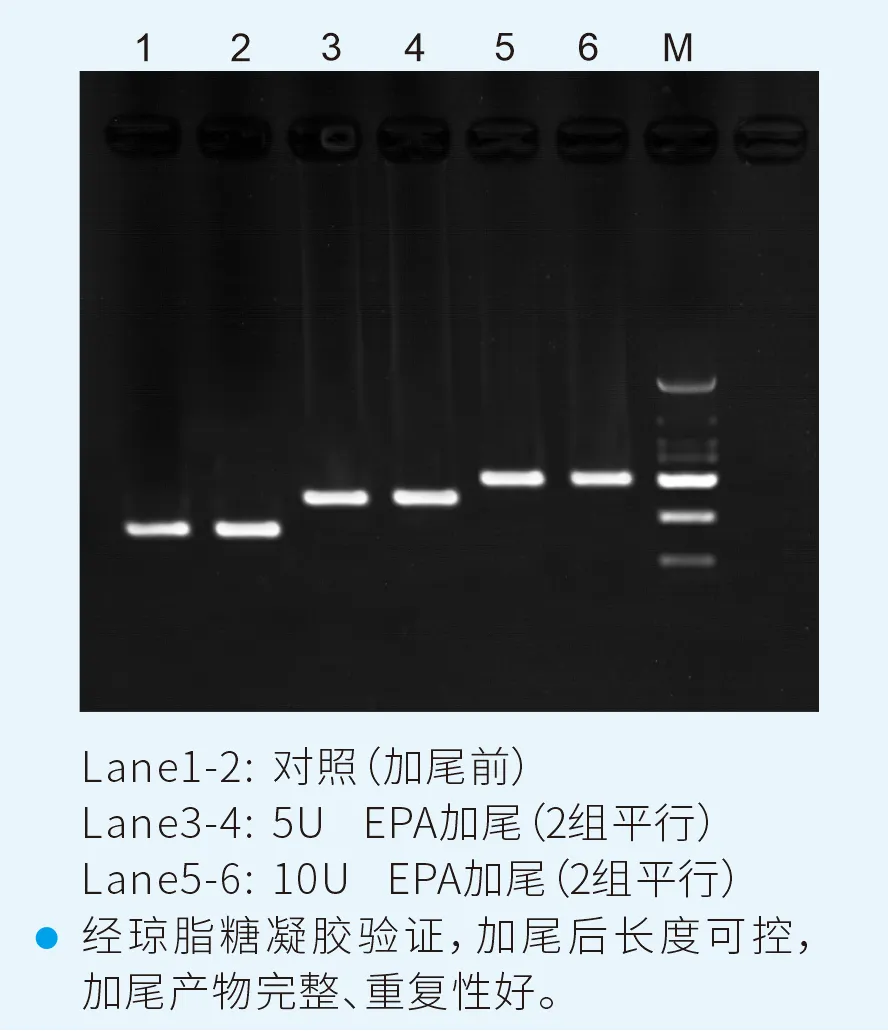
Figure 9 shows that it can be stably formed by controlling the enzyme amount
Products with different poly(A) tail lengths
Appendix: The Development History of mRNA Applications
The application of mRNA is not a very new field. Over the past 40 years since Professor Dimitriadis first delivered liposome-encapsulated mRNA into cells in 1978, the development of mRNA technology has been inseparable from the hard work of hundreds of researchers, who have laid a solid foundation for the large-scale application of mRNA today.
The application of modified nucleotides effectively reduces the strong immunogenicity of mRNA, enabling mRNA synthesized in vitro to avoid being cleared by the immune system in vivo. The development of capping enzymes and cap analogues provides us with a rich range of options for preparing mrnas with structures similar to those in vivo in vitro. The ever-changing lipid delivery technology has been continuously evolving and has finally found application today. The breakthroughs in a large number of fundamental research works and the updates of various technologies have greatly promoted the development of mRNA application fields.

0756-8699969
Address: No. 88, Shuian 1st Road, Nanping Science and Technology Park, Xiangzhou District, Zhuhai City, Guangdong Province
Email: marketing@biori.com
Wechat official account |
Product consultation |
Join us |
Video Account |