1. Concept
Definition: Antibodies are Y-shaped proteins composed of immunoglobulins (Ig), which can specifically recognize and bind to antigens, activate the complement system, and mediate immune cells to clear pathogens. Composed of two heavy chains and two light chains, the molecular weight of the Ig heavy chain is approximately 50 to 75kDa, and it is made up of 450 to 550 amino acid residues. The molecular weight of Ig light chain is approximately 25kDa. According to the differences in heavy chains, Ig can be classified into five classes: IgM (μ), IgD (δ), IgG (γ), IgA (α), and IgE (ε). It can also be divided into subcategories. For instance, IgG can be classified into IgG1, IgG2a and IgG3, etc. According to the differences in light chains, Ig can be classified into κ type and λ type (which can be identified by commercial antitype detection reagents).
2. Structure
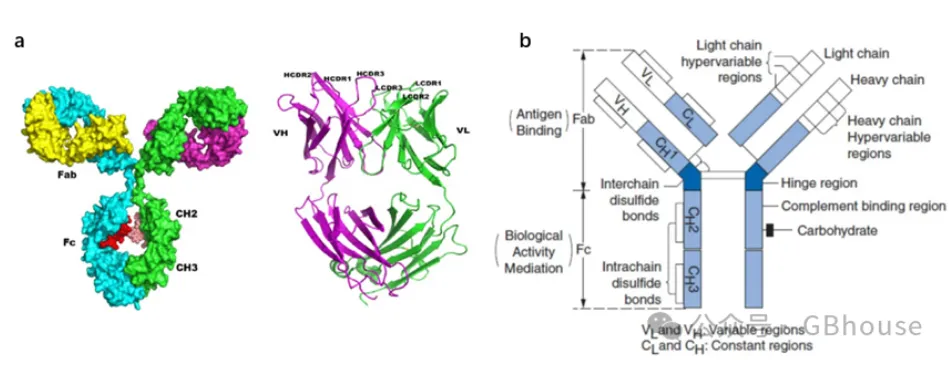
Figure 1: Structure and Function of Monoclonal antibodies
3. Function
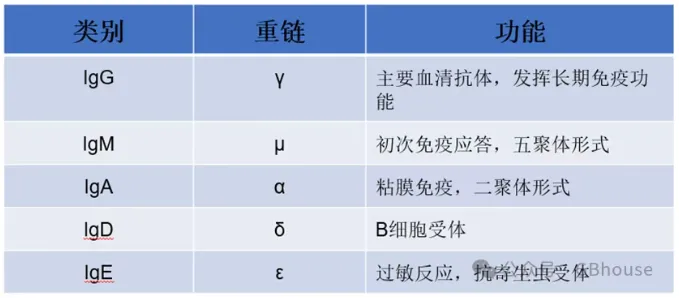
Table 1: Functions of Different Types of Antibodies
1. Types and Preparation of antigens
Types and preparation methods of antigens
Peptide antigenPeptides can effectively enhance the specificity of antibodies for a certain region of an antigen. When recombinant proteins are difficult to express or purify and there are no antigens from other sources, customized peptide synthesis services provided by commercial companies can be chosen. The use of polypeptide immunogens is limited because their linear epitope sequences are short. Antibodies produced by polypeptides tend to recognize linear epitopes and usually cannot recognize protein conformations, thus being less likely to react with natural molecules. Peptide antigens, due to their short length, are regarded as hapantigens and need to bind to carrier proteins (such as bovine serum albumin and ovalbumin) to enhance their immunogenicity. For peptides smaller than 3kDa, this binding is considered necessary. For any peptide not exceeding 10kDa, this binding may be beneficial
Protein antigenProtein antigens can be obtained by isolating tissues and cell cultures, but this method is time-consuming, has low yield and poor specificity. With the development of recombinant expression technology, multiple systems such as prokaryotes (Escherichia coli), insect cells (baculovirus), yeasts (Saccharomyces cerevisiae and Pichia pastoris), and various mammalian cells can be utilized for fermentation culture, and the fermentation products can be purified to obtain the target antigen. The general process of recombinant expression is as follows: ① Determine the antigen sequence and analyze the structure of the antigen; ② Determine the host of expression; ③ Select the expression vector required by the host; ④ Plasmid transformation and fermentation culture; ⑤ Purification, analysis and identification of antigens; ⑥ Immunity. The recombination and expression of prokaryotic and eukaryotic cells is a vast area of content, which will be specifically shared in a later article.
Whole-cell immunityFor natural antigens that are usually expressed on the cell surface, using whole-cell antigens to prepare antibodies is a good choice. As for membrane proteins that are exogenous expressed in cell lines, if the cell line is derived from the species used to produce the antibody (if it is a mouse, it should be the same strain), then in recombinant cells, except for the expressed recombinant antigen, other components should have no immunogenicity. This cell line is capable of post-translational modification of recombinant antigens to make them resemble natural proteins and present the relevant conformational epitopes of the antigens on the cell surface.
Genetic immunityWhen recombinant proteins cannot be expressed, antibodies can be prepared by inoculating gene vaccines, mainly including the following three types: ① Plasmid DNA: Commercial mammalian expression plasmids with strong promoters, such as pVAX1 and pCI plasmids, can be selected to immunize mice with gene guns or syringes. It should be noted that the antibody titer of this method may be relatively low. ② Adenoviruses/adeno-associated viruses/lentiviruses, etc. : Viral vectors have higher protein expression levels in the body, so the antibody titers they induce are also higher. Commonly used ones include the AdEasy system, etc. ③ mRNA vaccines: By preparing mRNA in vitro and encapsulating it with delivery systems such as LNP for mouse immunization, the antibody titer produced is also very high (the author has tried this method before and has relatively rich experience in mRNA vaccine research).
2. Adjuvant:When preparing monoclonal antibodies and immunizing animals with protein antigens, adjuvants need to be used in combination to obtain higher antibody titers. Commonly used adjuvants include Freund's adjuvant (water-in-oil adjuvant) and aluminium adjuvant (aluminium hydroxide), etc. In recent years, new types of adjuvants such as water adjuvants have also emerged. Depending on whether it contains BCG vaccine, Freescher's adjuvant is divided into Freescher's complete adjuvant and Freescher's incomplete adjuvant (without BCG vaccine). Freescher's complete adjuvant is only used for primary immunization, and subsequent immunization will cause serious damage at the injection site. The preparation method of Freescher's adjuvant is as follows:
Emulsification using a syringe
Freesier's complete adjuvant (or Freesier's incomplete adjuvant) can be emulsified under aseptic conditions with two syringes, and then only the syringe needle needs to be added for injection.
MaterialFryer's complete adjuvants (water-in-oil type, paraffin oil, lanolin, BCG) or Fryer's incomplete adjuvants (water-in-oil type, paraffin oil) Lanolin, protective glasses, two reusable syringes of the same model with Luer-lock (3,5,10ml), double-well emulsified connectors with Luer-lock, antigen (dissolved in water or other appropriate diluents), gloves, beaker (containing pre-cooled tap water).
Experimental procedures
Calculate the amount and volume of the antigen required each time. When subcutaneously or intramuscularly injected, each mouse should have 5 to 100μg of antigen each time, with an injection volume of less than 200μl. When injected intraperitoneally, the injection volume for each mouse is 200 to 500μl each time. Strong detergents can weaken the emulsifying effect. Prepare approximately 50% more antigen than the final required amount.
② Select the syringe based on the total volume of the added materials. The total volume of the adjuvant and antigen should be approximately half the volume of the syringe. For instance, when preparing 2.5ml of vaccine, emulsify it with a 5ml syringe.
③ Before use, preheat the Freund's complete adjuvant (or incomplete Freund's adjuvant) at 37℃, shake for 1 to 2 minutes or turn the bottle over several times by hand to evenly resuspend Mycobacterium tuberculosis. Draw the required volume of Freesier complete adjuvant or Freesier incomplete adjuvant into the syringe, connect the syringe to the double-hole connector, and expel the air (excessive air will hinder the formation of a stable emulsifier).
④ Draw the water-soluble antigen into another syringe and expel the air (excessive air can hinder the formation of a stable emulsifier).
⑤ Connect the syringe with the antigen to one end of the double-hole connector. Make sure that both syringes are safely fixed on the double-hole emulsifying joint by Luer-lock.
⑥ Steadily push the piston to allow all the antigen solution to pass through the double-well connector and mix with the Freund complete adjuvant or Freund incomplete adjuvant. Alternate with each other and continuously transfer the mixture from one syringe to another
Continue emulsifying according to the above steps until a stable emulsifier is formed. This will take several minutes. Push a small drop of the emulsifier into a beaker filled with water. The small droplets should form stable oil droplets on the water surface. If the emulsion drops onto the water surface and disperses, the syringe needs to be reassembled to continue emulsification.
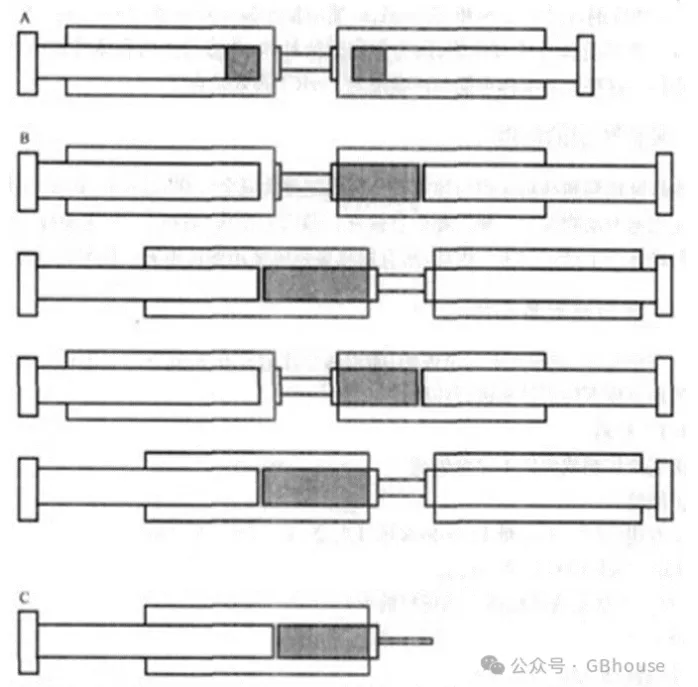
Figure 2: Schematic diagram of syringe emulsification.
A. Firmly connect the syringe to the double-hole connector via Luer-lock.
B. First, push the water-soluble antigen solution into the oil. Then, push the mixture through the joint alternately.
C. After a stable emulsifier has formed, remove the connector and replace it with an injection needle, or transfer the emulsifier into a 1ml syringe for future use.
3. Use ultrasonic emulsification
MaterialFreesier complete adjuvants (water-in-oil type, paraffin oil, lanolin, BCG) or Freesier incomplete adjuvants (water-in-oil type, paraffin oil, lanolin), sterile polypropylene tubes, protective glasses, syringes, antigens (soluble in water or PBS), ultrasonic probes, gloves, beakers (ice bath).
Experimental procedures
Calculate the amount and volume of antigen required for each injection. When administered subcutaneously or intramuscularly, each mouse should be given 5 to 100μg each time, less than 200μl. When injected intraperitoneally, 200 to 500μl is administered to each mouse each time. Detergents can weaken emulsification and should be avoided. Prepare approximately 50% more vaccine than the required amount.
② Before use, preheat the Freund's complete adjuvant or incomplete adjuvant at 37℃, shake vigorously for 1 to 2 minutes, or rotate the bottle by hand several times to evenly resuspend Mycobacterium tuberculosis. Transfer the Freund complete adjuvant and an equal volume of water-soluble antigen into a sterile polypropylene tube.
③ Ultrasonic treatment can generate a large amount of heat, which can cause denaturation of protein antigens. To prevent the mixture from overheating, place the polypropylene tube on ice during ultrasonic treatment or in an interval. Each interval should be 5 to 20 seconds. Adjust the height of the tubes up and down to ensure uniform emulsification of the entire mixture. Please wear earplugs when operating.
④ Reverse the polypropylene tube to determine the consistency of the emulsifier. Continuous emulsification, intermittent for 10 seconds, until a stable emulsifier is formed. Emulsification is completed when the emulsifier remains stationary in the inverted tube or forms stable oil droplets on the water surface
⑤ Draw the emulsifier into a 1ml syringe or transfer it into a 1ml syringe using the Spack and Toaves transfer techniques. The specific steps are as follows: Remove a sterile push core from one syringe, with the core head size matching the diameter of the tube where the emulsifier is located. Wipe the bottom of the tube with ethanol to sterilize it. Then, use a sterilized No. 18 needle to make a hole at the bottom of the tube. Hold the top of a 1ml sterile syringe with the plunger removed and directly align it with the hole at the bottom of the emulsifier tube. Use a sterile plunger of the appropriate size to push the emulsifier inside the tube from the bottom into the 1ml syringe
4. Immune Strategy:
A typical immune strategy relies on repeated stimulation of antigens to enhance specific immune responses and mature them. The commonly used immunization strategy is as shown in the figure. If Freesier's adjuvant is used, the primary immunization should use Freesier's complete adjuvant (containing BCG vaccine), and the subsequent booster immunization should use Freesier's incomplete adjuvant. After the two booster immunizations are completed, the antibody titer is determined by ELISA/ flow cytometry/co-immunoprecipitation/neutralization assay (different methods are selected based on the characteristics of the prepared monoclonal antibodies) to determine whether a third booster immunization is needed or to directly conduct impulse immunization. The most effective way of shock immunization before fusion is intravenous injection. If the antigen is not suitable for intravenous injection (such as when the antigen is granular or the buffer component it contains may be toxic), intraperitoneal injection of the antigen without adjuvant can be used for shock immunization.
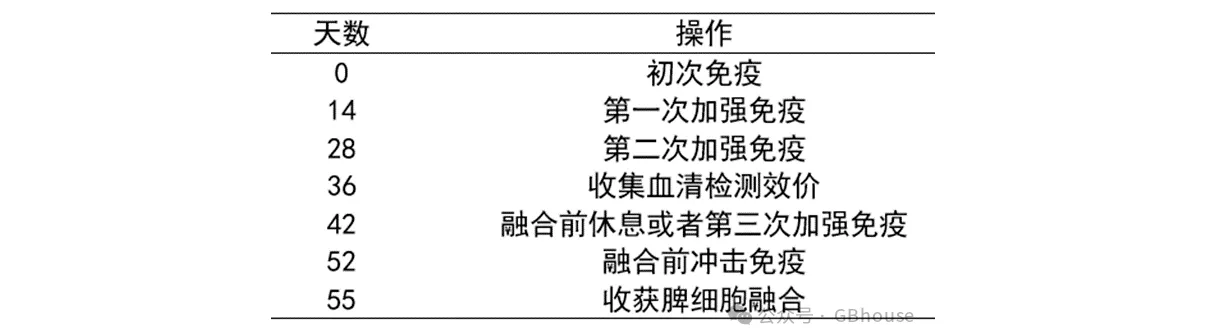
Table 2: Time Flow of Animal Immunization
5. Polypeptide antigen immunization strategy
1) Mouse:BALB/c, female, 6 to 8 weeks old.
Primary immunity:Take 50μg of polypeptide and add 10μg of Freesch's complete adjuvant, then add phosphate buffered saline (PBS) to a total liquid volume of 200μl, and inject intraperitoneally.
Booster immunization (at least twice) : Take 50μg of polypeptide and add 10μg of incomplete Fraser's adjuvant, then add PBS to a total of 200μl. Inject intraperitoneally once every 3 to 4 weeks.
Last immunization: Intraperitoneal injection of 100μg of polypeptide (without adjuvant; if the fluid volume is small and sufficient, intravenous injection can be given), and the spleen should be removed 3 to 4 days later.
2) Domestic rabbitNew Zealand white rabbit, female, 8 weeks old
Primary immunityTake 0.4mg of polypeptide and 0.1mg of muramyl dipeptide (MDP) adjuvant, add PBS to a liquid volume of 1ml, then add an equal amount of Fossa complete adjuvant, mix well and emulsify, and inject subcutaneously (4 sites: both groin and armpit).
Four weeks later, the first booster immunization: Take 0.2mg of the polypeptide, add PBS to a total liquid volume of 1ml, then add an equal amount of incomplete Fraser's adjuvant, mix well and emulsify, and inject subcutaneously (four sites: both groin and armpit).
The second and subsequent booster immunization: Take 0.1mg of polypeptide and add 50 to 100μl of PBS without adjuvant, intravenously, once every 4 weeks; Blood samples can be collected 5 to 7 days after the last booster shot, and 20ml of serum can be obtained.
Antibodies produced by polypeptides should have serum collected for testing during the booster immunization period after pre-immunization. Enzyme-linked immunosorbent assay was conducted using peptide-coated reaction plates without carrier binding to distinguish whether the immune response was caused by the peptide or the carrier. Therefore, only a portion of the polypeptides should be combined with the carrier, while some of the polypeptides should be retained for the above experiments.
6. Protein antigen immunization strategy
1) Mouse:BALB/c, female, 6 to 8 weeks old.
Primary immunization: Take 25 to 50μg of protein and add 10μg of Fraser complete adjuvant, then add phosphate buffered saline (PBS) to a total liquid volume of 200μl, and inject intraperitoneally.
Booster immunization (at least twice) : Take an equal amount of protein and add 10μg of Fossa's incomplete adjuvant or other adjuvants (such as the adjuvant prepared from the ascites of Boao Long), add PBS to a total of 200μl, and administer intraperitoneal injections at intervals of 3 to 4 weeks.
Three to four days after the last booster immunization, the spleen should be removed.
2) Domestic rabbitNew Zealand white rabbit, female, 8 weeks old
Primary immunization: Take 0.4mg of protein and 0.1mg of muramyl dipeptide (MDP) adjuvant, add PBS to a liquid volume of 1ml, then add an equal amount of Fossa complete adjuvant, mix well and emulsify, and inject subcutaneously (4 sites: both groin and armpit).
Four weeks later, for the first booster immunization, take 0.2mg of protein, add PBS to a total liquid volume of 1ml, then add an equal amount of incomplete Fraser's adjuvant, mix well and emulsify, and inject subcutaneously (four sites: both groin and armpit).
The second and subsequent booster immunization: Take 0.1mg of polypeptide and add 50 to 100μl of PBS without adjuvant, intravenously, once every 4 weeks; Blood samples can be collected 5 to 7 days after the last booster shot, and 20ml of serum can be obtained.
7. Whole-cell antigen immunization strategy
MouseBALB/c, female, 6 to 8 weeks old. Intact cells usually have strong immunogenicity and do not require the assistance of adjuvants. After washing the cells three times with PBS, suspend them in PBS at an appropriate concentration. The typical dose for immunizing micefor
2×10⁶ to 50×106 cells, intraperitoneal injection (0.4ml, 108 cells /ml), in addition, intravenous injection with a dose of 0.1ml (concentration of 108 cells /ml) can also be used.
Booster immunization with similar doses should be administered at intervals of 3 to 8 weeks.
Take the spleen 2 to 4 days after the last immunization.
8. Gene immunity strategy
Immunization of plasmid expression vectors
There are many methods for immunografting plasmid expression vectors. The standard immunization schedules for mice and rabbits are as follows.
1) Mouse:BALB/c, female, 6 to 8 weeks old.
Dosage: 100μg each time.
Immunization route and dosage: One method involves intramuscular injection of 50μl (using a tuberculin syringe and a No. 28 needle) into the anterior tibial (tibial) muscle of each hind leg of the mouse, with a total dose of 100μl. Another method is to inject 100μl intradermal at the bottom of the mouse's tail. Subcutaneous injection of DNA is ineffective.
Plan: Immunize 4 times, with an interval of no less than 10 days between each session. It is best to immunize once every 3 weeks. The titer of serum antibodies needs to be monitored before each immunization. Three to four days after the last immunization, the spleen was taken to prepare hybridoma cells.
2) Domestic rabbitNew Zealand white rabbit, female, 8 weeks old.
Dosage: 1mg per time.
Immunization route and dosage: Inject 200μl intramuscularly into each quadriceps tibia muscle of the hind leg of rabbits or intradermal injection into multiple areas of the back where the fur has been cut off, with 100μl in each area, until the total amount is reached.
Plan: At least four immunizations are required, and more can be given if necessary, once a month. Blood samples were collected three weeks after each vaccination to monitor the titer of serum antibodies.
Immunization against adenovirusBecause they lack the E1 gene, these recombinant adenoviruses cannot replicate in immunized animals and do not produce progeny particles. However, materials used in both laboratories and animal rooms should be handled under biosafety level II standards (BL-2). The quantification of each batch of adenovirus can be expressed as "total particle count /ml" (but not all can be counted), or as "infectious unit (plaque forming unit, pfu)/ml". If it is used for immunization, it is more appropriate to use "plaque forming units /ml" (pfu/ml) for quantification.
1) Mouse:BALB/c, female, 6 to 8 weeks old.
Dosage: The optimal dosage will vary depending on the specific antigen, but it is reasonable to administer 106 to 108pfu(dissolved in PBS at an appropriate concentration) to each mouse to test the immune response. Before vaccination, thawed adenovirus should be stored in an ice bath.
Immunization route and dosage: Intramuscularly inject 50μl(using tuberculin and No. 28 needle) into the tibialis anterior muscle of each hind leg of mice, with a total amount of 100μl. Another method is to inject 100μl intradermal at the bottom of the mouse's tail. When immunizing with adenovirus, compared with subcutaneous injection, intramuscular injection and intradermal injection can induce a stronger antibody response.
Plan: Two immunizations, with a 3-week interval. Because virus-neutralizing antibodies have been induced in the animals' bodies, further immunization will not enhance the intensity of the response. Three to four days after the last immunization, the spleen was taken to prepare hybridoma cells.
2) Domestic rabbitNew Zealand white rabbit, female, 8 weeks old.
Dosage: 107 to 109pfu, diluted to an appropriate concentration with PBS. Before vaccination, thawed adenovirus should be stored in an ice bath.
Immunization route and dosage: Inject 200μl intramuscularly into each quadriceps tibia muscle of the hind leg of rabbits or inject 100μl intradermal into multiple areas of the skin where the fur has been cut off, until the total amount is reached.
Plan: Two immunizations, with a 3-week interval. Because virus-neutralizing antibodies have been induced in the animals' bodies, further immunization will not enhance the intensity of the response.
3.mRNAImmunization with vaccines
MouseBALB/cMouse, female6 ~ 8Zhou Ling.
u Dosage: According to the prepared dosagemRNAThe immunogenicity of the vaccine determines the optimal dose (generally)1-10μgThe author once used it10μgthemRNA-LNPImmunize mice by intramuscular injection and administer two doses. The antibody titer is relatively high. Subsequently, a third booster shot was administered using protein antigens, achieving excellent antibody titers and successfully preparing monoclonal antibodies (experiments have not been conducted on rabbits).The experimental guide for preparing monoclonal antibodies by this method is summarized by the author through his own experimental attempts and is only for reference. If you want to discuss the technical details, you can add the author's wechat for discussion。
2.3Hybridoma cell fusion
2.3.1Culture of myeloma cells
Before each cell fusion, a new tube of myeloma cells should be resuspended. The culture time of the cells before fusion should not exceed two weeks and should always be maintained in the logarithmic growth phase with a density not exceeding105A cell/ml. Myeloma cells are usually treated with containing10% FBStheRPMI 1640Culture in complete medium and subpassage weekly2 ~ 3Second, make its density be12.5 X 104~ 1 X 10⁵A cell/ml. At the same time, some myeloma cells should be cultured in the containingHATIn the selected culture medium, it is determined whether all cells will die, whether myeloma cells are contaminated, and whether the selected reagents are effective, etc. Use serum-free before fusing with spleen cellsRPMI 1640Wash the myeloma three times, remove the proteins in the culture medium, and resuspend the myeloma cells in serum-free medium to a concentration of1 X 107A cell/mlThe viability of myeloma cells should be greater than95%。
2.3.2SpleenBPreparation of lymphocytes
① When the determined serum titer is significant (>1:1000In actual situations, the higher the serum titer, the better. Based on experience, when the titer exceeds1:10000At that time, more reasonable immunized animals can provide spleen extraction for preparationBCells fuse. Inhalation for animalsCO2Or remove the neck and put to death, use75%It is disinfected by soaking in alcohol5For minutes, the tissues were taken under aseptic conditions. The mice were treated with sterilized scissors and the spleen was removed. The spleen was placed in a sterile culture dish, and the fat and connective tissue adhering to the surface of the spleen were cut offRPMI 1640Wash the spleen with the basic medium.
② Put the cleaned spleen into a sterile filter.200In the first step, use scissors to cut the spleen into small pieces, gently grind the spleen with the rubber piston of a syringe, and then add it5 mL RPMI 1640Resuspend the ground spleen cells in the basic medium and inhale the cell suspension50 mLCentrifuge in sterilized centrifuge tubes4℃,1200 rpm,10 minDiscard the supernatant and repeat the washing of spleen cells three times. Use an appropriate amountRPMI 1640Resuspend the cells in the basic medium, detect the cell density and viability, and adjust the cell density to107a/mLStandby.
2.3.3Preparation of feeder layer cells
① The day before cell fusion, take it5Only those who are not immuneBALB/cFemale mice, cervical vertebrae sacrificed75Disinfect by soaking in % alcohol5 min. Under sterile conditions and operation, the abdominal skin of the mouse was cut open with a dissecting scissors to expose the peritoneum, and the peritoneum was aspirated with a syringe5 mL RPMI 1640For the basic culture medium, carefully insert the needle into the peritoneum (do not puncture the intestinal tube), and draw the liquid back and forth to rinse the abdominal cavity of the mouse.
② Transfer the peritoneal lavage fluid50 mLSterile centrifuge tubes, continue to add the basic culture medium until25 mLCentrifugation1200 rpm×10 minDiscard the supernatant, repeat the operation once, and add an appropriate amount20% FBS HATSelect the culture medium to resuspend the cells.
③ Each hole100mLJoin10block96In the well cell culture plate, place37 ℃、5%CO2The cell incubator is ready for use.
2.3.4Hybridoma cell fusion and screeningBefore cell fusion, all materials and equipment should be prepared, and the components of the culture medium should be preheated to an appropriate temperature.
(Figure 3: Hybridoma cell fusion process)
NoteThe ratio of spleen cells to myeloma cells is usually2:1 to 10:1;
The culture medium is available.DMEMOrRIPA-1640;
merge2~3dLater use20% FBS HATSelect the culture medium for half-volume medium change. Start observing the cell fusion under an inverted microscope from the fourth day after fusion, and mark the culture Wells with hybridoma cell clones. If the fusion efficiency is too low, re-fusion is required. stay96Hybridoma cells in the well cell culture plate were cloned into the entire well field of viewA quarterWhen the above points are met, the screening of positive hybridoma cells can be carried out.
2.4Screening and monoclonal cloning of hybridoma cells
"UtilizeELISA/Positive hybridoma cells successfully cloned through flow cytometry and other screening methods (the author has only done this.ELISAPositive clones screened by the limited dilution method
Against 2.4.1Positive screening of hybridoma cells
①All cell plates were initially screened after cell fusion, and the positive Wells obtained from the initial screening were used for subsequent tests.
② When the cells are cultured to the bottom of the cell Wells, they can be seenA quarterWhen there are colonies of hybridoma cells of the above area, take the cell supernatant and use the indirect methodELISAMethod of detection: Negative serum was used as the serum of unimmunized mice, and the blood from the eyes of immunized mice was used as the positive serum.
2.4.2Reverse screening of positive hybridoma cells
If further testing of the specificity of the serum is required, reverse screening testing can be carried out, that is, using other components that do not contain the target antigen as a plate to test whether the serum is negative.
2.4.3Limited dilution method for cloning hybridoma cells:To screen out individual hybridoma cells, the limited dilution method can be used for operation (or flow cytometry can be used for sorting).
① The day before the cloning of hybridoma cells, prepare feeder layer cells and place them in a cell culture incubator for later use.T=37℃,5% CO2)。
② Utilize indirectELISAScreen out the positive well cells and gently mix them by pipetting in a sterile operating environment for cell counting. Continuously dilute according to the number of cells and adjust to3 ~ 10A cell/ml"10ml/Dilute the cells of the plate according to100μl/The Wells are added to those pre-prepared and lined with feeder layer cells96Culture is carried out in a well plateT=37℃,5% CO2" One week later, the supernatant of monoclonal hybridoma cells with only one cell colony in the well was performedELISAFor detection, continue with the limited dilution cloning as per the above steps3-4Next, up to each piece96The indirect supernatant of all monoclonal cell lines in the well cell plateELISAAll the test results were positive and the cloning was terminated.
③Transfer the screened positive monoclonal hybridoma cells to24Culture in the well plate until the cells are fully grown and then transfer toT25Expand the culture in the cell flask and then transfer it toT75Bottles are needed for expanded culture throughout the entire processELISADetect the passage stability of hybridoma cells.
0756-8699969
Address: No. 88, Shuian 1st Road, Xiangzhou District, Zhuhai City, Guangdong Province
Email: marketing@biori.com
Wechat official account |
Product consultation |
Join us |
Video Account |