Still worried about extracting RNA from polysaccharide and polyphenol plants?
Still enduring Trizol's pungent phenol chloroform, β -mercaptoethanol, and DTT's toxic reagents?
Still spending forty or fifty minutes waiting for RNA extraction?
Still using two processes to extract simple plant and polysaccharide polyphenol plant RNA?
Do I still need to purchase DNase I to remove genomic contamination?
The new BR2B202 plant RNA Rapid Extraction Kit from Baorui Biology is now available, solving all problems with just one click!
The entire process contains no highly toxic reagents. A single sample can be extracted in just 11 minutes. It has a built-in DNA removal effect and is suitable for both common plants and those with difficult-to-extract polysaccharides and polyphenols. It can produce high-purity complete RNA and is suitable for various downstream high-end molecular experiments!
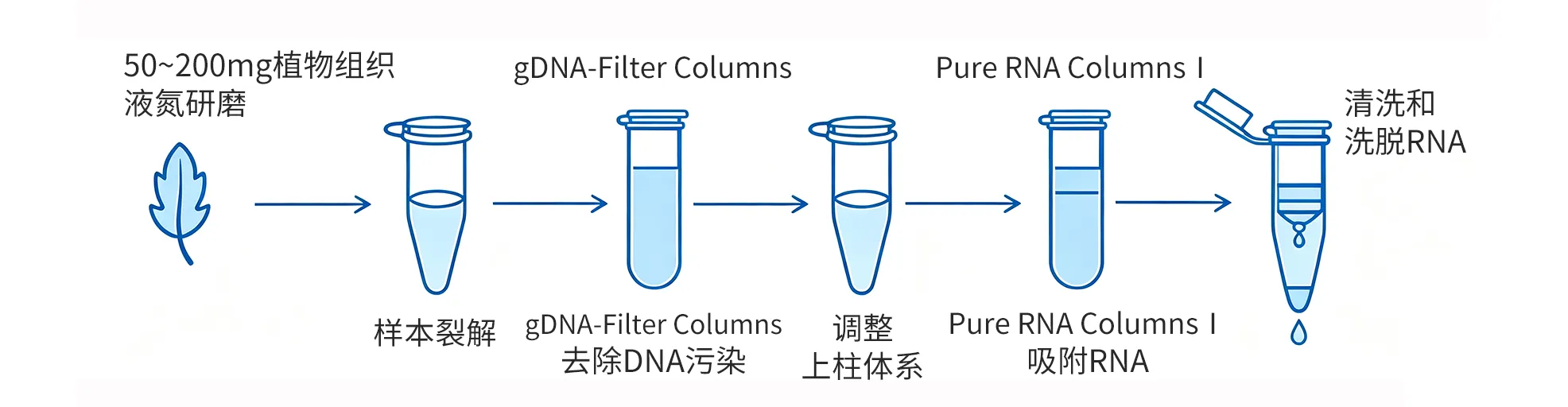
The core advantages of the product directly address the pain points of experiments
1. The reagents are safe and non-toxic, making the laboratory environment more friendly
It does not require irritating and toxic reagents such as phenol, chloroform, β -mercaptoethanol, and DTT. It eliminates the extraction step of strong corrosive and carcinogenic organic reagents, reduces waste liquid pollution, lowers the risk of poisoning and skin corrosion for laboratory personnel, and complies with modern laboratory biosafety management regulations.
2. Ultra-fast extraction speed, only 11 minutes for a single sample
The entire process has been significantly simplified, saving at least 30 minutes compared to the traditional Trizol method. The efficiency of batch sample processing has doubled. It is suitable for large-scale sample experiments such as population genetics, stress gradients, and time series, greatly releasing human resources and handling a large number of samples without any pressure.
3. A single lysate can kill both common and polysaccharide polyphenol plants
A single pyrolysis system can efficiently pyrolysis young leaves, fruits, seeds and fibrous plants that are difficult to extract. No additional DNase I needs to be added. The extraction process synchronously and efficiently removes genomic DNA, eliminating the need for a separate enzymatic hydrolysis step, reducing the risk of RNA degradation, and saving reagent costs.
4. The operation process is simple and there is no threshold for beginners
The integrated column extraction process has unified and fixed operation steps. The extraction results of different operators and different batches of samples have small differences. It solves the operational errors caused by traditional manual liquid preparation and complex stratification operations, facilitating the establishment of laboratory standard Sops, horizontal comparison of experimental results, and meeting the requirements of data repeatability in papers.
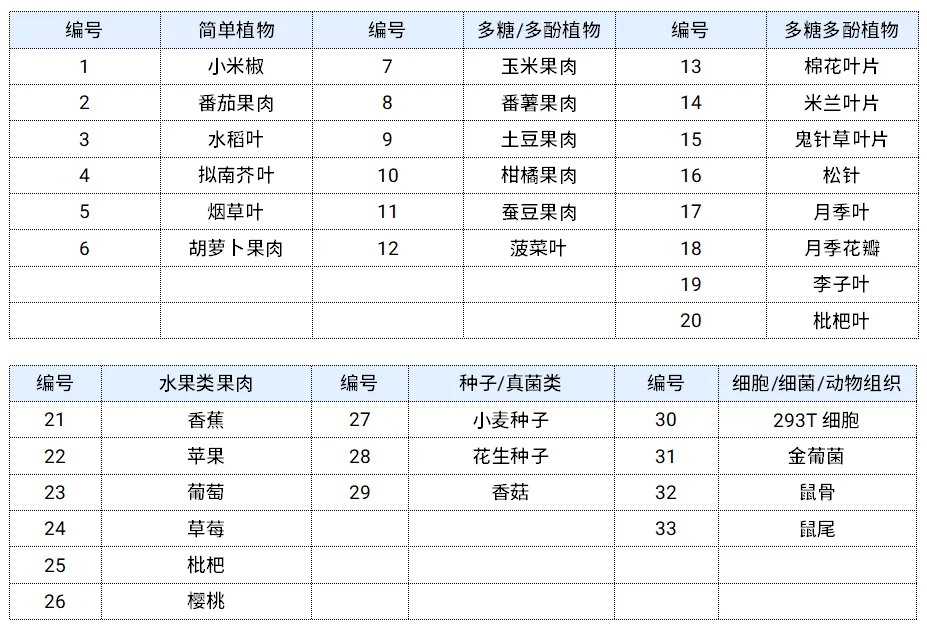
Ultra-wide sample compatibility, one set of reagent kits can be used for multiple purposes
Covering six major sample types, there is no need to purchase multiple extraction kits separately (over 30 samples have been verified)
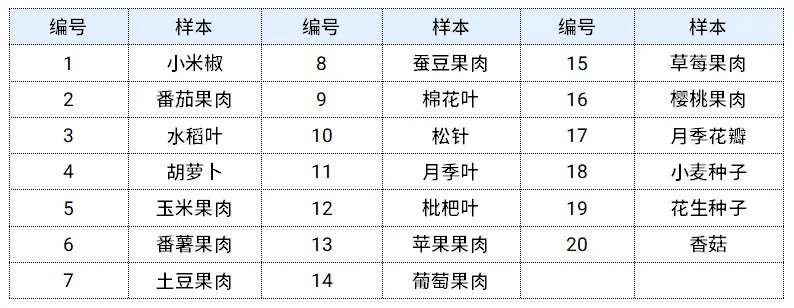
Comparison of measured dataIts performance is superior to that of competing products on the market
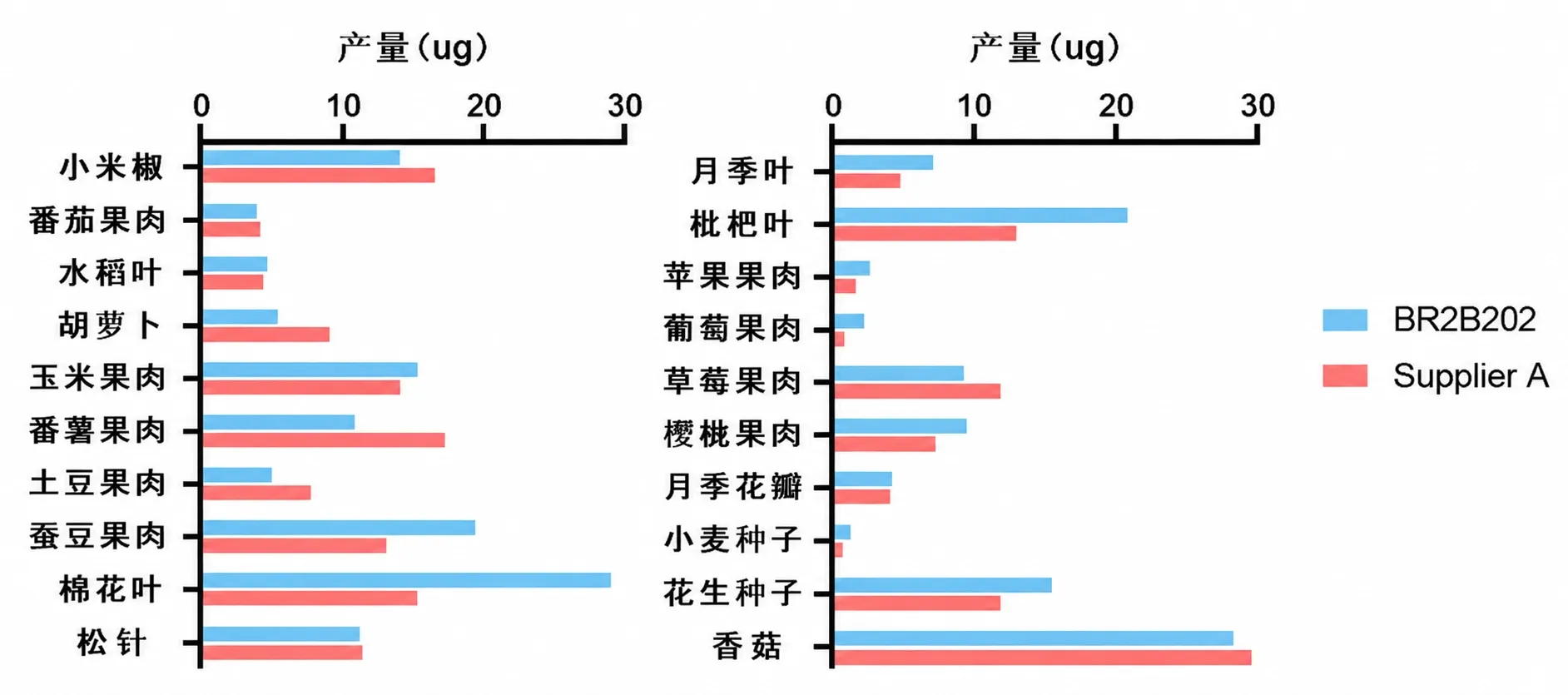
1. RNA production is on par with that of top brands
Summary: Total RNA was extracted from 20 different samples using Biori#BR2B202. The RNA yield obtained by Biori#BR2B202 was on par with that of A well-known domestic company A.
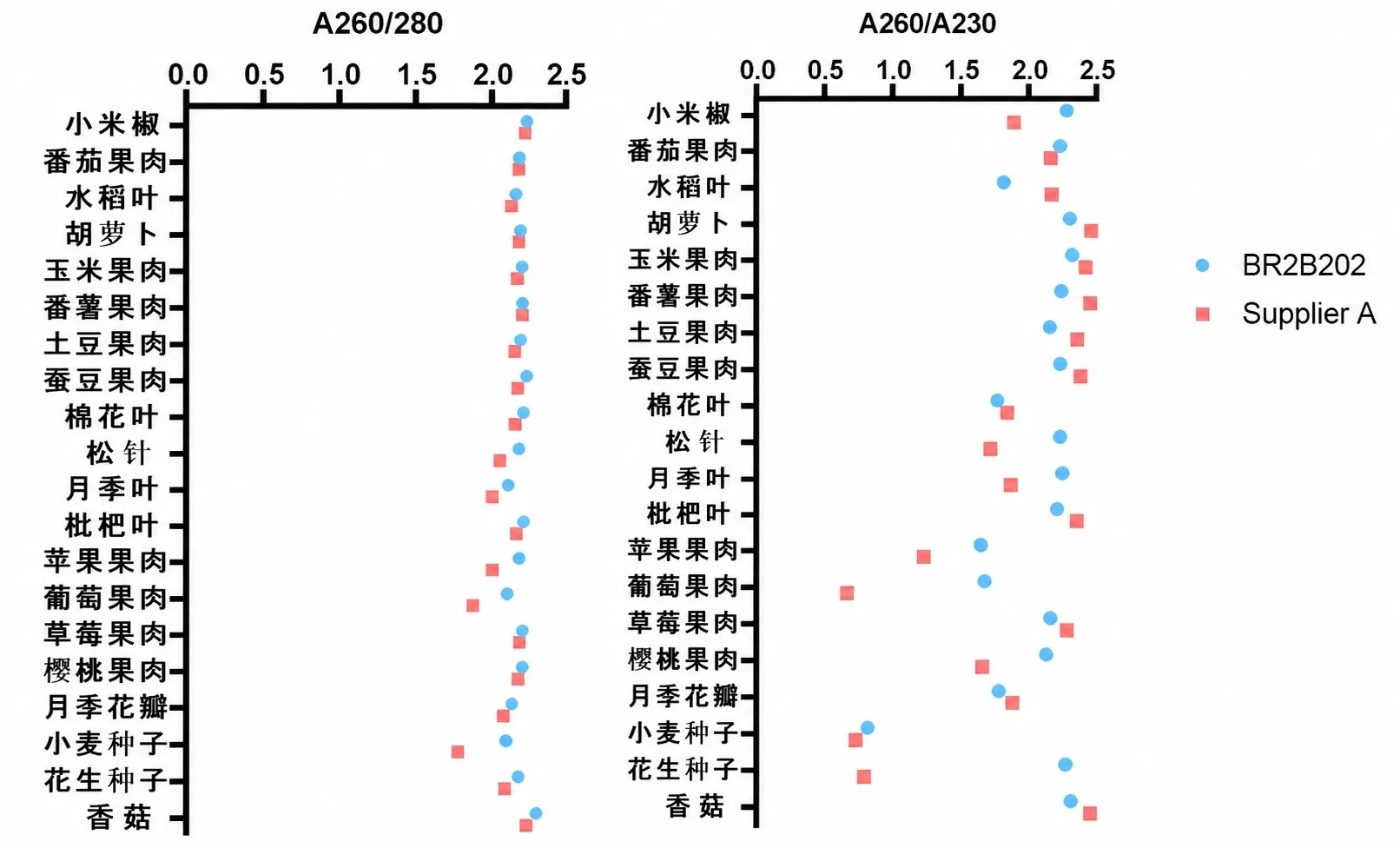
2. The RNA purity is superior and impurities are removed thoroughly
The A260/280 and A260/230 values perform exceptionally well, efficiently removing polysaccharides, polyphenols and proteins.
3. The RNA integrity is excellent, with no degradation and no genomic contamination
The electrophoresis detection bands were clear and complete, with A normal ratio of 28S to 18S. The entire process had a built-in DNA removal effect, and there were no genomic bands without DNase digestion. It was fully compatible with high-demand experiments such as transcriptome sequencing and fluorescence quantification (some RNA extracted by Supplier A showed obvious genomic contamination).

A trial size of 4T is available