one
The source of Taq enzyme
Taq DNA polymerase was isolated from aquatic thermophilic bacteria in the volcanic hot springs of Yellowstone National Park in the United States. These thermophilic bacteria survive in high-temperature environments ranging from 70 to 75 degrees Celsius. In 1988, Saiki et al. first applied Taq DNA polymerase to in vitro PCR amplification, not only achieving PCR automation but also enhancing product specificity by increasing annealing and extension temperatures1. In 1989, Lawyer et al. successfully fished out the full-length gene from a gene library. The gene was 2499bp long and had a GC% as high as 68%. Subsequently, it was cloned into Escherichia coli. After induction of expression and isolation and purification, pure Taq DNA polymerase was ultimately obtained2It has initiated its wide application in life science research.
two
The structure and function of Taq enzyme
Taq DNA polymerase has three main domains3:
5'-3' exonuclease domain (amino acid 1-289)
DNA polymerase can remove the activity of nucleotides one by one or segment by segment starting from the 5 'end of the DNA strand. This activity plays a significant role in processes such as DNA replication, repair and recombination.
3'-5' exonuclease domain (amino acid 294-422)
Although this domain is similar to the corresponding domain of Escherichia coli polymerase I, Taq DNA polymerase does not have 3'-5' exonuclease activity, which may be due to the differences in certain key amino acids. It has 3 '→5' exonuctase activity, which can correct the mismatched bases in DNA synthesis and improve the replication accuracy.
5'-3' polymeric active domain (amino acid 424-831)
This is the main functional area of Taq DNA polymerase, responsible for the synthesis of DNA strands.
three
Classification of Taq enzymes
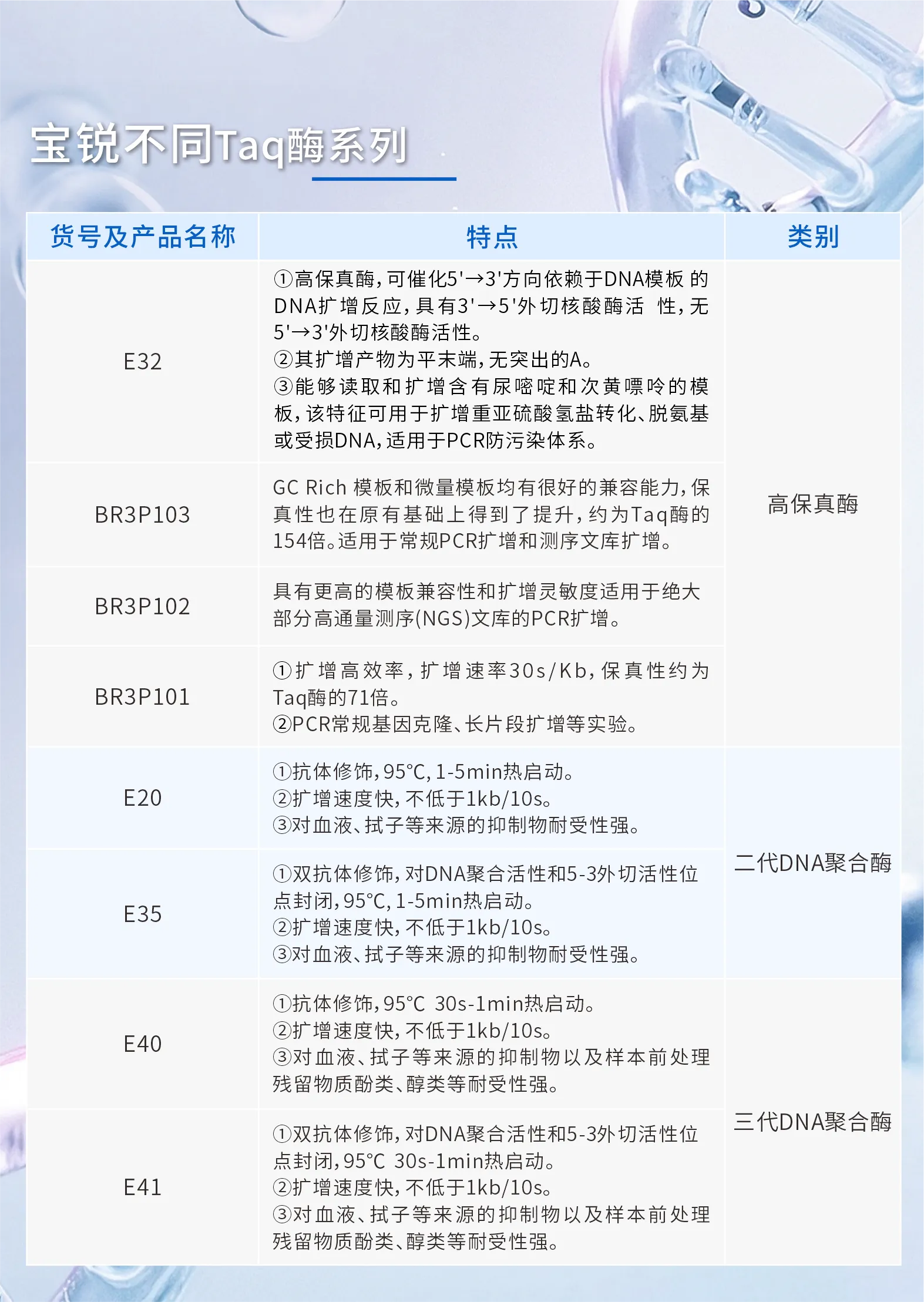
1. Common Taq enzyme
It has 5 '-3' polymerase activity and 5 '-3' exonuclease activity, but does not have 3 '-5' exonuclease activity.
It is mainly applied in simple gene fragment amplification, for example: 1) Obtaining specific gene fragments from known templates for subsequent preliminary research such as cloning and expression analysis; 2) To study the expression of a specific gene in a certain plant, the gene fragment was amplified by PCR. The common Taq enzyme can rapidly and massively replicate the target DNA, providing sufficient materials for subsequent experiments. 3) In genotype identification experiments, by amplifying specific gene loci, an individual's genotype is determined based on the size and sequence characteristics of the amplification products.
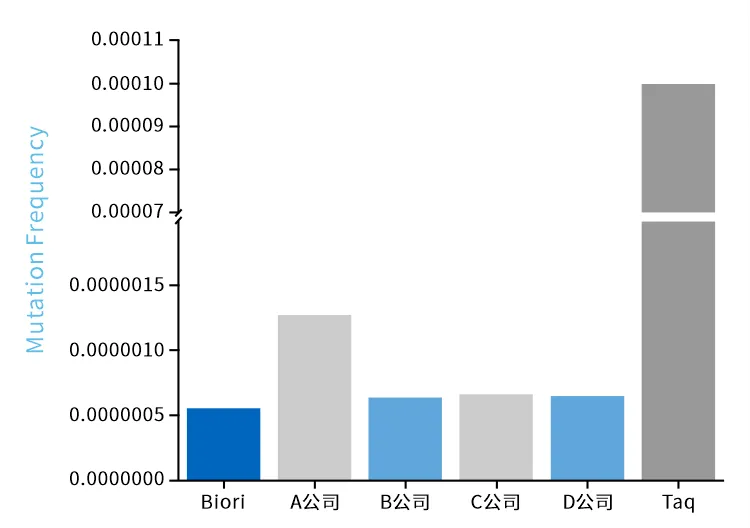
The mismatch rate of common Taq enzymes is relatively high, approximately 10⁻⁵ bases per cycle number4This means that some incorrect bases may be introduced during the amplification process, so it is not very suitable for experiments with extremely high fidelity requirements.
2. High-fidelity enzymes
The emergence of high-fidelity enzymes is precisely to address the high mismatch rate of common Taq enzymes. Its mismatch rate can be reduced to the order of 10⁻6, which is attributed to its 3 '-5' exonucidase activity. It can correct the wrongly incorporated bases during DNA synthesis, just like a strict "calibrator", ensuring the high accuracy of the amplified DNA sequence.
3. Hot-start Taq enzyme
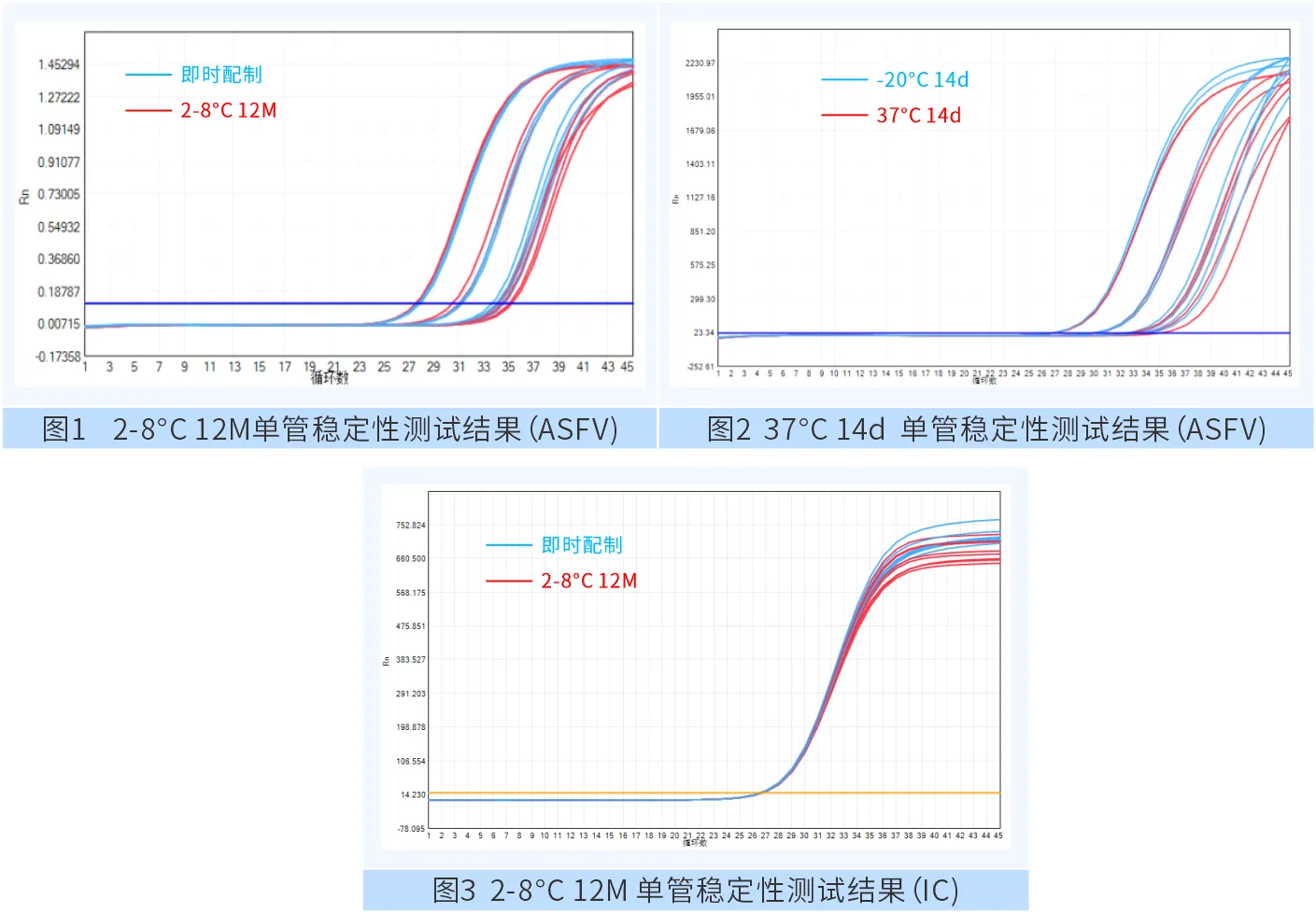
The most distinctive feature of the hot-start Taq enzyme is that it has no activity at room temperature and only takes effect after being activated at high temperatures. This characteristic greatly enhances amplification in PCR experimentsSpecificity and stability under fully premixed conditions with probing。
Take the M2071 fully premixed DNA system modified by Baorui Antibody as an example. It can support stability at 37℃ for 14 days with the introduction probe. Stable at 2-8℃ and 12M.

4. Ultra-long fragment amplification of Taq enzyme
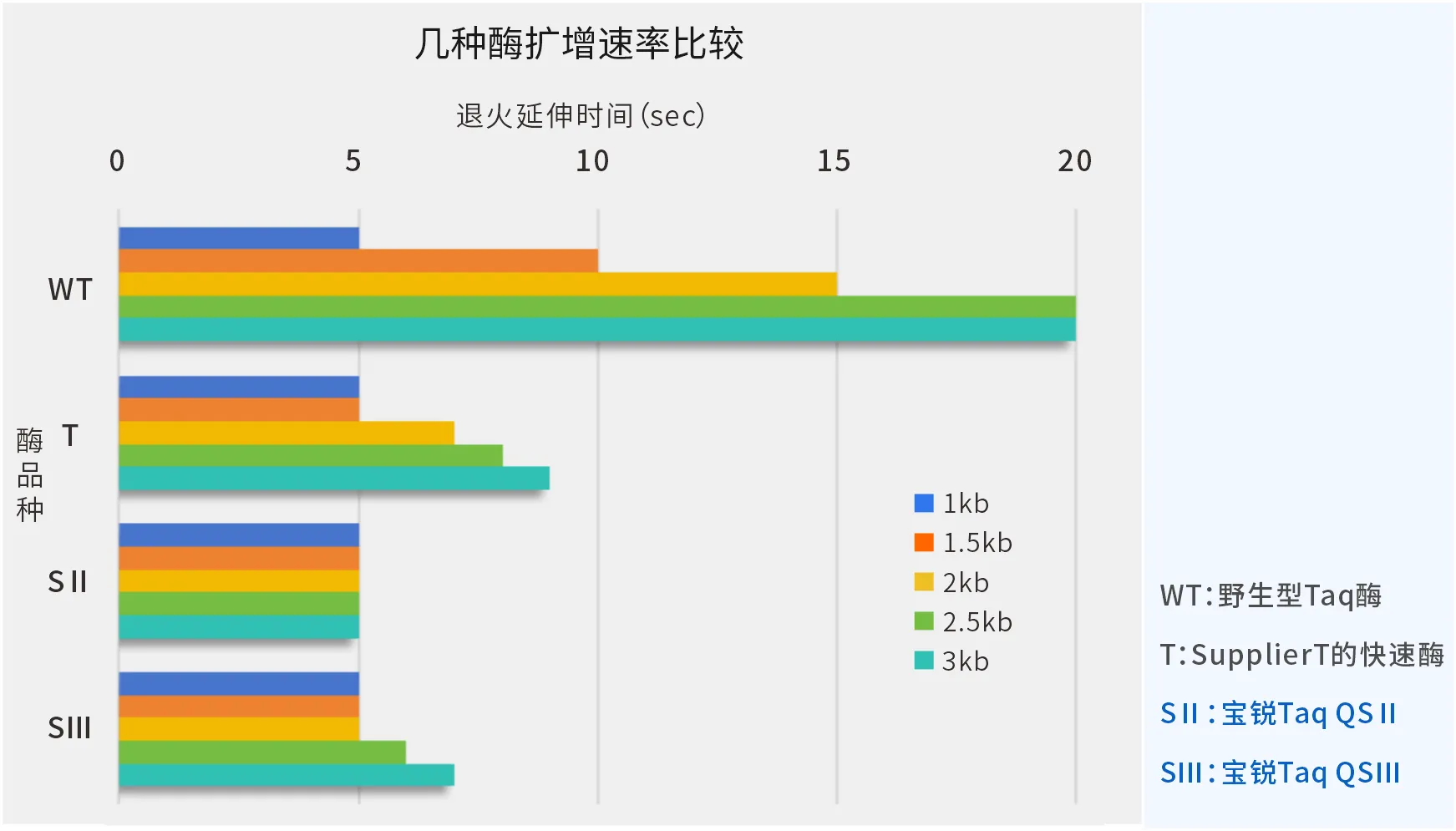
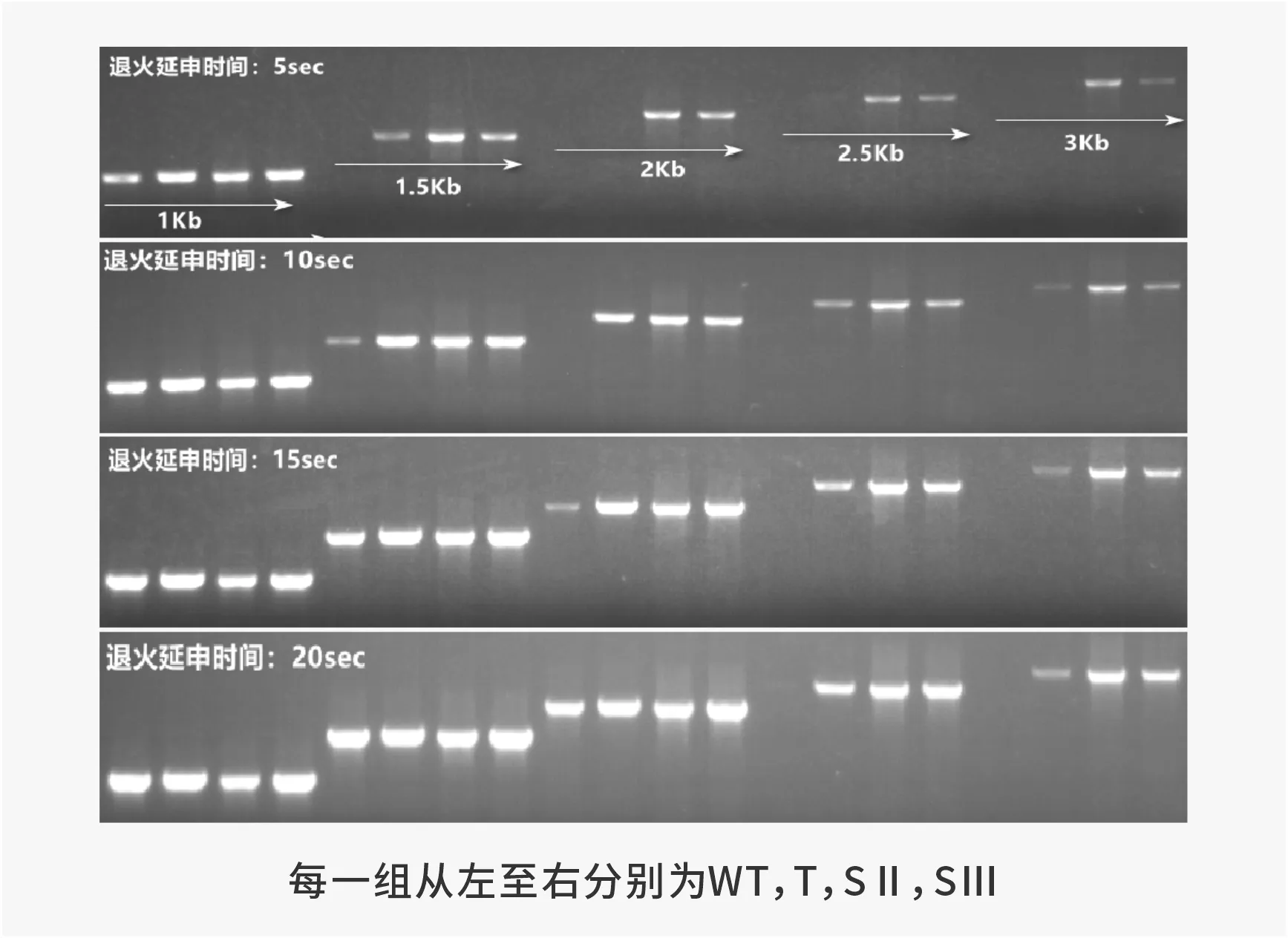
In fields such as genomic mapping, sequencing, and molecular genetics research, researchers often need to amplify extremely long DNA fragments. Due to its own characteristics, ordinary Taq enzymes find it difficult to complete this arduous task, while ultra-long fragment amplification Taq enzymes are specifically designed for this purpose. The ready-to-use 2× high-fidelity PCR premix has a fidelity approximately 96 times that of Taq enzyme. Unique extension factors and specific promoting factors were added to the reagent, which significantly enhanced its long-fragment amplification ability, amplification specificity and amplification yield.
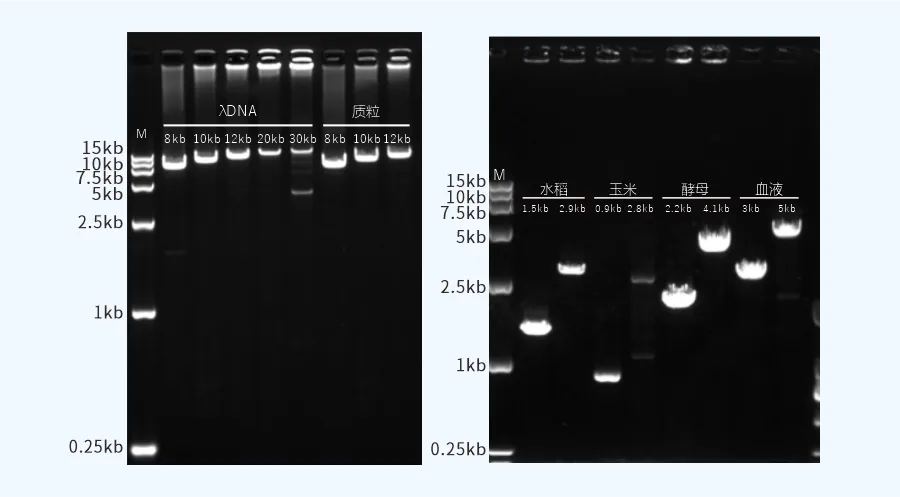
Simple templates such as λDNA and plasmids can effectively amplify fragments up to 30kb. Using complex templates such as genomic DNA, fragments up to 20 kb in length can be amplified. In addition, it has good resistance to PCR inhibitors and can be used for direct PCR of bacteria, fungi, plant tissues, whole blood samples or crude nucleic acids.
This product is also available in a version containing electrophoresis indicators, allowing for direct spotting and electrophoresis after the PCR reaction is completed. Experiments such as gene cluster cloning and ultra-long fragment assembly can be easily carried out.
References
Academic Treasure Land
1. Saiki RK, Gelfand DH, Stoffel S, et al. Primer-directed enzymatic amplification of DNA with a thermostable DNA polymerase. Science. 1988;239(4839):487-491.
2. Lawyer FC, Stoffel S, Saiki RK, Myambo K, Drummond R, Gelfand DH. Isolation, characterization, and expression in Escherichia coli of the DNA polymerase gene from Thermus aquaticus. J Biol Chem. 1989;264(11):6427-6437.
3. Kim Y, Eom SH, Wang J, Lee DS, Suh SW, Steitz TA. Crystal structure of Thermus aquaticus DNA polymerase. Nature. 1995;376(6541):612-616.
4. Lundberg KS, Shoemaker DD, Adams MW, Short JM, Sorge JA, Mathur EJ. High-fidelity amplification using a thermostable DNA polymerase isolated from Pyrococcus furiosus. Gene. 1991;108(1):1-6.
Biori丨Consult on the product code
0756-8699969
Address: No. 88, Shuian 1st Road, Xiangzhou District, Zhuhai City, Guangdong Province
Email: marketing@biori.com
Wechat official account |
Product consultation |
Video Account |