I. Definition of Pharmaceutical Warehousing and Logistics Management
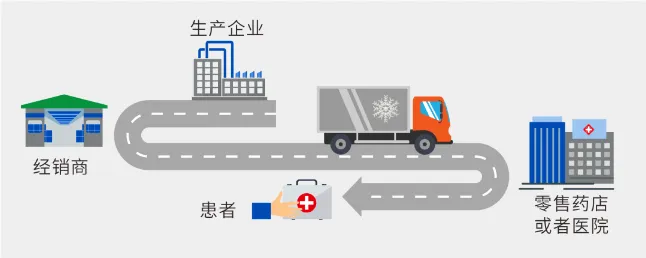
Pharmaceutical warehousing and logistics management is one of the warehousing and logistics management models, with the main management objects being pharmaceutical products. Pharmaceutical warehousing and logistics management relies on logistics equipment, technology and logistics management information systems to effectively integrate resources from the upstream and downstream of the pharmaceutical product industry chain. By optimizing the distribution and transportation process of pharmaceutical products, it enhances the efficiency of pharmaceutical warehousing and logistics management, reduces human error rates, shortens logistics timeliness and lowers logistics costs, and improves service levels. Realize the modernized, informatized and automated management process of pharmaceutical warehousing and logistics.
Ii. Characteristics of Pharmaceutical Warehousing and Logistics Management
1. Complexity
Pharmaceutical warehousing and logistics have strict requirements for storage and logistics environments and must strictly comply with GSP standards. In the actual warehousing and logistics process, pharmaceutical products are classified and stored based on their status, usage, and properties. The temperature and humidity conditions in the storage are strictly controlled to prevent the drugs from getting moldy, infested by insects or other contaminants during the storage process. Determine the stacking methods and distances based on the types of pharmaceutical products to minimize the contamination of drugs due to mixed storage.
2. Timeliness and safety
Unlike other commodities, pharmaceutical products have extremely high requirements for timeliness. If the drugs do not meet the in-transit time requirements, the reasons for the extended time should be identified and reported to the quality supervision department in a timely manner.
In addition, pharmaceutical products have extremely high safety requirements for the warehousing and logistics process. During the transportation, handling, and storage of drugs, it is essential to ensure the safety of drug transportation throughout the entire logistics process and prevent pharmaceutical products from being contaminated or deteriorated during the logistics transportation.
3. Professionalism
Compared with the logistics management of other products, the management of pharmaceutical warehousing and logistics requires more professional managers. They not only need to have professional knowledge related to logistics management and supply chain management, but also need to possess basic medical and pharmaceutical knowledge, so as to complete the management of pharmaceutical warehousing and logistics more efficiently, with high quality and high safety. Cultivating compound talents who are proficient in both medical theory and logistics practice is an urgent problem to be solved in the management of medical warehousing and logistics.
4. It requires the coordinated cooperation of the upstream and downstream of the supply chain
In the supply chain of pharmaceutical product warehousing and logistics, it is necessary to enhance the coordination and cooperation of upstream and downstream management, shorten the delivery period of pharmaceutical product logistics, reduce logistics management costs, improve the quality of logistics management services, and ensure the safety of pharmaceutical products. This requires the mutual cooperation of various physical units of pharmaceutical products, such as producers, suppliers, distributors and retailers, to optimize the management process in all links of pharmaceutical product warehousing and logistics management, gradually achieve the interconnection of all links in the pharmaceutical warehousing and logistics management supply chain, improve the overall efficiency of the supply chain, and promote the stable development of pharmaceutical product warehousing and logistics.
Iii. Problems in Management and Optimization Strategies
Traditional logistics management mostly relies on manual operations during loading and unloading as well as warehousing. Cold chain equipment is lacking during transportation, making it difficult to ensure safety. This also indirectly increases the cost of warehousing and logistics management for pharmaceutical products, and the level of informatization and automation is low. In accordance with the standards and requirements of GSP, modern pharmaceutical product warehousing and logistics need to fully implement information management. Relying on an efficient logistics information platform, information technology should be used to reduce the impact of uncontrollable human factors on the safety and quality of pharmaceutical products, thereby enhancing the response capability to crisis events. Therefore, traditional pharmaceutical warehousing and logistics management needs to actively build automated warehousing infrastructure, replacing manual loading and unloading of goods in traditional logistics management with modern and automated cargo handling equipment, real-time temperature-controlled warehousing environments and other automated logistics equipment. Cold chain transportation should be used in the transportation process of pharmaceutical products to enhance the protection of pharmaceutical products. Ensure the safety of pharmaceutical products during transportation and storage, simplify the warehousing business process, and reduce the cost of pharmaceutical warehousing.
Strengthen the cultivation of professional talents and the construction of policies and regulations. With the continuous development of modern technology, the integration of pharmaceutical product logistics and e-commerce has become increasingly close. Traditional pharmaceutical product warehousing and logistics management talents can no longer adapt to the current pharmaceutical logistics management system. There is a need for compound talents who possess both pharmaceutical professional knowledge and logistics service management skills. Pharmaceutical warehousing and logistics management plays a significant role in the circulation process of pharmaceutical products. Besides financial support, government policy support and guidance are also needed in pharmaceutical warehousing and logistics management. There is still room for improvement and refinement in the current legal norms and standards related to the pharmaceutical industry in our country. Only when relevant policies and regulations are in line with the particularity of medical warehousing and logistics management can the development of medical warehousing and logistics be promoted and protected.
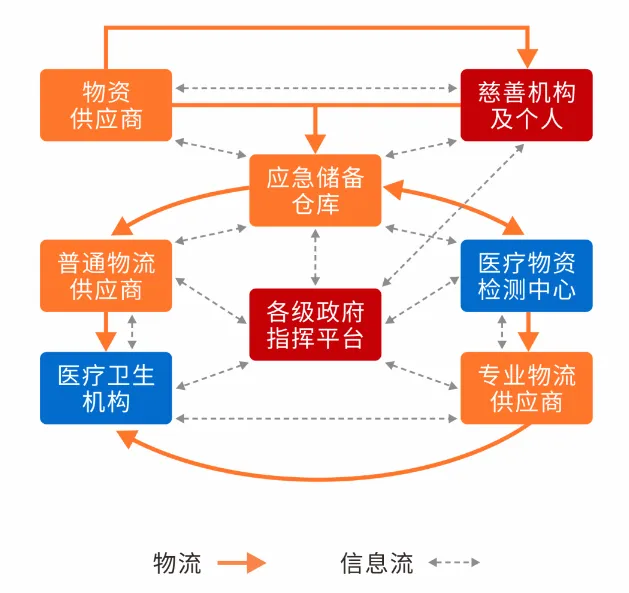
Improve communication channels with the government. Under normal circumstances, personnel in the warehousing and logistics of pharmaceutical products can manage step by step according to the pre-established rule framework. However, in the event of a social emergency, only the government has the ability to handle such emergencies. Under unconventional circumstances, the warehousing and logistics of pharmaceutical products are more likely to follow the government's allocation and arrangement. However, if the communication mechanism between pharmaceutical warehousing enterprises and the government is not sound, information asymmetry is likely to occur, thereby reducing transportation efficiency and being unfavorable for the resolution of emergencies. Therefore, in order to facilitate better information exchange, it is necessary for the government and enterprises to have proactive interaction. Enterprises should proactively establish an unconventional communication mechanism with government departments, understand and grasp their policy trends, enhance the accuracy and credibility of research and suggestions, build a unified emergency information service platform, promote mutual trust and communication between the government and enterprises in emergency situations, and help solve other problems that the government or enterprises alone cannot handle.
Summary
Opportunities and challenges coexist in the warehousing and logistics management system of China's pharmaceutical products. How to rapidly enhance the quality of logistics services and increase the rate of drug transfer, as well as how to better apply modern information technology in the logistics management process, are all urgent challenges that need to be addressed at present. As a crucial link in the pharmaceutical industry chain, the warehousing and logistics of pharmaceutical products should first rely on a complete logistics management system, fully utilize modern logistics infrastructure, integrate upstream and downstream resources in the logistics process, and ensure the safety and timeliness of drugs. At the same time, actively introduce advanced equipment to achieve the automation of warehouse management and reduce labor costs. Finally, in combination with government policies and by giving full play to the role of talents, improve the management level of pharmaceutical warehousing and logistics and promote the further development of pharmaceutical logistics.
0756-8699969
Address: No. 88, Shuian 1st Road, Xiangzhou District, Zhuhai City, Guangdong Province
Email: marketing@biori.com
Wechat official account |
Product consultation |
Video Account |