beforesaid
Freeze-drying, also known as vacuum freeze-drying or simply freeze-drying, is a technique that involves pre-cooling materials with a high moisture content to freeze them into solids below freezing point, and then directly sublimating the ice under vacuum conditions to remove moisture and obtain dry products. Because sublimation is used to remove moisture, it is also called sublimation drying.
Conventional in vitro diagnostic test reagents contain bioactive components (various enzymes and protein additives, etc.). To ensure that the performance of the reagents does not decline during transportation, it is usually necessary to strictly control the transportation conditions. Generally, dry ice is used for transportation to keep the products in a low-temperature environment. The emergence of freeze-dried samples has solved this problem. Compared with traditional nucleic acid testing reagents, freeze-dried samples have the advantages of being stored and transported at room temperature and having no impact on performance after rehydration.
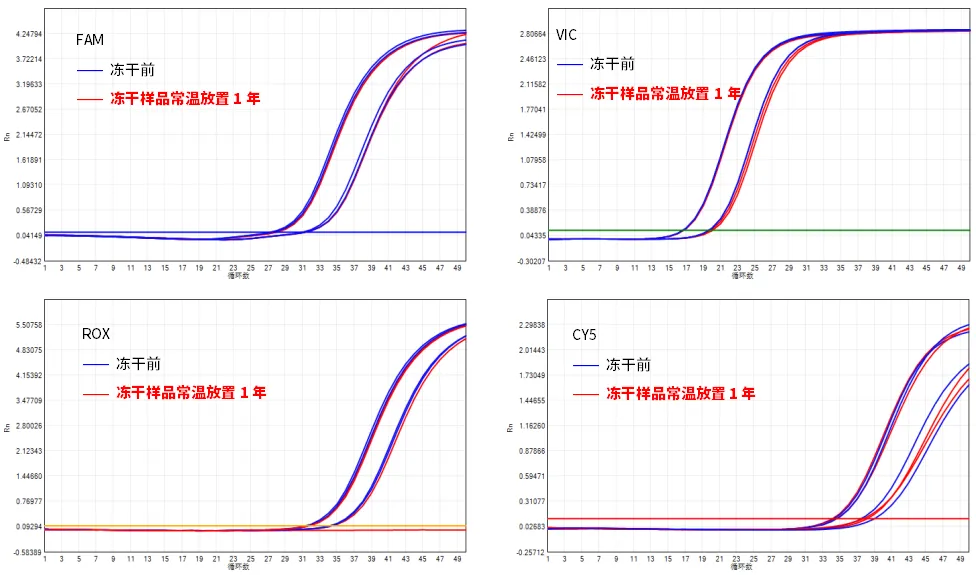
To solve the problem of reagent storage and transportation, Baorui Biotechnology has launched a detection reagent that can be freeze-dried in full components :5×Fast Direct RT Premix-UNG IV (Probe qRT-PCR) (DG) (Item No. FMD5084-4、5×Neoscript RT Premix-UNG (Probe qRT-PCR) (DG) (Item No. FM5134) The freeze-dried samples can maintain stable morphology and amplification performance after being placed at room temperature for one year. During detection, only the samples need to be added and the samples can be amplified on the machine.

FMD5084-4 features both rapid and direct amplification performance. It is a dedicated reagent that eliminates the need for nucleic acid extraction and purification of samples and enables direct fluorescence quantification (TaqMan probe method) RNA amplification detection of target genes. Its rapid DNA polymerase amplification rate is no less than 1 kb/10 s.
FM5134 features excellent system stability and applicability, making it highly suitable for the detection of complex RNA templates extracted from viruses and tissues. The amplification effect on the limit concentration template is more stable and it is suitable for use in high-sensitivity molecular diagnostic reagents.
The above freeze-dried products have stable morphology and amplification performance after being placed at room temperature for one year.

FMThe freeze-dried product of D5084-4 amplification reagent is available at room temperature for one year
Stability testing (quick procedure)
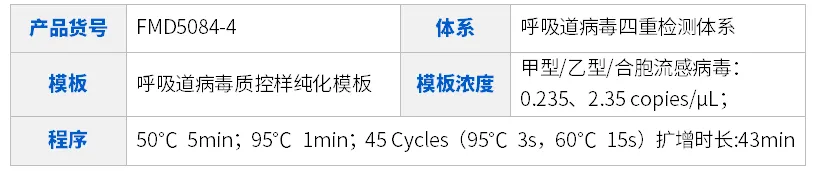
Note: The control group was prepared immediately with the same batch of liquid reagents as the freeze-dried reagents.
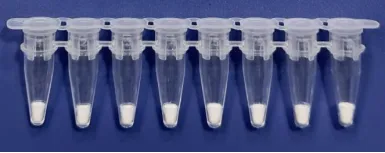
Pictures of samples placed at room temperature for one year
Amplification at room temperature for 1 year ▼
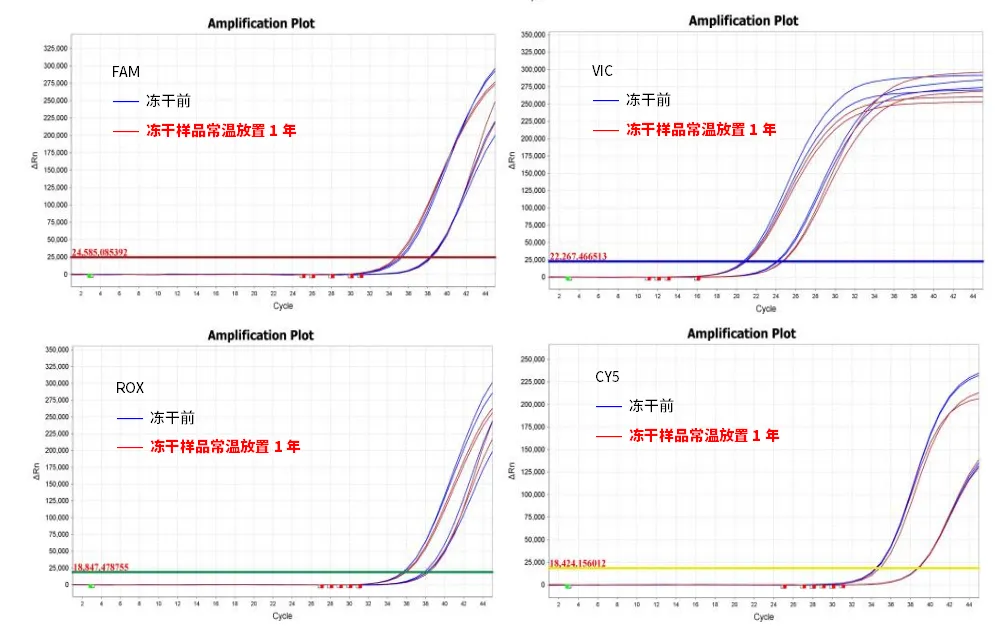

FMD5084-4 amplification reagent freeze-dried product can be stored at room temperature for one year
Stability testing (Novel coronavirus pseudovirus)
Experimental conditions

Note: The control group was prepared immediately with the same batch of liquid reagents as the freeze-dried reagents.
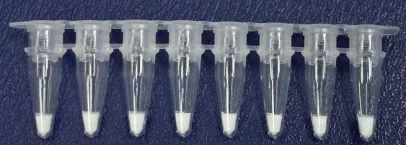
Pictures of samples placed at room temperature for one year
Amplification at room temperature for 1 year ▼
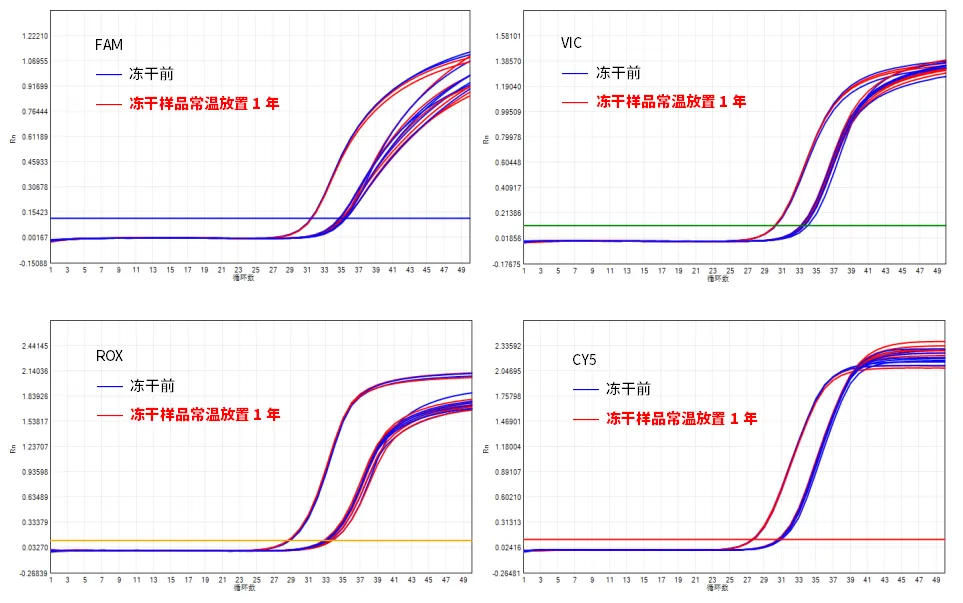
FThe freeze-dried product of M5134 amplification reagent can be stored at room temperature for one year
Stability testmeasuring
Experimental conditions

Note: The control group was prepared immediately with the same batch of liquid reagents as the freeze-dried reagents.
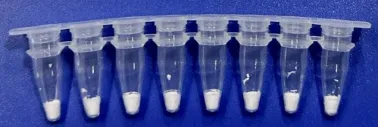
Pictures of samples placed at room temperature for one year
Amplification at room temperature for 1 year ▼