In the field of biopharmaceuticals, impurity proteins produced during the process of manufacturing recombinant proteins, antibodies, vaccines and other biopharmaceuticals using cultured host cells (such as bacteria, yeast, mammals, insects or plant cells) due to cell secretion, stress, lysis and purification processes are called host proteins. Residual host proteins in drugs may have immunogenicity, affecting the quality, safety and efficacy of the drugs. Therefore, when developing downstream purification processes, it is necessary to have a scientific and reasonable method for determining the concentration of host proteins in finished or semi-finished products.
Enzyme Linked Immunosorbent assay (ELISAAs a highly sensitive and easy-to-operate technical means, it has been widely applied in the detection of protein residues in E.coli host cells.

Enzyme-Linked Immunosorbent Assay (ELISA for short) is an immunological detection technique based on the specific reaction between antigens and antibodies, including double antibody sandwich method, indirect method, competitive method, etc. This method achieves highly sensitive detection of target molecules by combining enzymes with specific antibodies or antigens.
In the field of biopharmaceuticals, ELISA is often used to detect host cell proteins in cell culture supernatants, fermentation broth or purified samples to ensure the safety and purity of drug products.
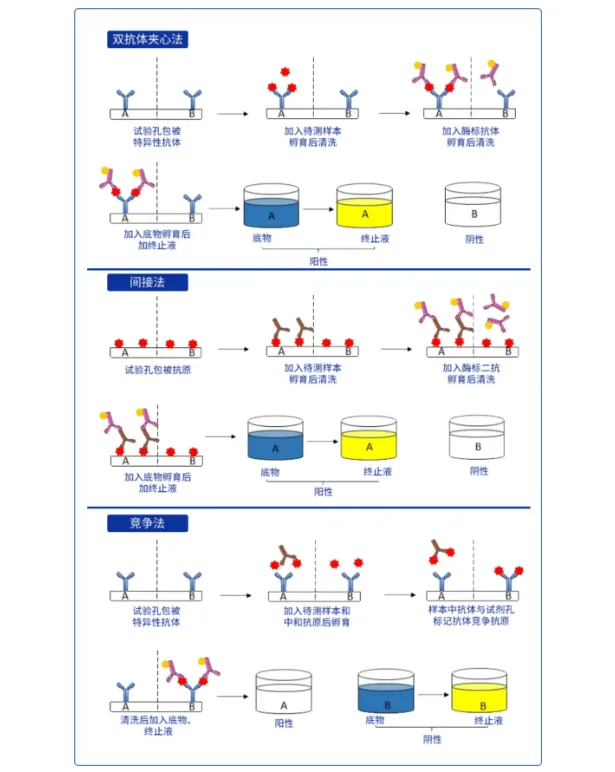
The principle of enzyme-linked immunosorbent assay

01
Immunogenicity
Host cell proteins are complex mixtures with various physiological, chemical and immunological properties, which may trigger Toll-Like receptor-mediated innate immune responses or be directly stimulated by cytokines produced by host cells to generate histamine and trigger inflammatory responses in the body. Therefore, almost all HCPS have clinical safety risks as foreign protein drugs。
02
Immune-like adjuvant function
It can be used as an adjuvant to enhance the immune response of the body to therapeutic proteins and produce antibodies "ADA", thereby directly affecting the biological distribution, pharmacokinetics and biological activity of the drug.
03
Affect the stability of the product
The potential protease or "excipient enzyme" activity of host cell proteins may lead to a decrease in product stability and changes in efficacy. And its biological activity may lead to changes in the efficacy of the drug.

United States Pharmacopeia
Chinese Pharmacopoeia

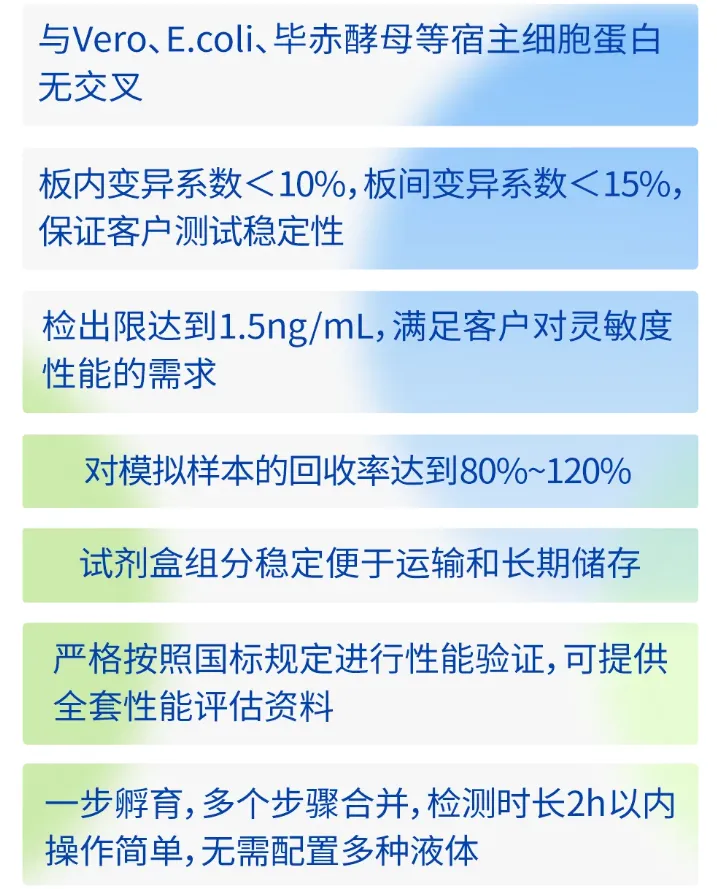
Enzyme-linked immunosorbent assay (ELISA), as a mature and reliable detection technique, plays a significant role in the detection of E.coli host cell proteins. By rationally designing experimental procedures and selecting specific antibodies, this method helps to improve the quality of biopharmaceutical products and ensure the safety of patients' medication. In the future, with the continuous development of biotechnology, enzyme-linked immunosorbent assay (ELISA) is expected to leverage its advantages in more fields and contribute to the cause of human health.

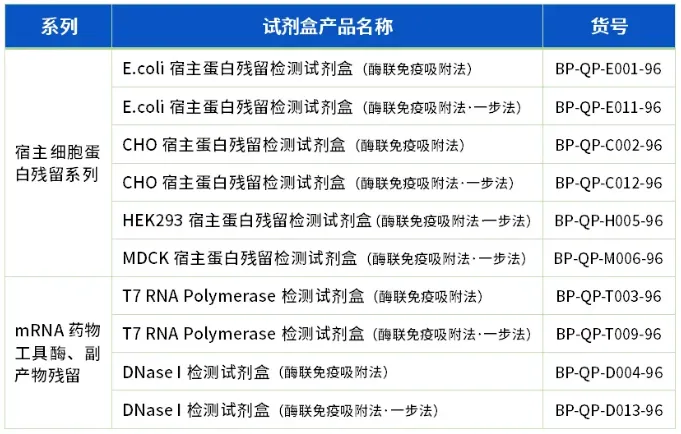
References
[1]. USP<1132>Residual Host Cell Protein Measurement in Biopharma-ceuticals
[2]. Chinese Pharmacopoeia (2020 Edition) : 9012 Guidelines for Validation of Quantitative Analytical Methods for Biological Samples
[3].GB/T 33411-2016 General Rules for Enzyme-Linked Immunosorbent Assay Kits
[4].YY/T 1183-2010 Enzyme-Linked Immunosorbent Assay Kit
END
0756-8699969
Address: No. 88, Shuian 1st Road, Nanping Science and Technology Park, Xiangzhou District, Zhuhai City, Guangdong Province
Email: marketing@biori.com
Wechat official account |
Product consultation |
Join us |
Video Account |